Military power has been on everyone’s minds recently, including mine. With wars in Europe, rising global tensions, and constant headlines about armed forces, it is clear that military capability still plays a major role in how countries project power and protect their interests.
After seeing a recent ranking published by Business Insider, which compared the world’s largest militaries by the number of active troops using data from the International Institute for Strategic Studies, it felt worth adding Ireland to the picture for context.
Because when you look at both troop numbers and defence budgets, the contrast is striking.
🇮🇪 Ireland, for context
Ireland’s Defence Forces consist of around 7,500 active full-time personnel, spread across the Army, Air Corps and Naval Service.

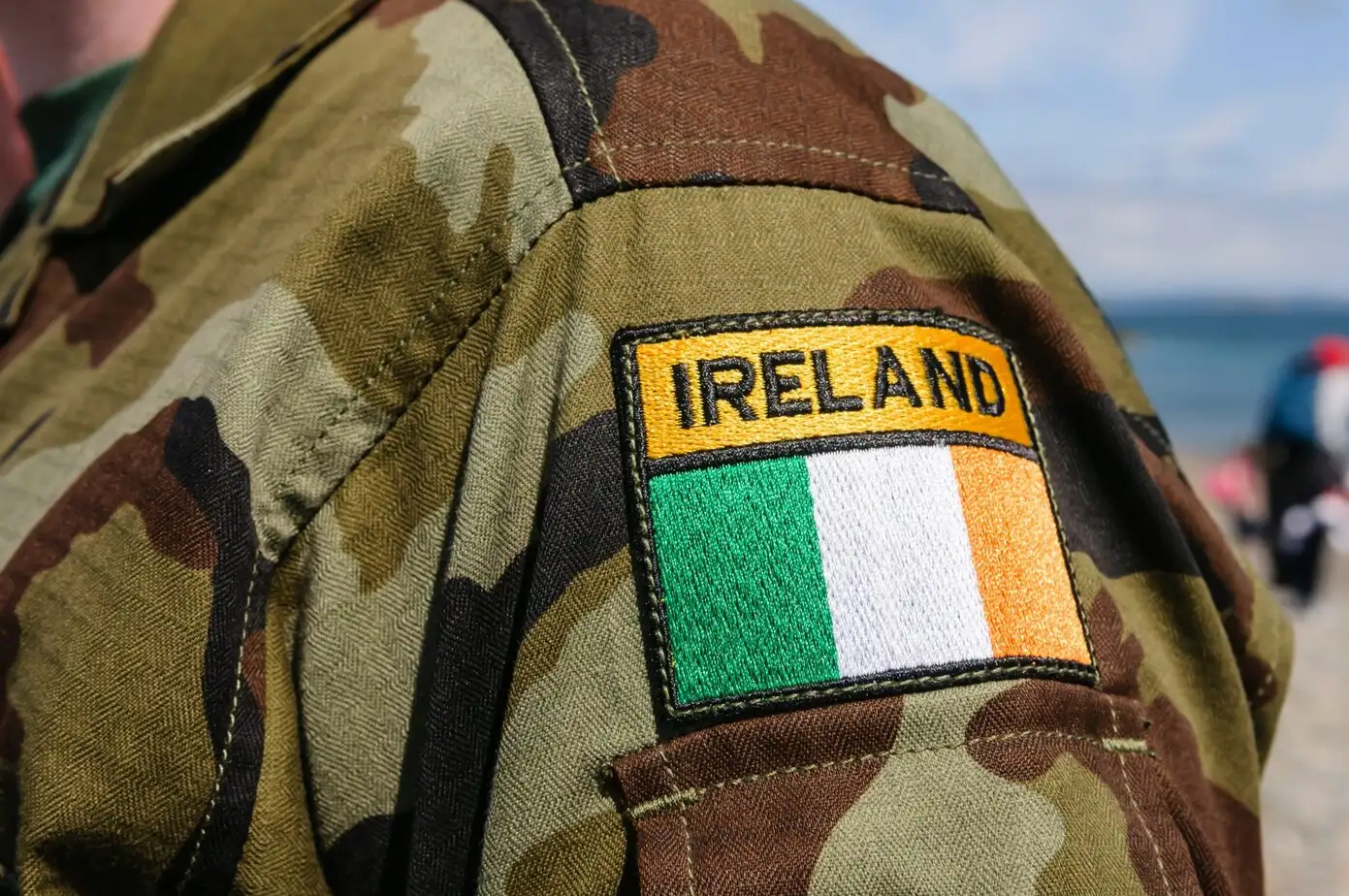
Ireland’s annual defence budget sits at roughly €1.3 to €1.5 billion.
By international standards, both the size and funding of Ireland’s military are extremely small. This reflects Ireland’s long standing policy of military neutrality and a focus on peacekeeping, maritime patrol, airspace monitoring, and civil support rather than large scale warfare or power projection.
With that context in mind, the global rankings below tell a very different story.
The World’s 10 Largest Militaries
Ranked by active personnel, with defence budgets for comparison
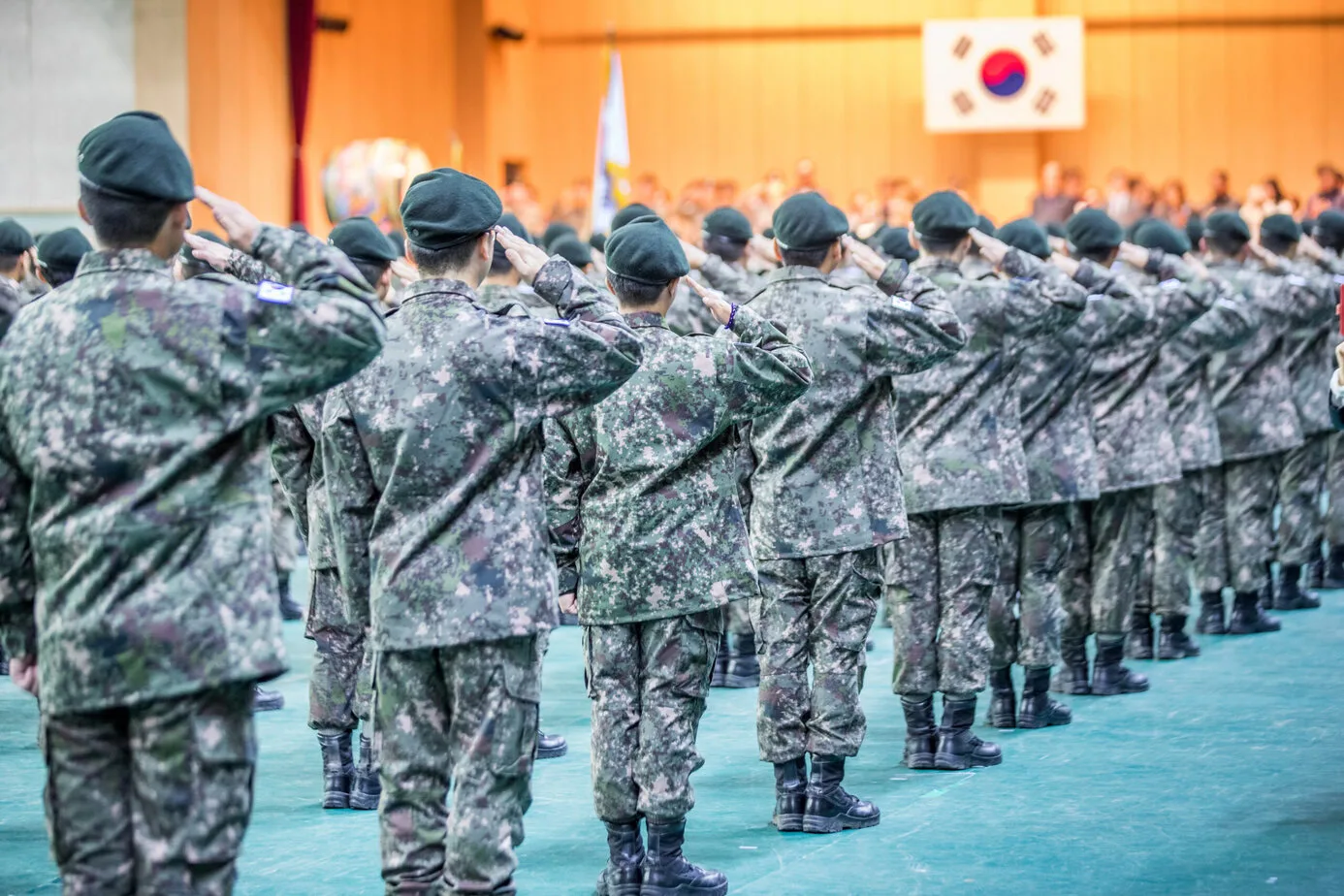
10. South Korea

-
Active troops: ~500,000
-
Defence budget: ~$43.9 billion
South Korea’s military is shaped by its security situation on the Korean Peninsula, with mandatory military service playing a major role.
9. Ethiopia
-
Active troops: ~503,000
-
Defence budget: ~$623 million
Despite limited spending, Ethiopia maintains one of the largest standing forces in Africa.
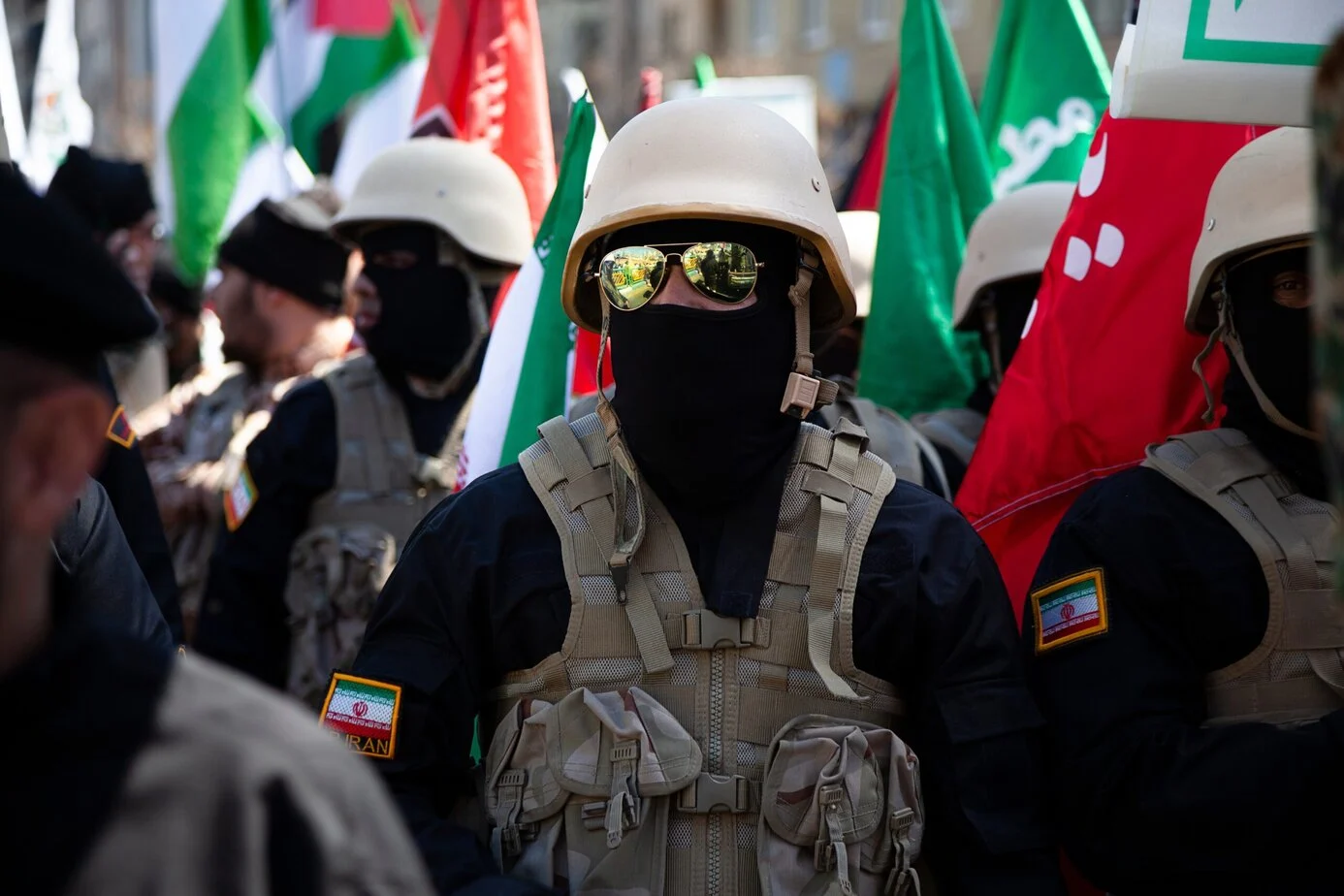
8. Iran

-
Active troops: ~610,000
-
Defence budget: ~$8 billion
Iran’s military focuses heavily on regional deterrence and internal security.
7. Pakistan
-
Active troops: ~660,000
-
Defence budget: ~$8.4 billion
Pakistan’s armed forces play a central role in national security and regional balance in South Asia.
6. Ukraine

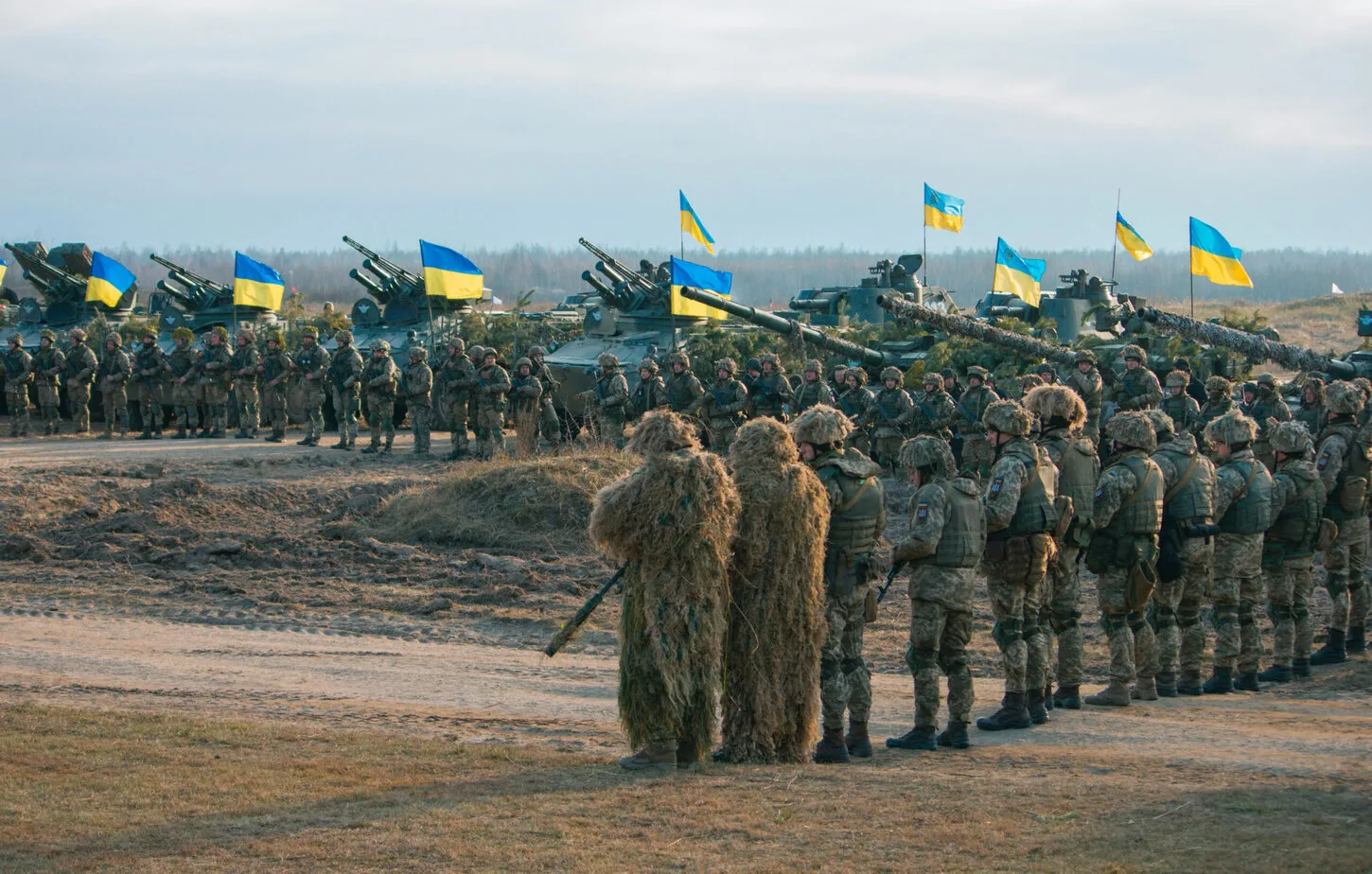
-
Active troops: ~730,000
-
Defence budget: ~$28.4 billion
Ukraine’s military has expanded rapidly due to full scale mobilisation following Russia’s invasion.
5. Russia
-
Active troops: ~1.13 million
-
Defence budget: ~$120.3 billion
Russia maintains one of the world’s largest standing militaries, backed by heavy state investment.
4. North Korea
-
Active troops: ~1.28 million
-
Defence budget: Not publicly reported
North Korea is one of the most militarised societies in the world relative to its population.
3. United States

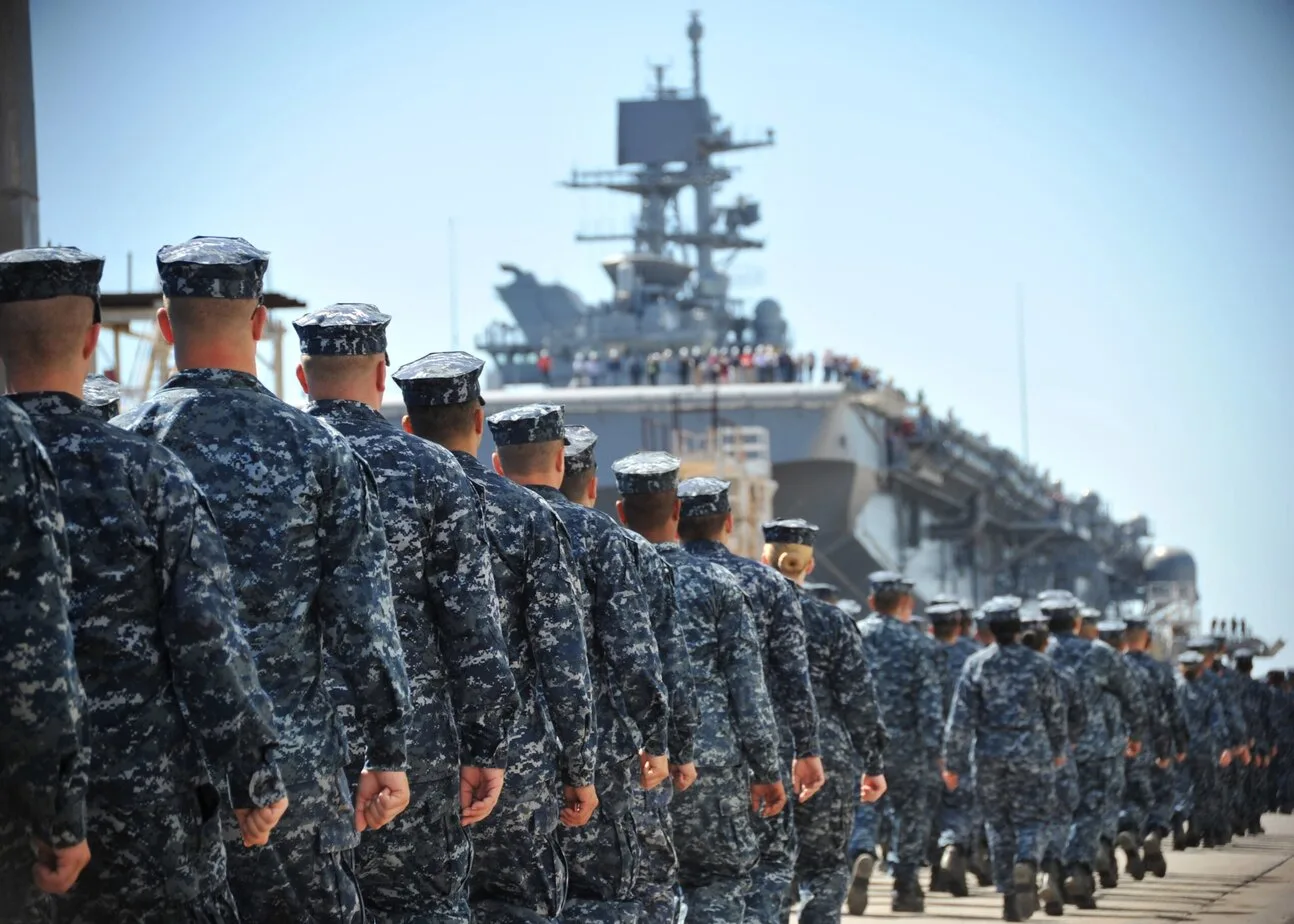
-
Active troops: ~1.32 million
-
Defence budget: ~$968 billion
The United States has by far the largest defence budget in the world, dwarfing all others.
2. India

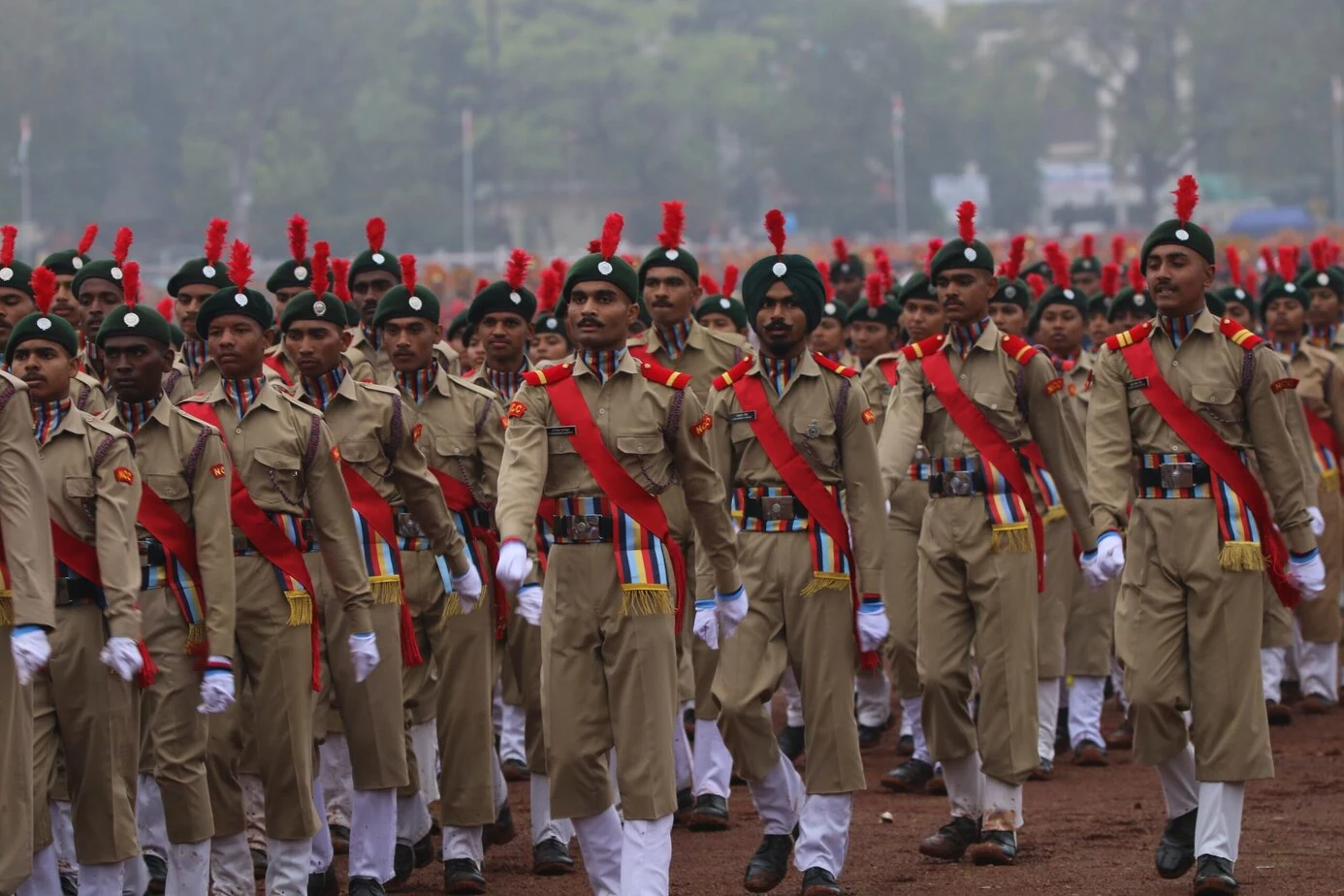
-
Active troops: ~1.48 million
-
Defence budget: ~$74.4 billion
India’s military reflects its population size and strategic position between major regional rivals.
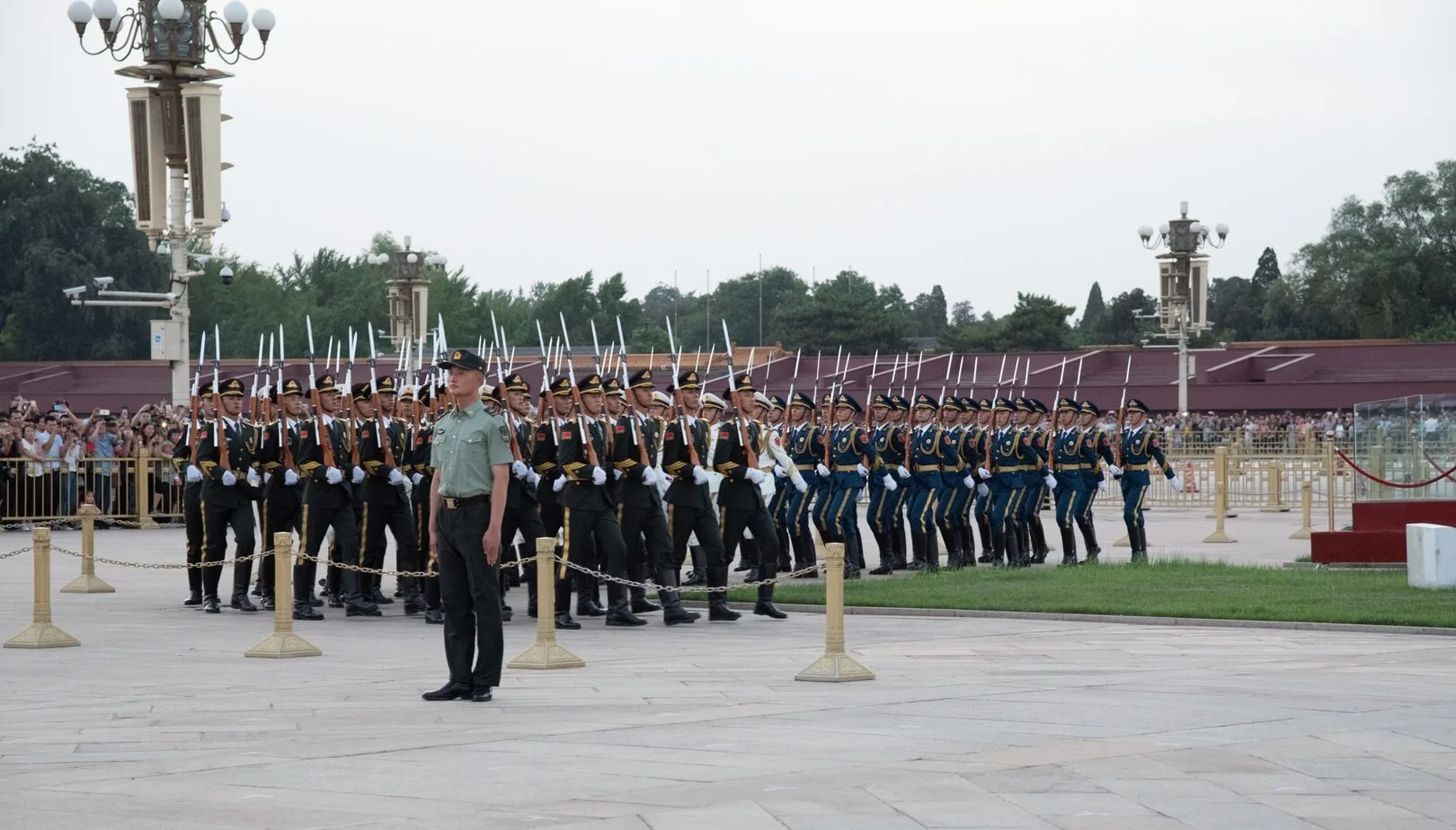
1. China
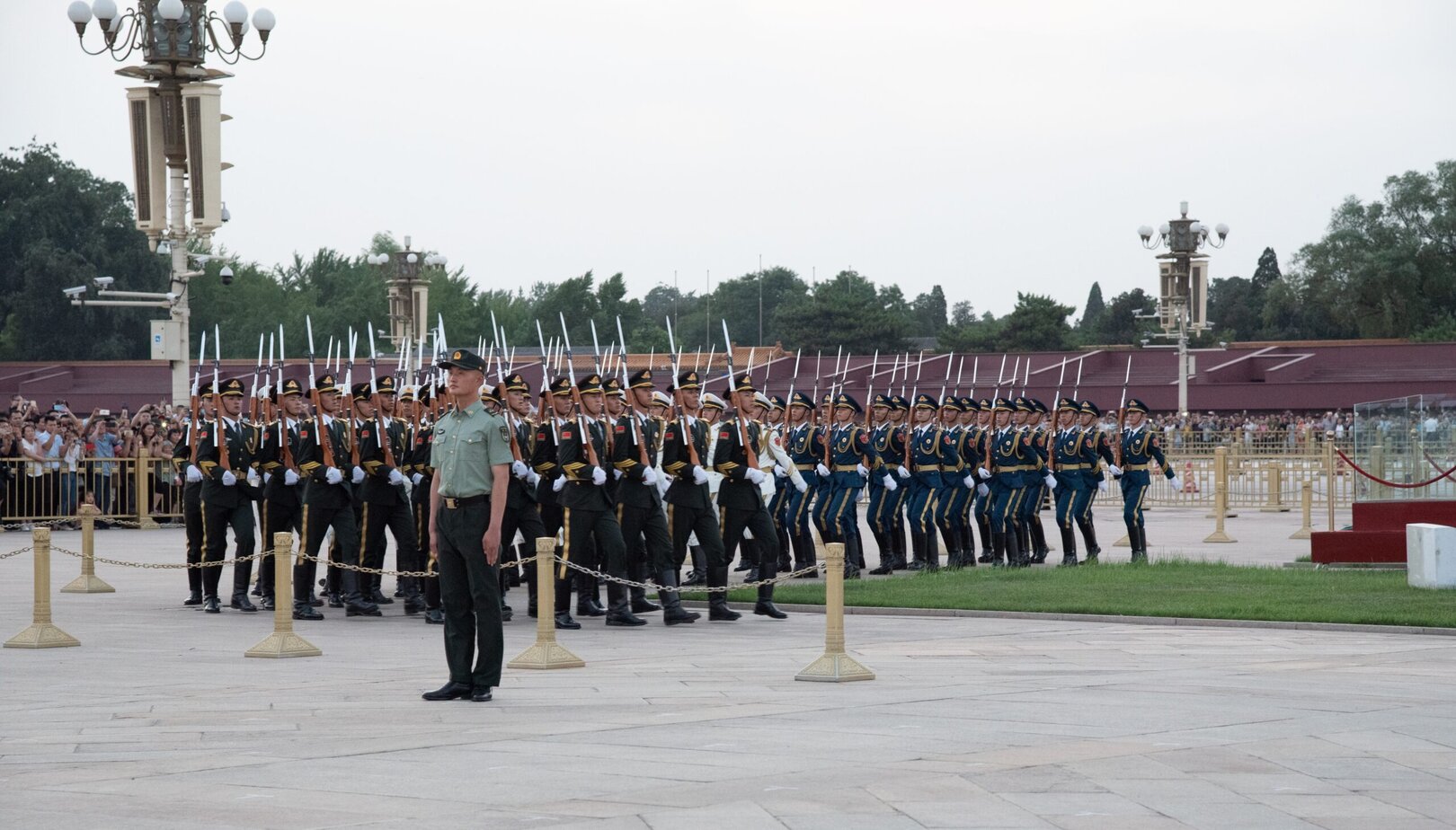
-
Active troops: ~2.03 million
-
Defence budget: ~$235 billion
China operates the world’s largest standing military force and continues to expand its capabilities.
When you look at these numbers, it does make you pause.
You are staring at countries with armies bigger than Ireland’s entire population in some counties. Millions of people trained, funded, and prepared for the possibility that force will be needed. That is the world most nations are planning for.
And then there’s Ireland.
Seven and a half thousand people. A small force doing patrols, peacekeeping missions, and support roles, not building towards war, not flexing muscle, not trying to scare anyone. It feels almost out of step with the rest of the world.
Maybe that is naive. Maybe it is risky. Or maybe it says something quietly important about how Ireland sees itself and the role it wants to play.
These rankings are not just about who has the biggest army. They show who expects conflict and who still hopes it can be avoided. Ireland sits firmly in the second camp, whether the world around it agrees or not.
And that contrast is impossible to ignore. Hope you enjoyed this post. If you found it interesting, be sure to share.
Thanks,
Stephen
A little bit of Ireland in your inbox every Friday ☘️
The free Weekly Dose of Irish: an Irish joke, a Celtic symbol, an Irish fact, a poem and the week’s best articles in one short email. Join 9,600+ readers.
Free. One short email every Friday. Unsubscribe any time.