Quick answer
- “The luck of the Irish” is an American phrase, not an Irish one.
- It most likely comes from the 19th-century gold and silver rushes, when several of the most successful miners were Irish or Irish-American.
- It was often meant sarcastically: they must have been lucky, because they couldn’t have been smart.
- Given famine, emigration and centuries of hardship, many Irish people see the phrase as ironic.
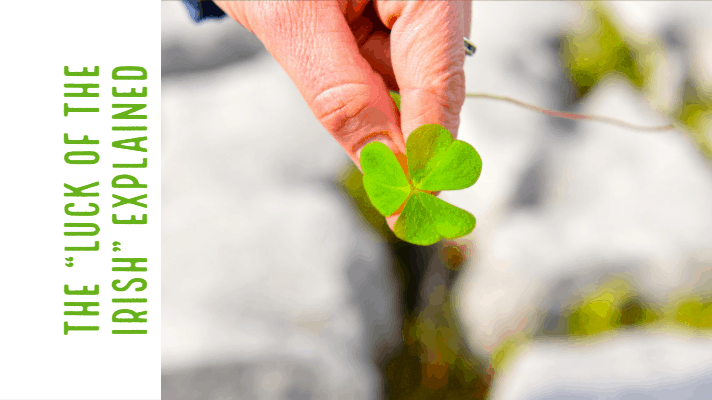
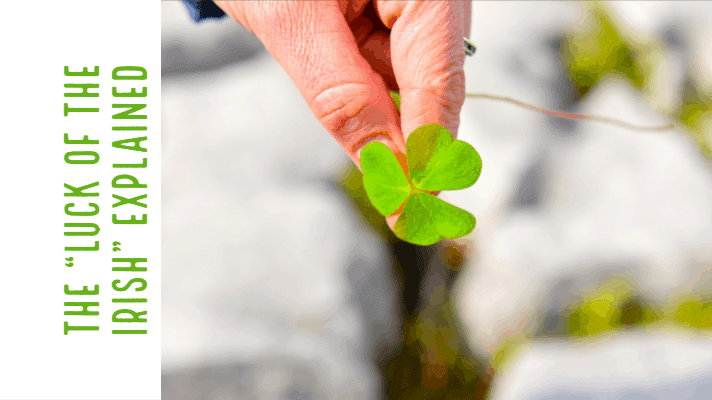
You’ll hear “the luck of the Irish” every St Patrick’s Day, usually next to a four-leaf clover and a cartoon leprechaun. But where does the phrase actually come from, and are the Irish really lucky? The answer is more interesting, and a bit more cutting, than the greeting cards suggest.
Where “the luck of the Irish” comes from

The phrase didn’t start in Ireland. According to the historian Edward T. O’Donnell, it took off in America during the gold and silver rushes of the second half of the 1800s. A number of the most famous and successful miners of that era were Irish or Irish-American, and people began to link the Irish with sudden mining fortunes.
But the expression wasn’t always a compliment. It carried a sneer: the Irish could only have struck it rich through blind luck, not brains or hard work. This was a time when Irish immigrants faced open prejudice in the US, from “No Irish Need Apply” attitudes to cartoons drawing them as drunken and ape-like.
The irony of Irish luck
Look at Irish history and “luck” is not the first word that comes to mind. The Great Famine of 1845 to 1852 killed about a million people and forced another million or more to emigrate. Centuries of conquest, the Penal Laws, and wave after wave of emigration followed, with families scattered from Boston to Brisbane, many never seeing each other again.
So when Irish people use the phrase today, there’s often a wink in it. Getting through all that, and building one of the largest diasporas in the world, took grit far more than luck. Then again, a people who survived it all and still throw the best party on 17 March might be entitled to call themselves lucky.
Four-leaf clovers and shamrocks
Catch them at the end of the rainbow
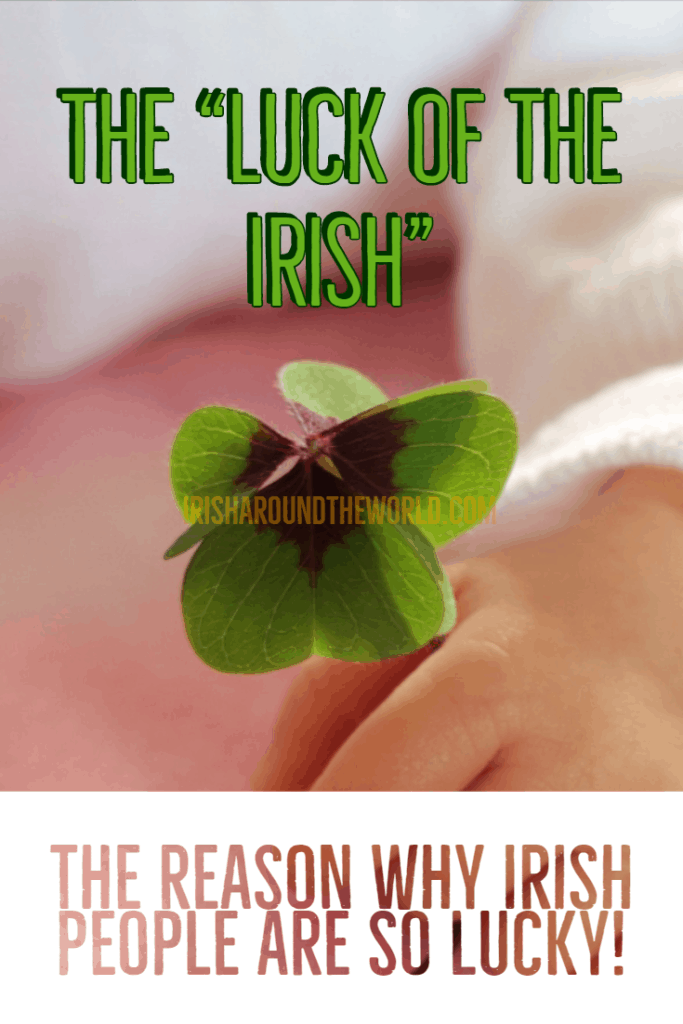
The four-leaf clover is the classic good-luck charm, and it’s genuinely rare: the odds of finding one are often put at around 1 in 10,000. Each leaf is said to stand for something, usually faith, hope, love and luck.
The shamrock is a different thing. It has three leaves, and Irish tradition says St Patrick used it to explain the Holy Trinity. That story is a legend: it was first written down in 1726, by the botanist Caleb Threlkeld, more than a thousand years after Patrick’s time. Either way, the Irish symbol is the three-leaved shamrock ☘️, not the four-leaf clover, which is lucky everywhere.
Leprechauns and the pot of gold
In Irish folklore, the leprechaun is a solitary fairy shoemaker with a hidden crock of gold. Catch one and keep your eyes on him, the stories say, and he might lead you to his treasure. Look away for a second and he’s gone. The jolly green leprechaun who grants wishes is mostly a 20th-century American invention, but the trickster of the old stories is far more Irish.
Irish luck and superstition
Irish people have plenty of their own ideas about luck, good and bad:
- Never bring a hawthorn blossom into the house, and never cut down a fairy tree.
- A bird flying into the house was said to warn of a death in the family.
- Spilling salt is bad luck, unless you throw a pinch over your left shoulder.
- If your nose is itchy, you’ll soon be in a fight (or kissing a fool).
- Finding a horseshoe is lucky, as long as you hang it points up so the luck doesn’t run out.
For more, see our guides to Friday the 13th and Irish superstitions and Irish mythological creatures.
So are the Irish lucky?
Maybe. A small island that went through famine and mass emigration and came out with a culture known in every corner of the world has done well. But most Irish people would tell you it was down to hard work, stubbornness and looking after each other, with a bit of luck thrown in.
How has the luck of the Irish worked for you? Tell us in the comments.
PIN ME
Love this? Save it to your Pinterest board for later.
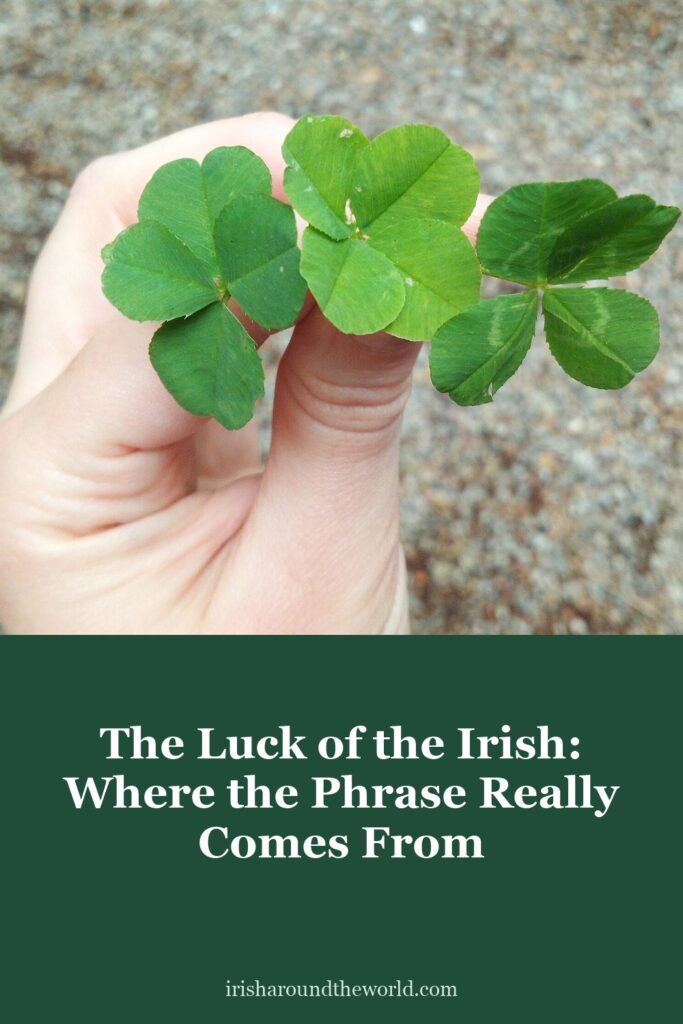
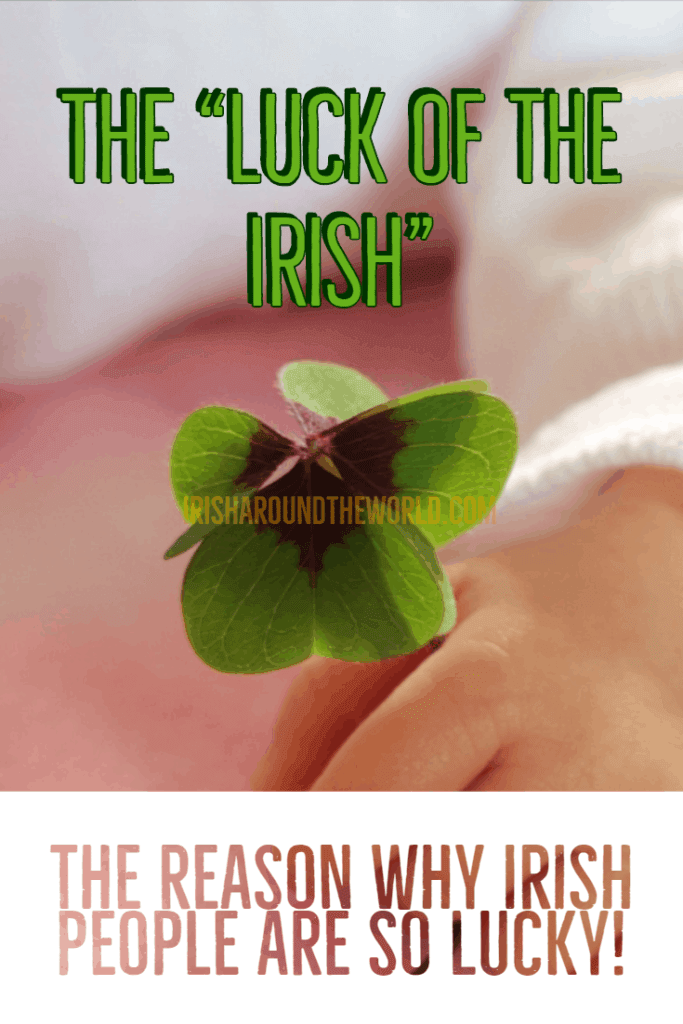
Pin photo: Three four-leaf clovers by SWT666, CC BY-SA 4.0, via Wikimedia Commons.
A little bit of Ireland in your inbox every Friday ☘️
The free Weekly Dose of Irish: an Irish joke, a Celtic symbol, an Irish fact, a poem and the week’s best articles in one short email. Join 9,600+ readers.
Free. One short email every Friday. Unsubscribe any time.
Mary Finnegan
Sunday 5th of May 2019
Thank you for your article on The Luck of The Irish. I must say, my Irish ancestors and parents etc never used a four leaf clover as anything Irish. The shamrock was the only symbol of that nature used and a religious one at that.