Skip to Content

The St Patrick Snakes Legend: Ireland Never Had Any. So Where Did the Story Come From?

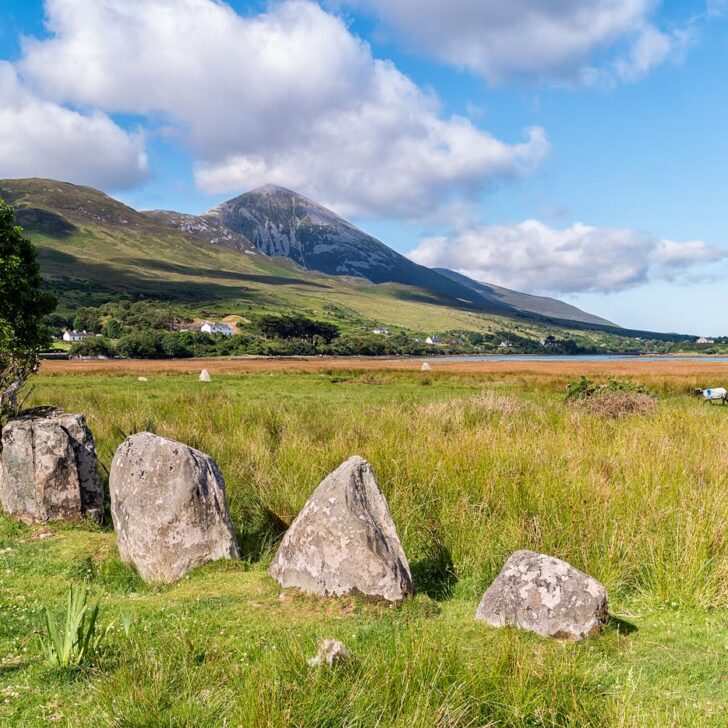
Ireland never had snakes for St Patrick to banish. Here’s why the island is snake-free, which ancient writers noticed it first, how a 12th-century monk gave Patrick the credit on Croagh Patrick, Mayo’s folklore of serpent lakes, what the snakes might symbolise, Ireland’s only native reptile, and why the legend became an American favourite.
Read More about The St Patrick Snakes Legend: Ireland Never Had Any. So Where Did the Story Come From?

Croagh Patrick: Ireland’s Holy Mountain, Where Pilgrims Still Climb Barefoot

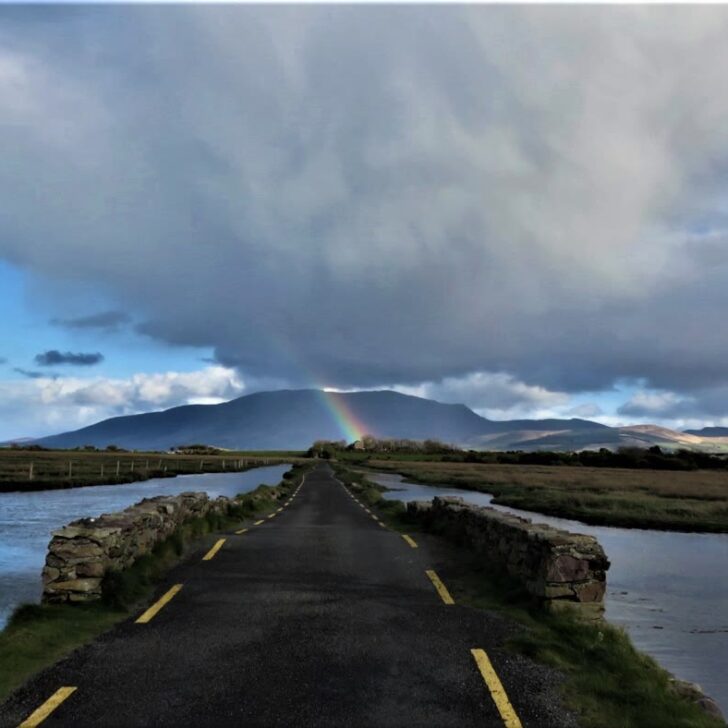
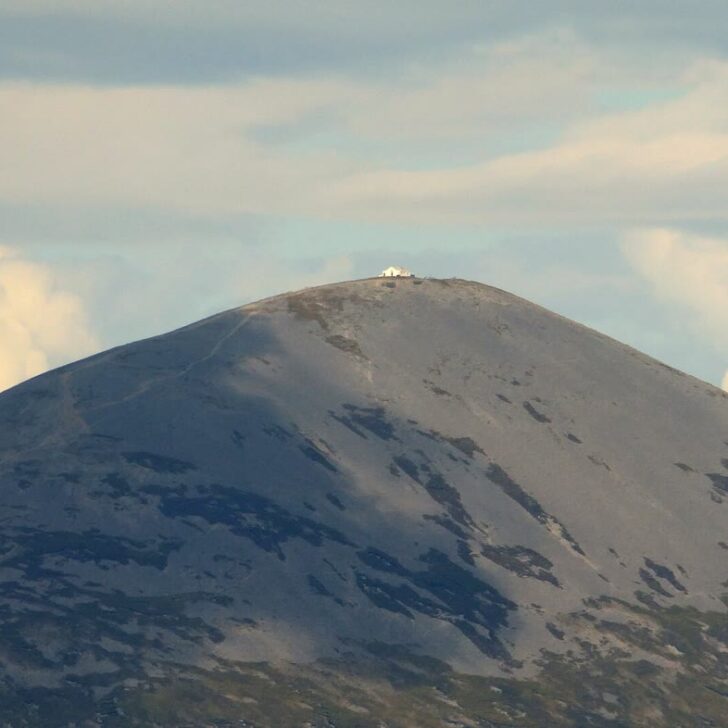
Croagh Patrick, the Reek, is Ireland’s holy mountain. Here’s St Patrick’s 40-day fast as Tírechán and the Tripartite Life tell it, where the snake legend really comes from, Reek Sunday from 1113 to today, the three stations and the Black Bell, the Lughnasa theory, what archaeologists found on the summit, the 1980s fight over gold, the Famine memorial at Murrisk and practical advice for the climb.

Read More about Croagh Patrick: Ireland’s Holy Mountain, Where Pilgrims Still Climb Barefoot

Clonmacnoise: The Monastic City on the Shannon Where High Kings Lie Buried

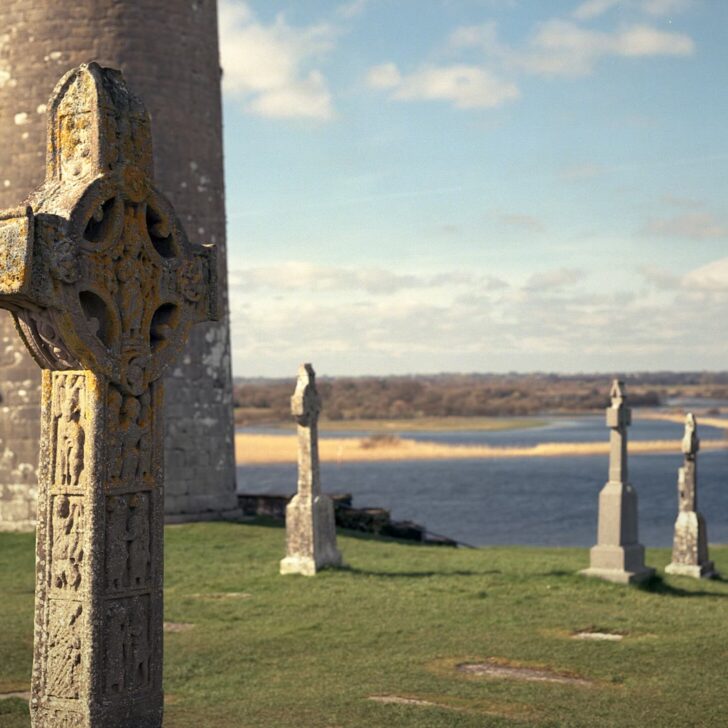
Clonmacnoise, Cluain Mhic Nóis in Irish, is St Ciarán’s monastic city on the River Shannon in Co. Offaly. Here’s its story, from the founding legend and the Book of the Dun Cow to the high crosses, the round towers, the Whispering Arch, the royal graves, the Viking and Irish raids, the wrecking of 1552 and the Pope’s 1979 visit, plus how to visit (the site closes from mid-October 2026 to 1 January 2027).

Read More about Clonmacnoise: The Monastic City on the Shannon Where High Kings Lie Buried

Glendalough: The Hermit Saint, a Blackbird and Ireland’s Valley of Two Lakes

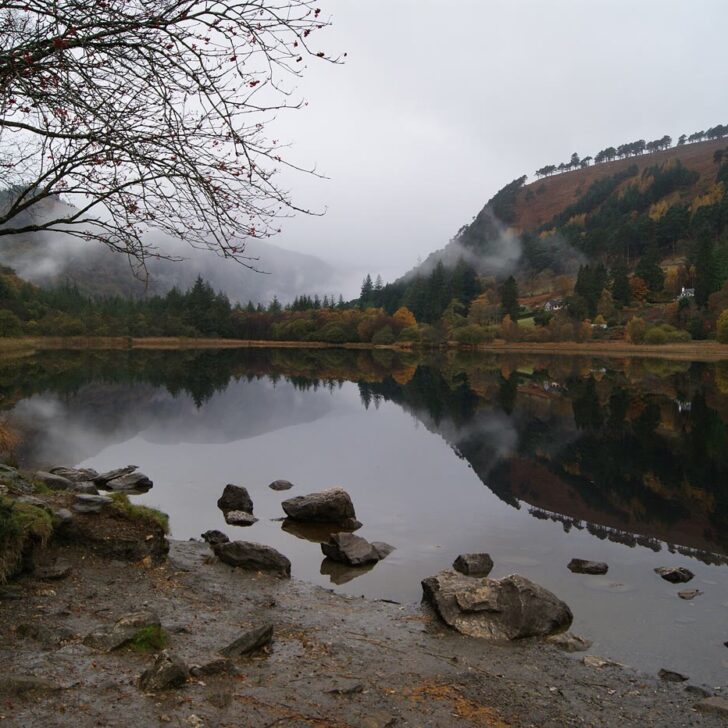
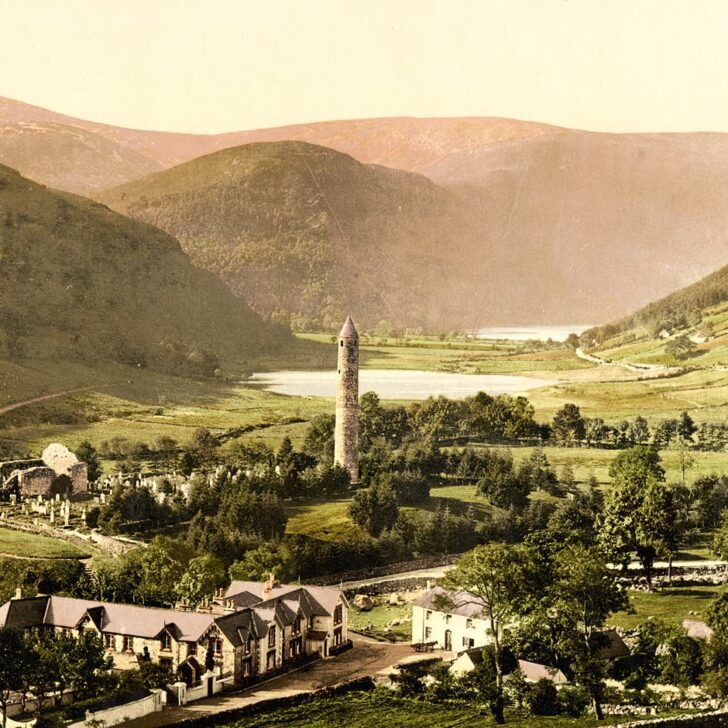
Glendalough, the glen of two lakes in Co. Wicklow, is where St Kevin lived as a hermit and founded one of Ireland’s great monasteries. Here are his legends (the blackbird, the angel who offered to flatten the mountains, Kathleen and the lake), the round tower and monastic city, the Viking raids, the 1214 merger with Dublin, the Spinc and Miners’ Village walks, and practical tips for visiting.

Read More about Glendalough: The Hermit Saint, a Blackbird and Ireland’s Valley of Two Lakes

Irish Round Towers: Bell Towers, Viking Hideouts or Fire Temples? The Real Story

Ireland’s round towers have been called fire temples, phallic symbols and Viking hideouts. Here’s what they really were: cloigtheach, the bell house, with how to say it, when and how they were built, why the door is so high, what the annals say, the 19th-century theories George Petrie demolished, the best towers to see (and two you can climb), and how the round tower became a symbol of Ireland.

Read More about Irish Round Towers: Bell Towers, Viking Hideouts or Fire Temples? The Real Story

The Molly Maguires: Irish Miners, a Pinkerton Spy and the Day of the Rope

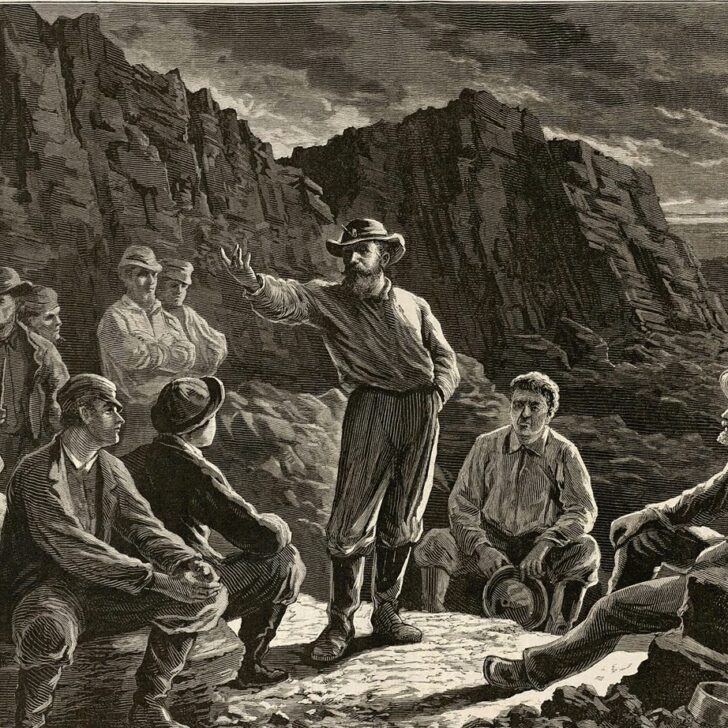
The Molly Maguires were Irish immigrant miners in Pennsylvania’s coalfields, blamed for 16 killings and hanged after trials run largely by company lawyers. Here’s the full story: the Irish origins of the name, life in the patch towns, the AOH link, Franklin Gowen, the Pinkerton spy James McParlan, Black Thursday and the 20 hangings, the Cell 17 handprint, Jack Kehoe’s 1979 pardon and what historians think now.

Read More about The Molly Maguires: Irish Miners, a Pinkerton Spy and the Day of the Rope

The Hill of Tara: Ireland’s Hill of Kings, a Roaring Stone and a Hunt for the Ark

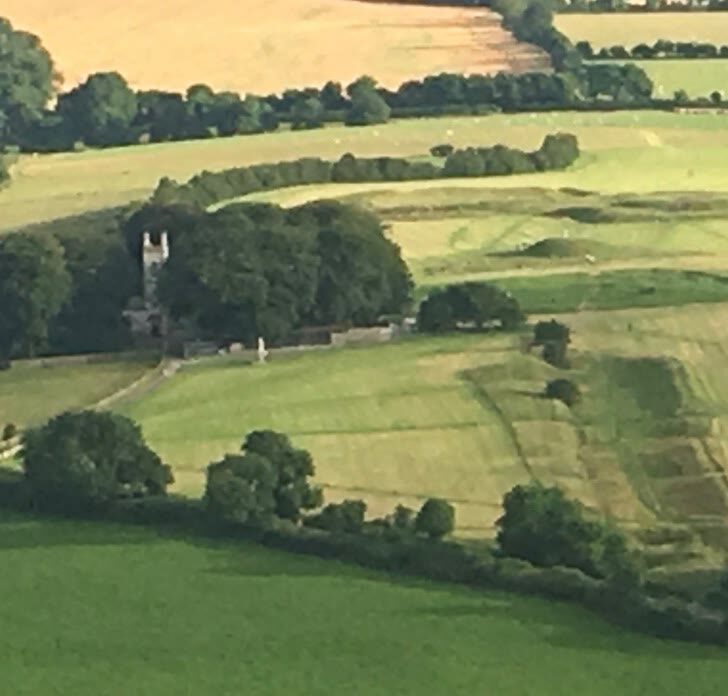
The Hill of Tara in Co. Meath is remembered as the seat of Ireland’s high kings. Here’s what’s really on the hill, from the 5,000-year-old Mound of the Hostages to the Lia Fáil, the stone said to roar under a true king, plus the Feast of Tara, St Patrick’s Easter fire, O’Connell’s 1843 monster meeting, the men who dug for the Ark of the Covenant, the M3 motorway row and how to visit for free.

Read More about The Hill of Tara: Ireland’s Hill of Kings, a Roaring Stone and a Hunt for the Ark

Newgrange: The Irish Tomb Older Than Stonehenge and the Pyramids

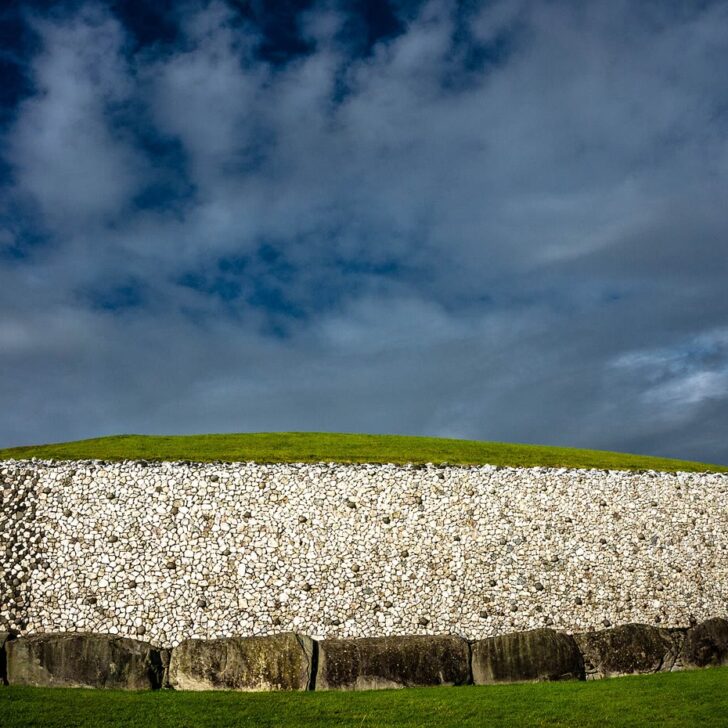
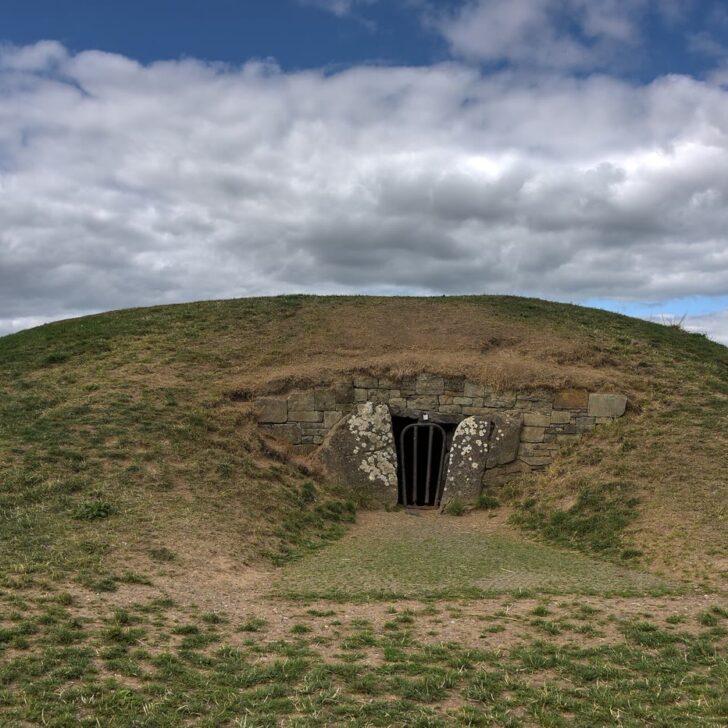
Newgrange was built around 3200 BC, centuries before the Great Pyramid and Stonehenge’s stone circle. Here’s the passage tomb inside and out: the triple spiral, the solstice roof-box and its 1967 rediscovery, the disputed quartz wall, Knowth and Dowth, the legends of the Dagda and Aengus Óg, and how to visit Brú na Bóinne.

Read More about Newgrange: The Irish Tomb Older Than Stonehenge and the Pyramids

Grosse Île: Canada’s Irish Famine Island, Where 5,424 Were Buried in 1847

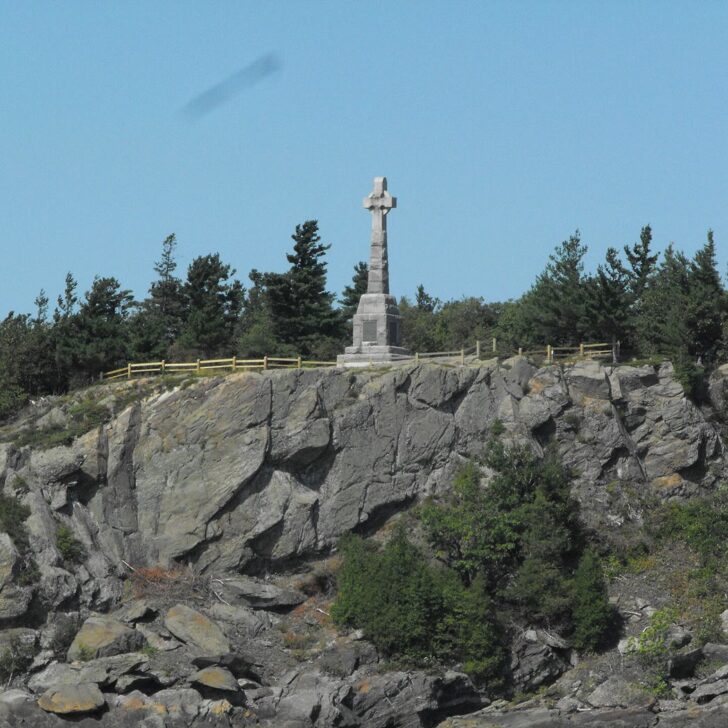
Grosse Île, a small island in the St Lawrence downriver from Quebec City, was the quarantine station for the port of Quebec from 1832 to 1937. In Black ’47, as Famine emigrants arrived sick with typhus, 5,424 people were buried there. Here’s the full story: the ships and the fever, how many really died, what the 1909 Celtic cross says in Irish, English and French, the truth about the orphans and their surnames, and how to visit or search for an ancestor.

Read More about Grosse Île: Canada’s Irish Famine Island, Where 5,424 Were Buried in 1847

The Book of Kells: How Ireland’s Greatest Treasure Was Made, Stolen and Saved

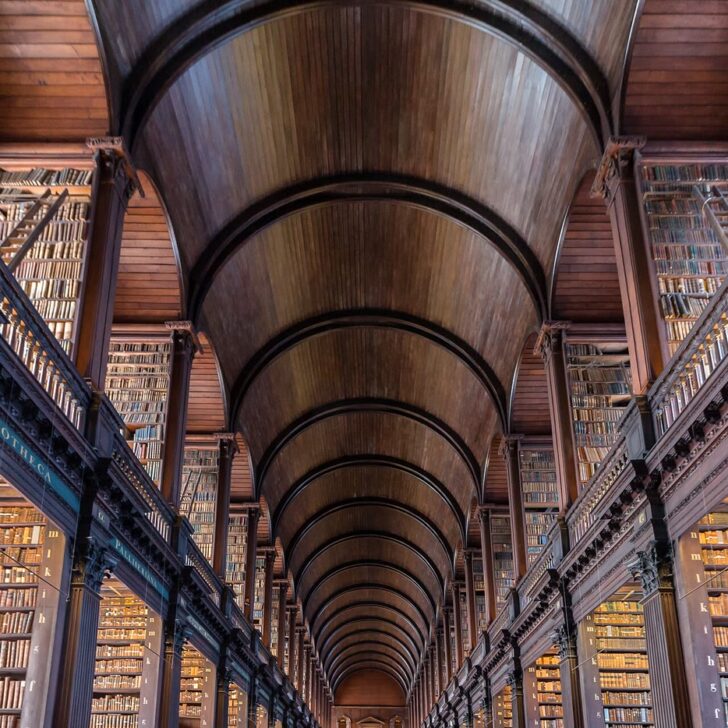
The Book of Kells is Ireland’s most famous treasure: a Latin Gospel book made around 800, probably by Colm Cille’s monks on Iona, at Kells or both. Here’s where it came from, who made it, the Chi Rho page, what its colours really are (lapis lazuli was probably never used), the 1007 theft and lost gold cover, how it reached Trinity College, and how to see it in Dublin or free online.

Read More about The Book of Kells: How Ireland’s Greatest Treasure Was Made, Stolen and Saved

Skellig Michael: The Impossible Island Monastery, From Monks to Star Wars

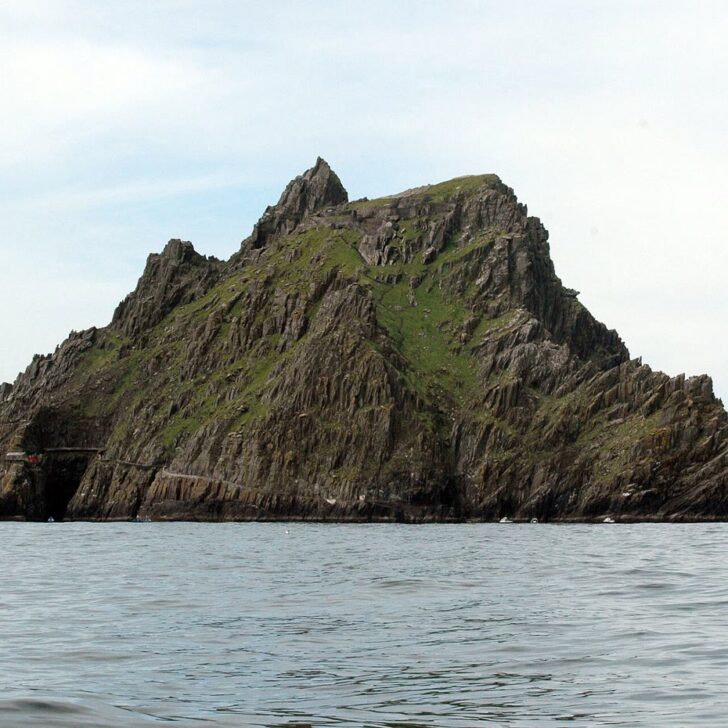
Skellig Michael, Sceilg Mhichíl in Irish, is the Atlantic rock off Co. Kerry where early medieval monks built beehive huts reached by 618 steps. Here’s its real history, from the founding legends and the Viking raids to the move to Ballinskelligs, plus the South Peak hermitage, the pilgrims, the puffins and gannets, the Star Wars filming and the row it caused, and how to visit.

Read More about Skellig Michael: The Impossible Island Monastery, From Monks to Star Wars

Brian Boru: The High King Who Died at Clontarf on the Day His Army Won

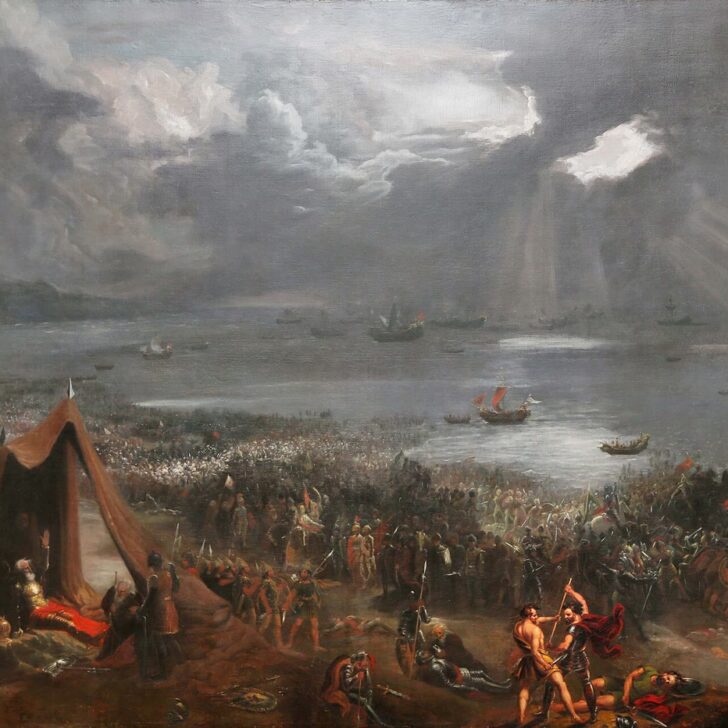
Brian Boru rose from the Dál gCais of east Clare to become king of Munster and, in 1002, high king of Ireland, hailed in the Book of Armagh as “emperor of the Irish”. Here’s how he rose, what happened at the Battle of Clontarf on Good Friday 1014, who really fought there (not simply Irish versus Vikings), the three versions of his death and the banshee’s warning, the O’Brien propaganda of Cogad Gáedel re Gallaib, the O’Brien surname, how to say Brian Bóramha, and the truth about the Brian Boru harp.

Read More about Brian Boru: The High King Who Died at Clontarf on the Day His Army Won

Irish Words With No English Translation: 20 Real Ones and the Viral Fakes

Twenty Irish words and phrases that English has no single word for, from aiteall (a bright break between showers) and meitheal to cumha, dúchas and the stray sod, each checked in Ó Dónaill’s dictionary with pronunciation and an example. Plus why Irish has no words for yes and no, and the viral “untranslatable Irish words” that are really Scottish Gaelic or garbled in the telling.

Read More about Irish Words With No English Translation: 20 Real Ones and the Viral Fakes

Niall of the Nine Hostages: The King Who Kissed a Hag, and the 3 Million DNA Claim

Niall of the Nine Hostages is the legendary king of Tara behind the Uí Néill, the O’Neills and the O’Donnells. Here’s how medieval writers explained his nine hostages, the tale of the hag at the well who turns out to be Sovereignty, his sons and the surnames claimed from them, and what the 2006 Trinity College Dublin DNA study and the famous 3 million descendants claim really show, plus how to say Niall Noígíallach.

Read More about Niall of the Nine Hostages: The King Who Kissed a Hag, and the 3 Million DNA Claim

Ogham: How to Read Ireland’s Ancient Alphabet and Write Your Own Name

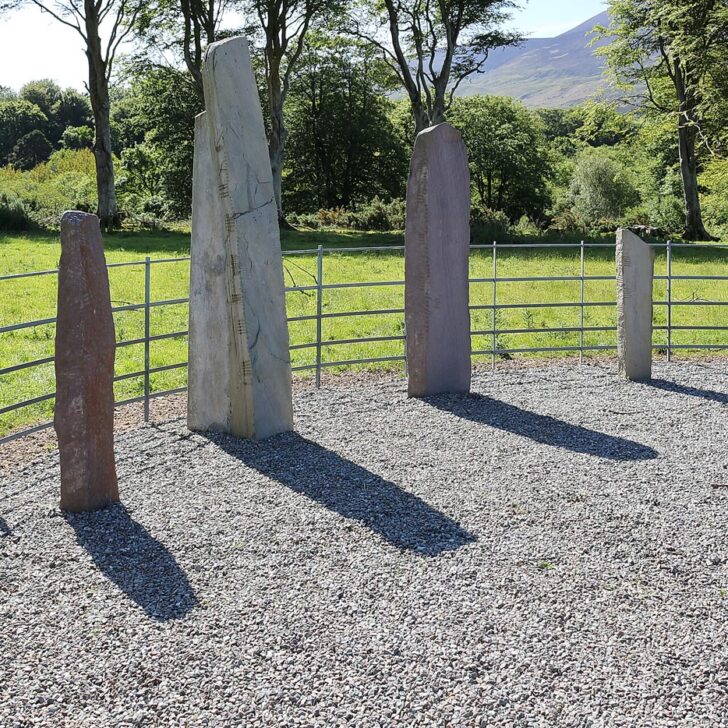
Ogham is the oldest way of writing Irish: 20 letters of strokes and notches cut along the edge of a standing stone. Here’s how it works, what the 400-plus ogham stones actually say, the truth about the “tree alphabet”, the legend of Ogma, where to see ogham stones in Kerry, Waterford, Cork and Dublin, and a letter chart for writing your own name.

Read More about Ogham: How to Read Ireland’s Ancient Alphabet and Write Your Own Name