Skip to Content

Irish Gaelic vs Scottish Gaelic: Is It Irish or Gaelic, and Can They Understand Each Other?

Irish (Gaeilge) and Scottish Gaelic (Gàidhlig) are sister languages, not the same one. Here’s what to call the language in Ireland and Scotland, why Gaelic football keeps the word, how Irish, Scottish Gaelic and Manx grew apart from medieval Gaelic, everyday phrases side by side, the spelling and sound differences, an honest answer on whether speakers understand each other, the 2021 and 2022 census figures, which is easier to learn and how to check a tattoo or gift.

Read More about Irish Gaelic vs Scottish Gaelic: Is It Irish or Gaelic, and Can They Understand Each Other?

Celtic Tree Zodiac: Find Your Tree Sign, and the Surprising Truth About How Old It Is

The Celtic tree zodiac gives you a birth tree instead of a star sign. Here are all 13 signs with their dates, meanings and ogham letters, a find-your-sign table, the real Irish folklore behind each tree, and the honest history: Robert Graves’s 1948 tree calendar and the separate tree horoscope invented for Marie Claire in 1971.

Read More about Celtic Tree Zodiac: Find Your Tree Sign, and the Surprising Truth About How Old It Is

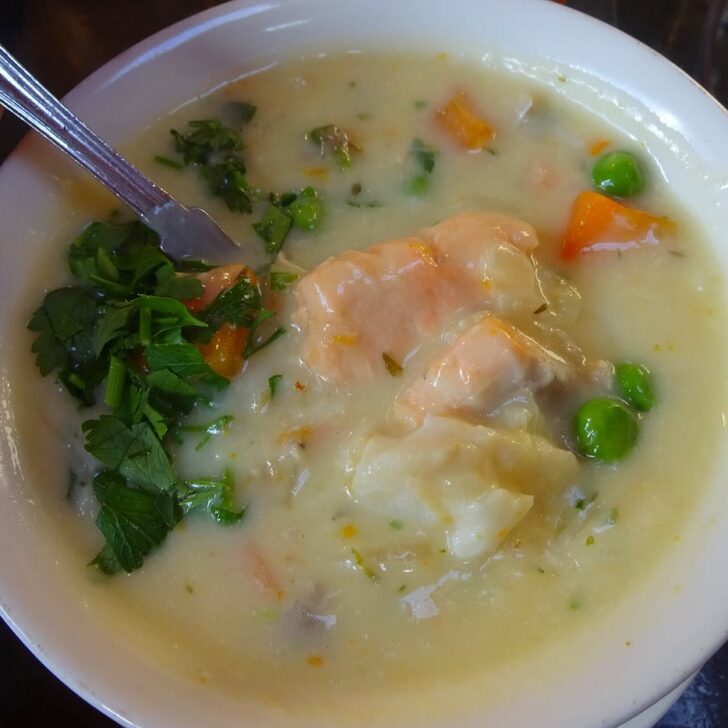
Irish Seafood Chowder Recipe: The Creamy Pub Bowl Served With Brown Bread

A creamy Irish seafood chowder recipe in metric and US measures: natural smoked haddock, salmon or white fish, mussels and prawns in a leek and potato base with milk and cream, served with brown bread. Plus US shopping notes (finnan haddie, shrimp vs Dublin Bay prawns), a slow cooker method, storage advice, how Irish chowder differs from New England clam chowder, where the word chowder comes from, why chowder never turns up in the 1930s Schools’ Collection, and the fishing heritage of Kinsale and Galway’s Claddagh.

Read More about Irish Seafood Chowder Recipe: The Creamy Pub Bowl Served With Brown Bread

Why Is Ireland Divided? Partition and Northern Ireland Explained Simply

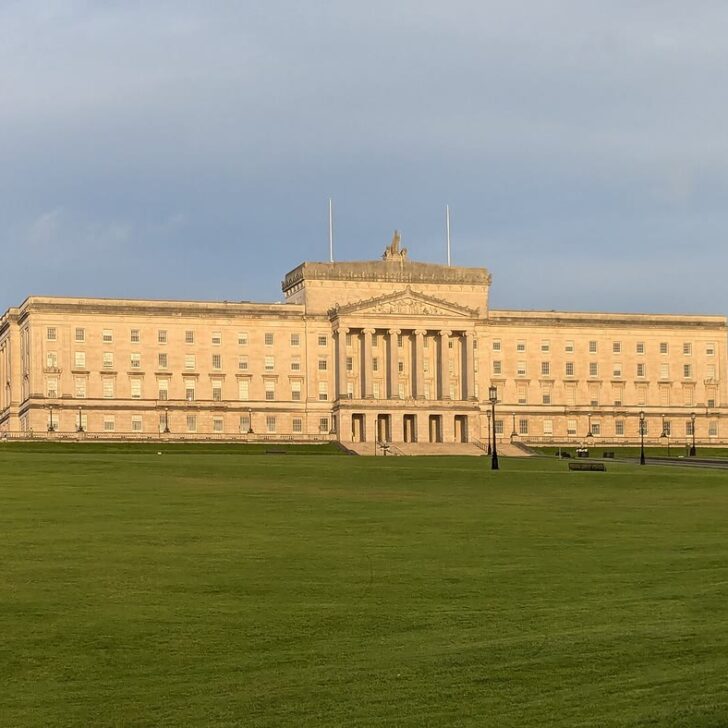
Why is Ireland divided? A balanced, plain-English guide to partition: the Plantation of Ulster, Home Rule and the 1912 Ulster Covenant, the Government of Ireland Act 1920, Northern Ireland’s first parliament in June 1921, the Treaty opt-out of December 1922 and the 1925 Boundary Commission. Plus why Northern Ireland is in the UK but not Great Britain, the Good Friday Agreement’s consent principle, border polls and what crossing the border is like today.

Read More about Why Is Ireland Divided? Partition and Northern Ireland Explained Simply

Irish Names Meaning Light, Fire, Wolf, Warrior and Sea: The Real Meanings (and the Made-Up Ones)

Irish names for boys and girls, sorted by the meanings people search for: light, fire, moon and star, sea, wolf and fox, warrior, red and dark hair, king and queen, love and hope. Each name has its Irish spelling, a rough pronunciation and a meaning checked in Woulfe’s Irish Names and Surnames (1923), the Royal Irish Academy’s Dictionary of the Irish Language (eDIL) and Ó Dónaill, with invented and disputed meanings flagged, plus the surnames (Murphy, Phelan, Hayes, MacMahon, Fox) that carry the same meanings.

Read More about Irish Names Meaning Light, Fire, Wolf, Warrior and Sea: The Real Meanings (and the Made-Up Ones)

Cliffs of Moher: How to Visit, Where You Can Still Walk for Free and the Best Time to Go

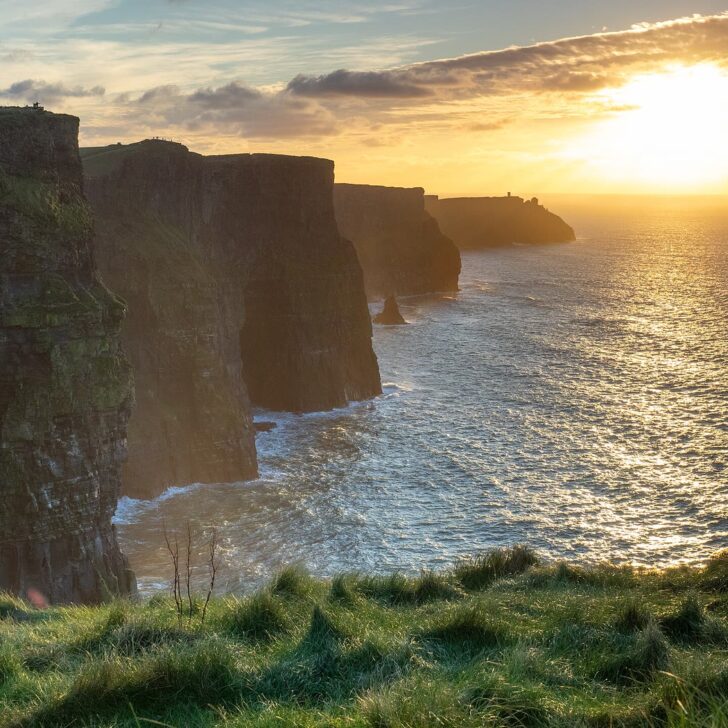
A complete Cliffs of Moher visitor guide: getting there from Dublin, Galway and Shannon, 2026 tickets, hours and parking, what’s still open on the coastal walk from Doolin since the 2024 closures, O’Brien’s Tower (1835), the 320-million-year-old geology, puffin season, the legends of Hag’s Head and the cliff of the foals, the films shot there, safety, and tips for a winter visit.

Read More about Cliffs of Moher: How to Visit, Where You Can Still Walk for Free and the Best Time to Go

Irish Place Names Meaning: What Bally, Kil, Drum, Knock and Your County’s Name Really Mean

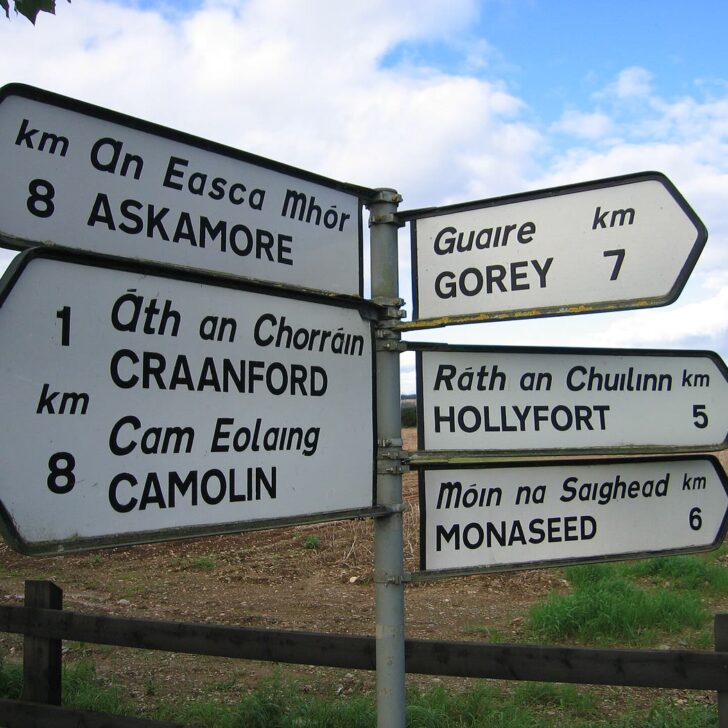
What do Bally, Kil, Drum and Knock really mean? A plain-English decoder for 30 common words in Irish place names, all 32 county names in Irish with their meanings and pronunciations, the Ballys that aren’t really Ballys, the forts behind Rath, Lis and Dun, and the Irish names that travelled to the US, Canada and Australia.

Read More about Irish Place Names Meaning: What Bally, Kil, Drum, Knock and Your County’s Name Really Mean

Vikings in Ireland: The Raiders Who Built Dublin (and the Norse Words Irish Still Uses)

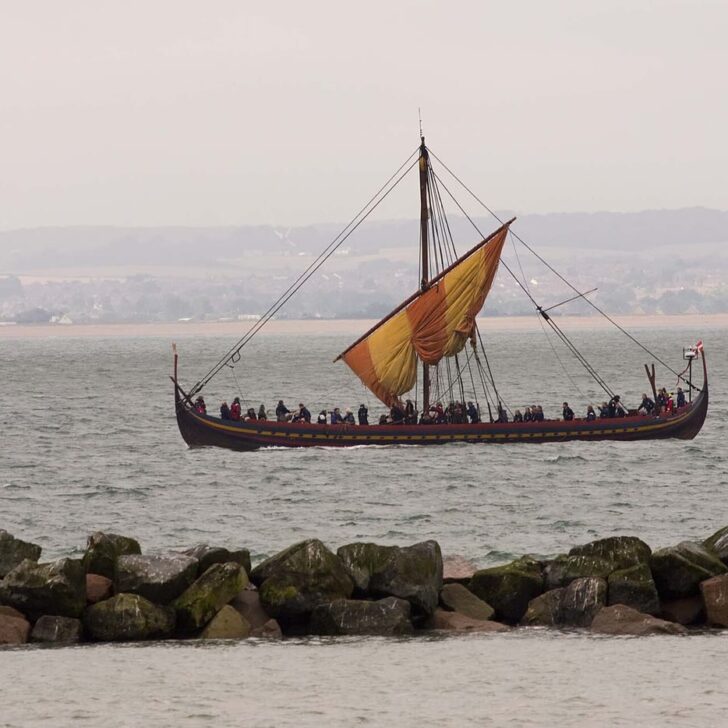
The Vikings first raided Ireland in 795, set up a ship camp at Dublin in 841 and went on to found Ireland’s first towns at Dublin, Waterford, Wexford, Limerick and Cork. Here is the story from the raids and the slave trade to the Hiberno-Norse, Clontarf in brief and the great Wood Quay dig, plus the Norse place names, Irish words and surnames they left behind, an honest look at the DNA claims, where to see Viking Ireland today and a facts-for-kids box.

Read More about Vikings in Ireland: The Raiders Who Built Dublin (and the Norse Words Irish Still Uses)

Happy Birthday in Irish: How to Say Lá Breithe Sona Duit (and Sing It)

Happy birthday in Irish is Lá breithe sona duit, literally “a happy day of birth to you”. Here’s how to pronounce it in each dialect, why it’s sona and not shona, how to say it to Mam, Dad, Granny or your love, old wishes like Go maire tú an lá, how to sing it to the usual tune, card messages, and the Irish birthday customs that are real (plus two online “Irish traditions” that need a second look).

Read More about Happy Birthday in Irish: How to Say Lá Breithe Sona Duit (and Sing It)

Seamus Heaney: The Farmer’s Son Who Won the Nobel Prize (His Life and Best Poems)

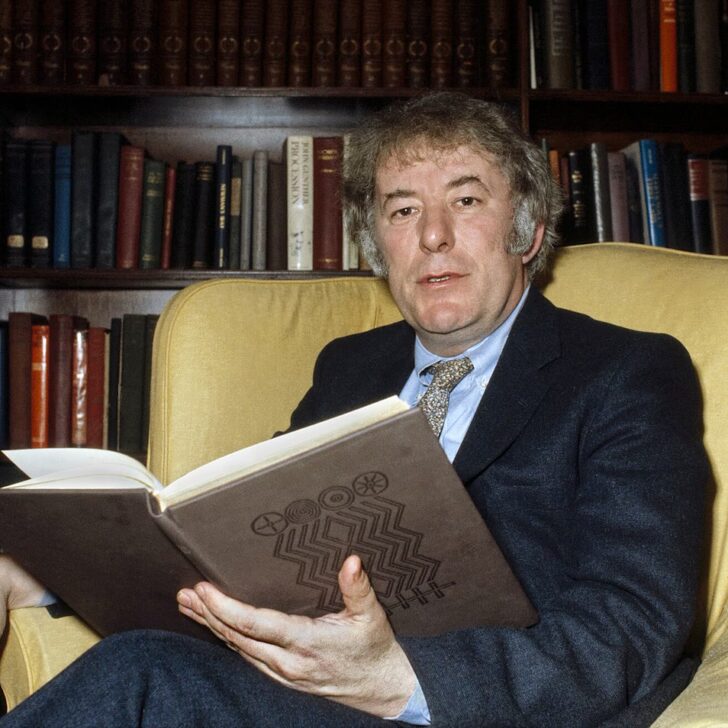
Who was Seamus Heaney? The Irish poet who won the 1995 Nobel Prize in Literature was born on a Co. Derry farm in 1939, the eldest of nine. Here is his life in order: Mossbawn, his brother Christopher and Mid-Term Break, Queen’s, Marie Devlin, Death of a Naturalist, the bog poems, Glanmore, Harvard and Oxford, Beowulf, the two-word Latin text he sent his wife before he died, his grave in Bellaghy and HomePlace, plus which of his poems to read first.

Read More about Seamus Heaney: The Farmer’s Son Who Won the Nobel Prize (His Life and Best Poems)

Anglicized Irish Names: Kathleen, Colleen, Maureen and 22 More That Came From Irish

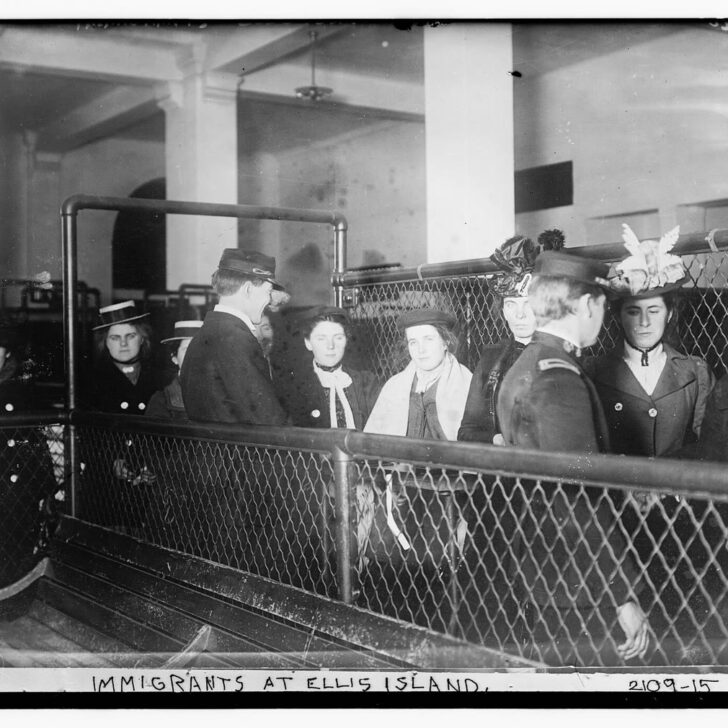
Kathleen, Maureen, Colleen, Eileen and Sheila all came from Irish. Here are 25 anglicized Irish names that Irish-American families gave their daughters and sons, with the Irish original (Caitlín, Máirín, cailín, Eibhlín, Síle and more), a rough pronunciation, where each really came from and its US popularity from Social Security data, plus the names that caught on in America first, why the spellings changed, and stand-in names like Timothy, Denis and Julia.

Read More about Anglicized Irish Names: Kathleen, Colleen, Maureen and 22 More That Came From Irish

Irish House Blessing: New Home Blessings, Housewarming Customs and Where ‘Bread, Salt and Wine’ Comes From

Real Irish house blessings for a new home, in English and Irish with pronunciations, and the moving-in customs Irish schoolchildren recorded in the 1930s: salt and holy water first, bread and a sod of turf, a Brigid’s cross and a horseshoe over the door, and ‘Saturday flit, short sit’. Plus where the bread, salt and wine blessing first appears (It’s a Wonderful Life, 1946) and why ‘Bless the four corners of this house’ is an American poem.

Read More about Irish House Blessing: New Home Blessings, Housewarming Customs and Where ‘Bread, Salt and Wine’ Comes From

Good Luck in Irish: Ádh Mór, Go nÉirí Leat and 30 Ways to Wish Someone Luck

Good luck in Irish is ádh mór (great luck) or go n-éirí leat (may it go well with you), the same verb hiding in ‘May the road rise up to meet you’. Here are 30 ways to wish someone luck: 24 in Irish for exams, the Leaving Cert, interviews, new jobs, journeys and match days, each with its literal meaning and pronunciation, plus six popular English ‘Irish blessings’ marked genuine or modern, and the real Irish folklore of magpies, horseshoes and the four-leaf clover.

Read More about Good Luck in Irish: Ádh Mór, Go nÉirí Leat and 30 Ways to Wish Someone Luck

Thank You in Irish: How to Say Go Raibh Maith Agat (and What It Really Means)

Thank you in Irish is go raibh maith agat, literally “may there be good at you”. Here’s how to say it to one person or a group, the bigger go raibh míle maith agat and míle buíochas, how to say thank you for something, the replies (tá fáilte romhat, ná habair é, go ndéana a mhaith duit), Munster, Connacht and Ulster pronunciations, how the Irish say thanks in English, thank-you card wording and Happy Thanksgiving in Irish.

Read More about Thank You in Irish: How to Say Go Raibh Maith Agat (and What It Really Means)

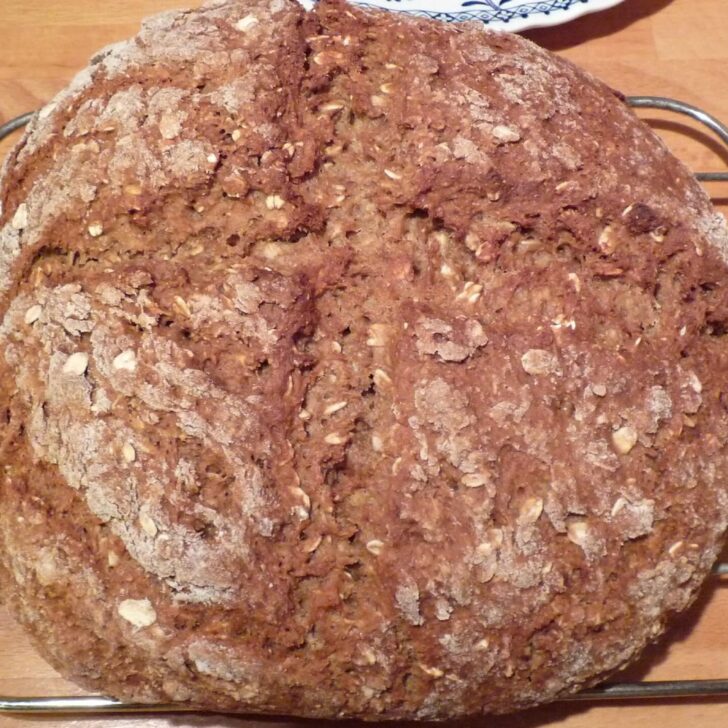
Irish Brown Bread Recipe: The No-Yeast Wholemeal Loaf (Plus a Guinness and Treacle Version)

A proper Irish brown bread recipe, in metric and US cups: a tin-baked wholemeal soda loaf with coarse wholemeal, oats, wheat bran, wheat germ, buttermilk and an optional spoonful of treacle, with no yeast and no kneading. Plus US flour swaps (Irish-style flour, or whole wheat plus bran), a full Guinness and treacle brown bread, bread machine and freezing notes, the Northern Irish name ‘wheaten’, 1930s Schools’ Collection accounts of home baking, the Emergency’s ‘black bread’ and the Irish words for it all.

Read More about Irish Brown Bread Recipe: The No-Yeast Wholemeal Loaf (Plus a Guinness and Treacle Version)