
Well, I hope you are having a good week. Today I picked number 32 from the top 100 Irish poems list. Once again the famous W.B Yeats makes it into the list. This poem is called “An Irish Airman Foresees His Death.”
This rather shorter poem is about World War 1 in general and specifically of British rule over Ireland (which lasted until 1922). The speaker argues that the outcome of the war is ultimately meaningless for his small community in western Ireland and that he feels no hatred towards his enemies nor love for the British.
Wishing to show restraint from publishing political poems during the height of the war, Yeats withheld publication of the poem until after the conflict had ended.
The airman in the poem is widely believed to be Major Robert Gregory, a friend of Yeats and the only child of Lady Augusta Gregory. Source Wiki
This poem was written in 1918 but not published until 1919.
Let’s get to the poem. 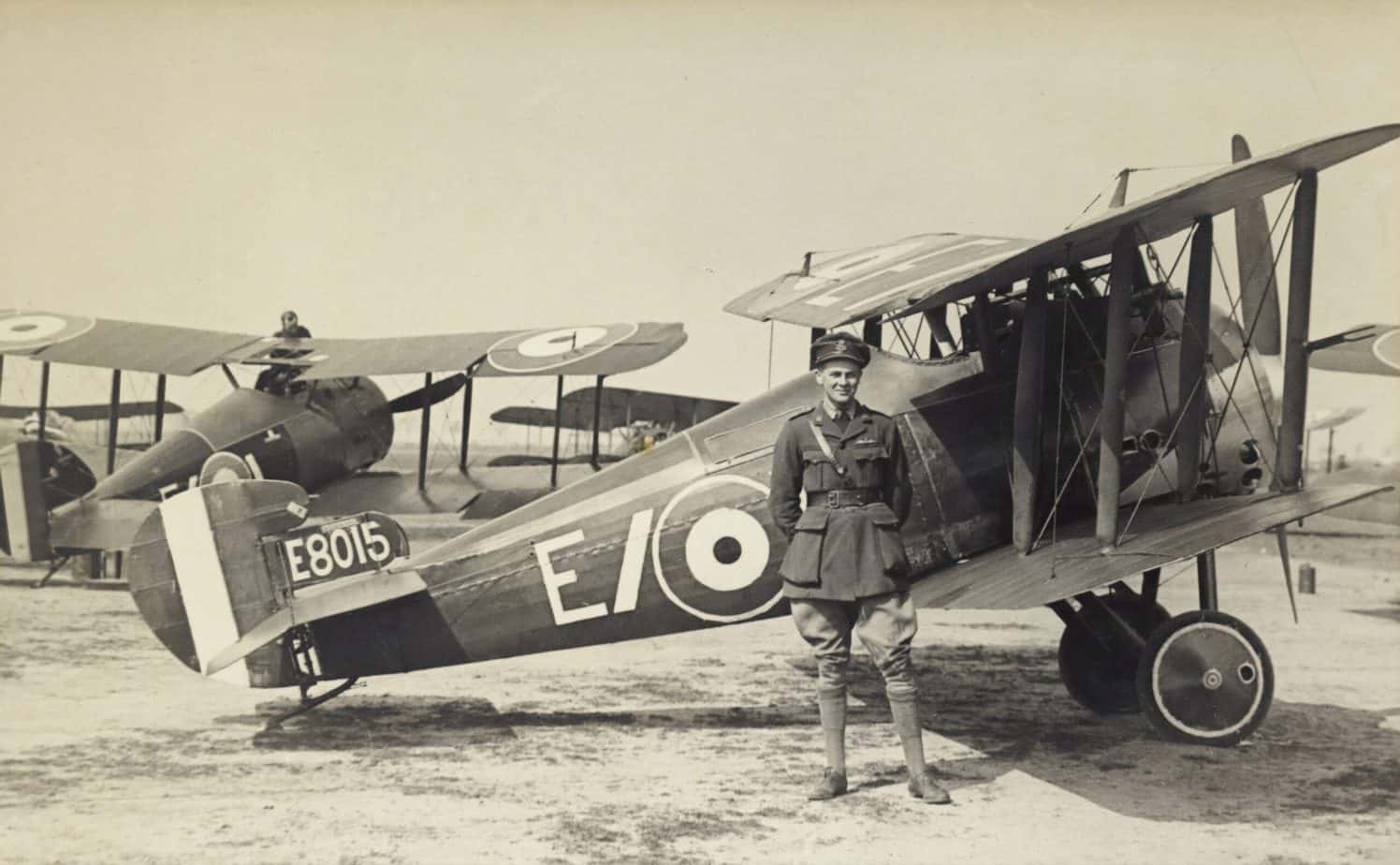
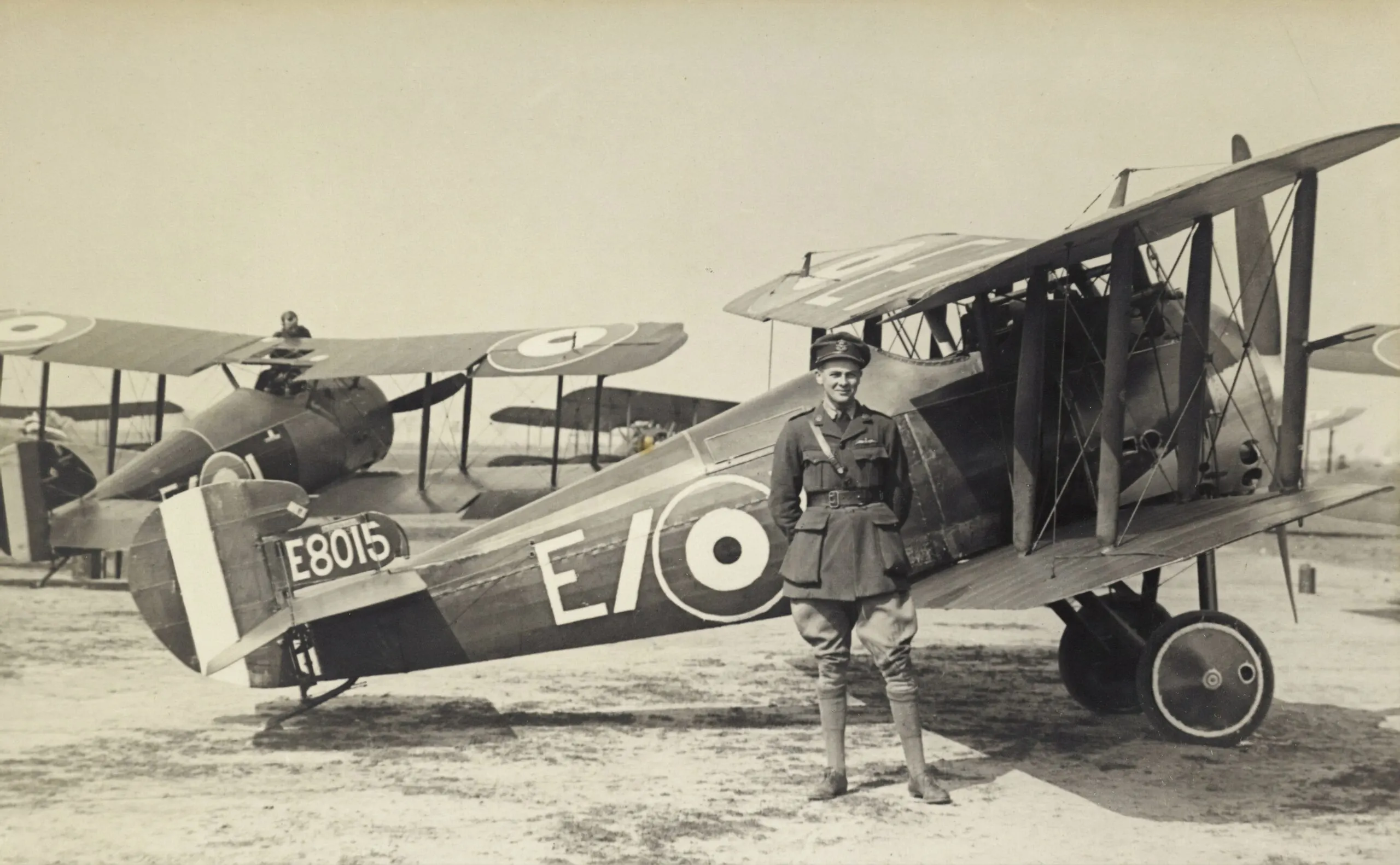
An Irish Airman foresees his Death
BY WILLIAM BUTLER YEATS
I know that I shall meet my fate
Somewhere among the clouds above;
Those that I fight I do not hate,
Those that I guard I do not love;
My country is Kiltartan Cross,
My countrymen Kiltartan’s poor,
No likely end could bring them loss
Or leave them happier than before.
Nor law, nor duty bade me fight,
Nor public men, nor cheering crowds,
A lonely impulse of delight
Drove to this tumult in the clouds;
I balanced all, brought all to mind,
The years to come seemed waste of breath,
A waste of breath the years behind
In balance with this life, this death.
An Irish Airman Foresees His Death: meaning and analysis
Yeats wrote this poem in 1918 for Major Robert Gregory, the only son of his friend and patron Lady Augusta Gregory of Coole Park in County Galway. Robert Gregory, a painter and sportsman, joined the Royal Flying Corps and was killed over Italy on 23 January 1918. The poem was published in The Wild Swans at Coole (1919).
What it means
The airman is calm about his death. He does not hate the enemy he fights or love the people he guards. His country, he says, is Kiltartan Cross, near Coole, and its poor people will be no better or worse off whatever happens in the war. No law, duty, politician or cheering crowd made him fight. Instead it was a ‘lonely impulse of delight’ that drove him to the clouds. Weighing everything up, the years behind and the years ahead seem a waste of breath compared with this life and this death.
It is a striking poem to come from Ireland in 1918, when tens of thousands of Irishmen were serving in the British forces while the country was moving towards independence. Yeats gives his airman no cause at all, only a personal choice.
Form
Sixteen lines of iambic tetrameter in rhyming quatrains, with balanced, mirror-image lines that match the airman’s cool weighing up of his life.
Key themes
- Death and fate
- Freedom and personal choice
- Irish identity during the First World War
More Irish poems
- The Lake Isle of Innisfree by W. B. Yeats
- Easter, 1916 by W. B. Yeats
- Sailing to Byzantium by W. B. Yeats
- Irish quotes
A little bit of Ireland in your inbox every Friday ☘️
The free Weekly Dose of Irish: an Irish joke, a Celtic symbol, an Irish fact, a poem and the week’s best articles in one short email. Join 9,600+ readers.
Free. One short email every Friday. Unsubscribe any time.