
It has been a while since I featured a poem by the great W.B Yeats from the top 100 Irish poems list. This week the poem comes in at number 98—a powerful sonnet composed by Yeats in 1923. A Sonnet is a poem of fourteen lines using a number of formal rhyme schemes.
The poem focuses on the story from the Greek myth in which Zeus, having adopted the form of a swan, ravishes the girl Leda and impregnates her with the child who will become Helen of Troy. It’s a big subject, and there’s a lot of literature and artwork on the web. It is also quite unusual for Yeats as he typically did not write sonnets. Enjoy this incredible Irish poem. Be sure to comment below with what you thought.
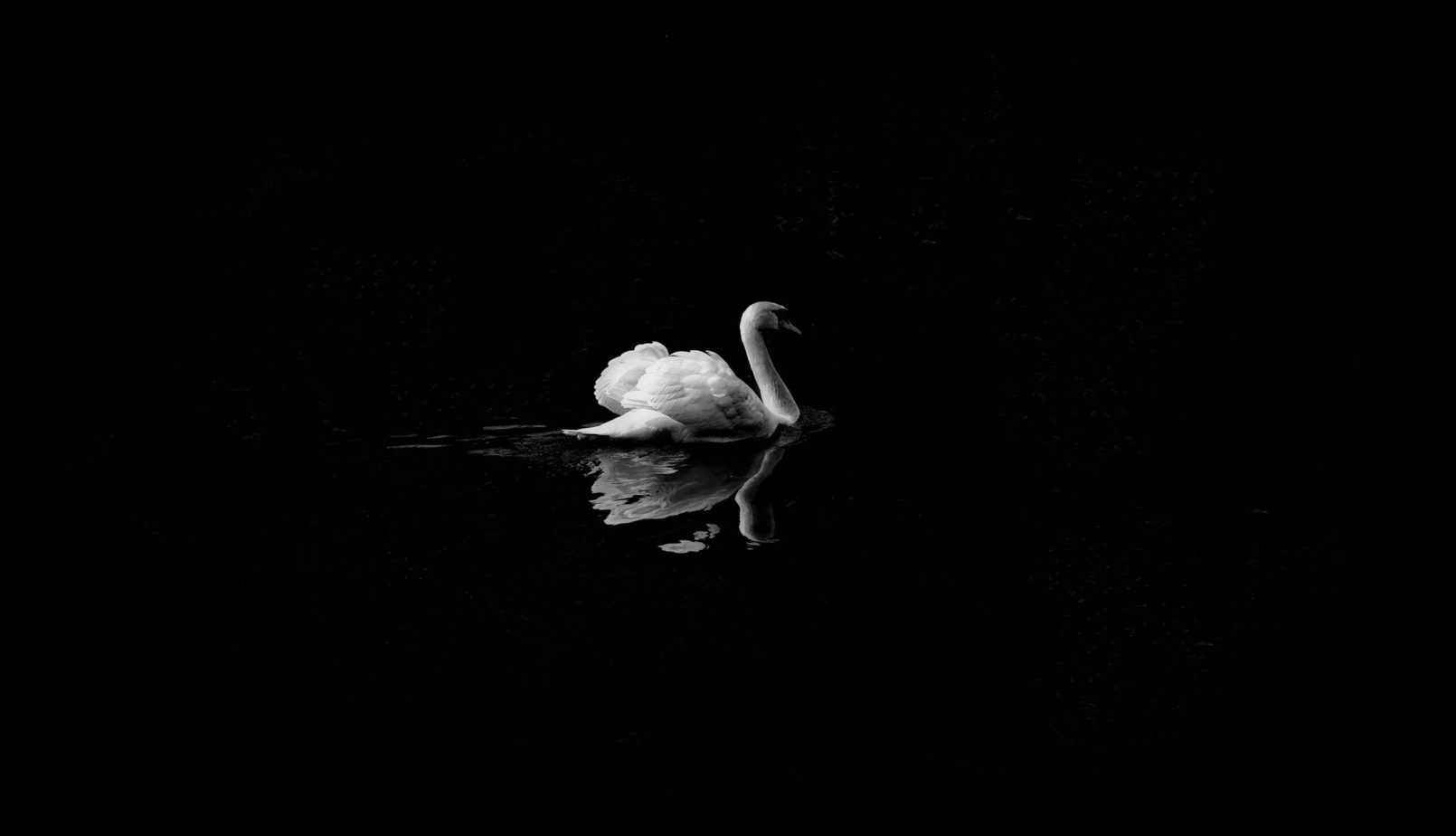
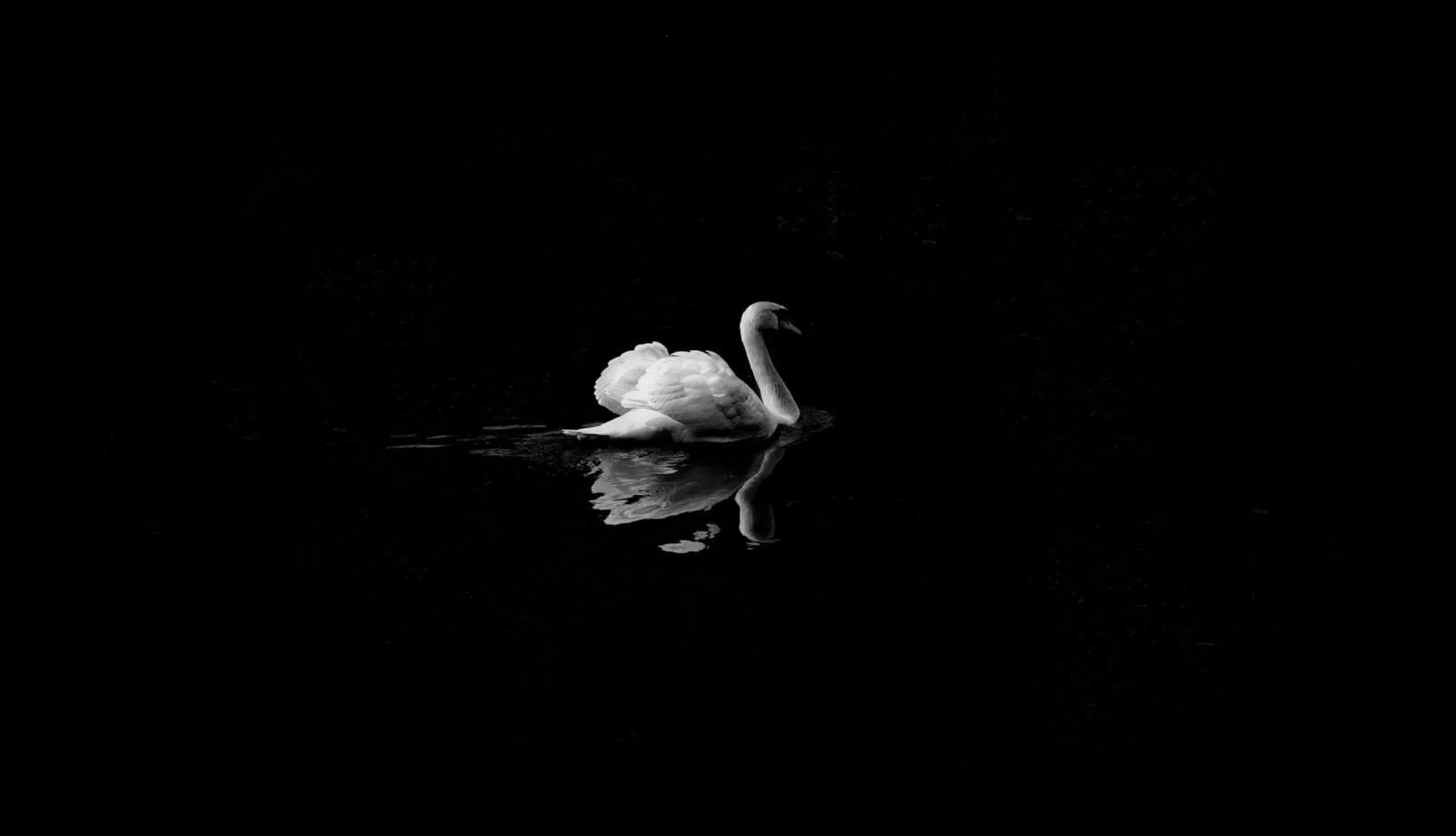
Leda and the Swan
A sudden blow: the great wings beating still
Above the staggering girl, her thighs caressed
By the dark webs, her nape caught in his bill,
He holds her helpless breast upon his breast.
How can those terrified vague fingers push
The feathered glory from her loosening thighs?
And how can body, laid in that white rush,
But feel the strange heart beating where it lies?
A shudder in the loins engenders there
The broken wall, the burning roof and tower
And Agamemnon dead.
Being so caught up,
So mastered by the brute blood of the air,
Did she put on his knowledge with his power
Before the indifferent beak could let her drop?
Leda and the Swan: meaning and analysis
Yeats wrote ‘Leda and the Swan’ in 1923 and first published it in 1924. It was later collected in The Tower (1928), one of his greatest books.
What it means
The sonnet retells a Greek myth in which Zeus takes the form of a swan and assaults Leda, a mortal woman. From that union came Helen, whose abduction caused the Trojan War, and Clytemnestra, who murdered her husband Agamemnon on his return from Troy. Yeats compresses all of that into a single image of the fall of Troy and the death of Agamemnon.
The poem is violent and deliberately disturbing. Yeats uses the myth to show a moment when the divine breaks into human history and changes everything. He believed history ran in great cycles of about two thousand years, each started by a moment like this. The poem ends by asking whether Leda gained any of the god’s knowledge along with his power.
Form
A Petrarchan sonnet: an eight-line octave describing the assault, then a six-line sestet that turns to its consequences. The famous broken line in the sestet mirrors the break in history the poem describes.
Key themes
- Power and violence
- History and fate
- Knowledge and the divine
More Irish poems
- The Lake Isle of Innisfree by W. B. Yeats
- Easter, 1916 by W. B. Yeats
- Sailing to Byzantium by W. B. Yeats
- Irish quotes
A little bit of Ireland in your inbox every Friday ☘️
The free Weekly Dose of Irish: an Irish joke, a Celtic symbol, an Irish fact, a poem and the week’s best articles in one short email. Join 9,600+ readers.
Free. One short email every Friday. Unsubscribe any time.