The most haunted places in Ireland include Leap Castle in Co. Offaly, home of the “Elemental”, and Loftus Hall in Co. Wexford, where the Devil reputedly sat down to play cards. Others are Charleville Castle, Ballygally Castle, Kyteler’s Inn in Kilkenny and the Hellfire Club above Dublin. Most take visitors this Halloween, but Loftus Hall and Charleville are closed and several others are private.
Ireland has more ghost stories than it has castles, and it has a lot of castles. It also gave the world much of Halloween. On Oíche Shamhna (EE-ha HOW-na), the night of 31 October, the dead were said to come home, as I explain in how the Irish invented Halloween.
This list first went up in 2019, and it needed an overhaul. Some places have closed, one has been sold and a few stories didn’t stand up. So here are 15, each with the ghost story, the real history and an honest answer on whether you can get in.
For American readers, Co. means County, and a gaol is a jail, said the same way. Some of these places are private homes or farmland, so please don’t climb gates. A ghost is no excuse for trespassing, and the farmer is scarier.
1. Leap Castle, Co. Offaly
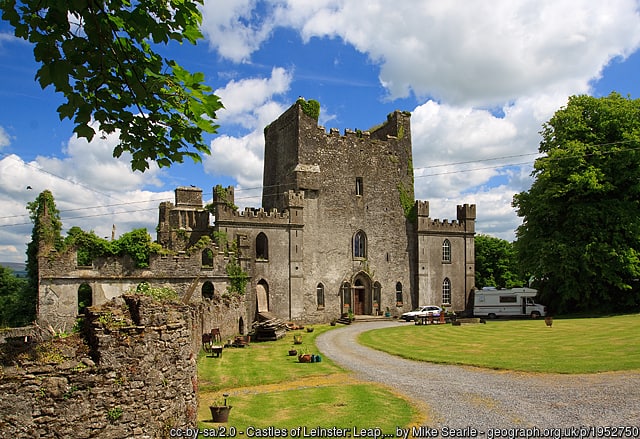
Ask about the most haunted castle in Ireland and one name comes up first: Leap. It has long been billed as one of the most haunted in Europe, and it has put in the work.
The story goes that in 1532 the O’Carroll brothers fell out over who would lead the clan. One brother, a priest, was saying Mass in the castle chapel. The other, one-eyed Teige, burst in and cut him down at the altar.
The room has been called the Bloody Chapel ever since. Tradition adds an oubliette, a pit where prisoners were dropped and forgotten. Then there is the Elemental, a grey, roughly human Thing that smells like a rotting corpse.
The history: The Annals of the Four Masters do record an O’Carroll feud in 1532. But they say the parson’s son was “slain on the Green of Birr by Teige Caech”, not at Mass in Leap.
The Elemental comes from Mildred Darby, who married into the Darby family of Leap. Writing as “Andrew Merry”, she described it in The Occult Review in December 1908. The claim that it was a leper O’Carroll has no source I can find.
The tower house is traditionally dated to about 1500, though the official archaeological survey puts it later in the 1500s. It was burned in July 1922. Its Irish name, Léim Uí Bhánáin (layme ee VAW-nawn), means O’Bannon’s Leap.
Can you visit? Only if the owners agree. Leap has been the private home of musician Seán Ryan and Anne Callanan-Ryan since 1991. Visiting arrangements change, so confirm before you travel, and never turn up unannounced.
2. Loftus Hall, Co. Wexford
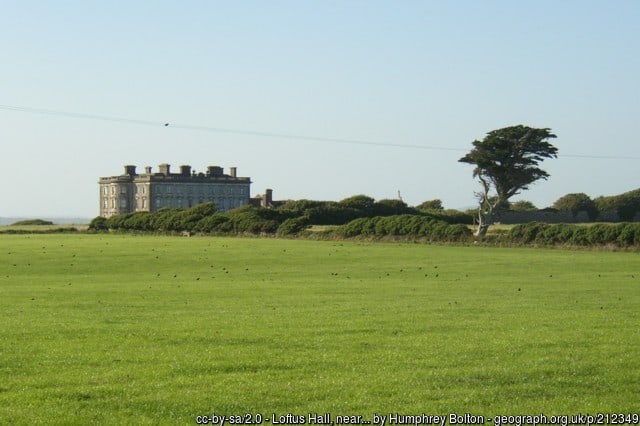
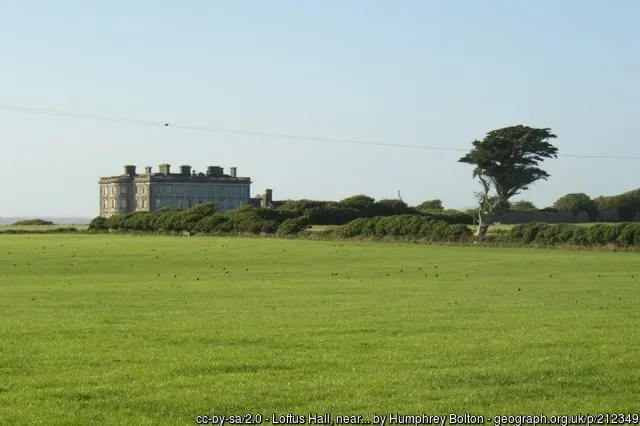
In the old version of this post, Loftus Hall lost its heading and hid under Leap Castle. Fitting, for a house that keeps secrets. It stands alone on the Hook Peninsula and is probably Ireland’s most famous haunted house.
The story goes that on a stormy night in the mid-1700s, a young stranger on horseback asked for shelter. Charles Tottenham took him in. The family played whist in the evenings, and his daughter Anne grew fond of the guest.
One night Anne dropped a ring under the card table. Bending to pick it up, she saw that the stranger had a cloven foot. He vanished in a thunder-clap, leaving a smell of brimstone. Anne was kept in one room until she died, and a priest, Father Broders, is said to have confined the haunting there.
The history: The best-known early written version is in True Irish Ghost Stories by St John Seymour and Harry Neligan (1914). Modern retellings swap the ring for a playing card and add extra exorcisms.
The twist? Even the man whose account they printed, an unnamed rector, doubted it. He suspected a simple case of “He loved, and he rode away”. Anne broke down, and the family let the Devil take the blame.
The Loftus family made the old Redmond hall their main home in 1666. Today’s house was largely rebuilt between 1872 and 1884 by the 4th Marquess of Ely.
Can you visit? No. Tours stopped in 2020, and the house has changed hands since. The Irish Times reported in November 2025 that a Meath investor, Patrick McDermott, had bought it for €3 million.
The paper understood he plans to turn it into a hotel. For now it is not open to the public, so admire it from the public road.
3. Charleville Castle, Co. Offaly
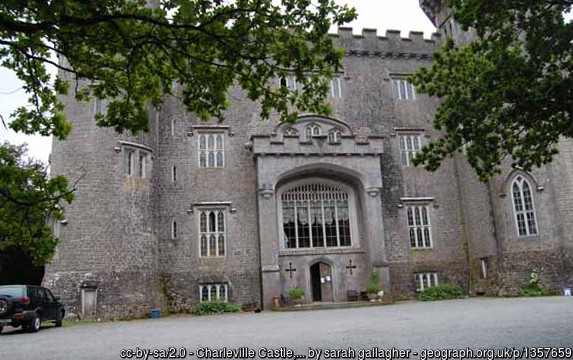
Offaly’s other famous haunt sits just outside Tullamore, a Gothic Revival fantasy of towers and battlements. The ghost is a little girl called Harriet. According to the story, she died after a fall on the great staircase and plays there still.
Some retellings make her the third Earl’s daughter and date her death to 1861. I can’t confirm that, so treat it as tradition.
The history: Francis Johnston designed Charleville. It was commissioned in 1798 and built between 1800 and about 1812 for Charles William Bury, who became the 1st Earl of Charleville in 1806.
Can you visit? Not inside, for now. Its website says tours are closed until further notice, so check before you make the trip.
4. Ballygally Castle, Co. Antrim
The story goes that James Shaw badly wanted a son. When his wife Isabella gave birth to a daughter, he locked her in the turret and took the baby away. Trying to reach her child, she fell from the tower to her death. Her turret room is known as the Ghost Room.
The history: James Shaw, a Scot from Greenock, built the castle in 1625 with his wife, Isabella Brisbane. It is now a hotel on the Antrim coast, about 3 miles north of Larne.
Can you visit? Yes, and you can sleep here too. Ask at reception whether you can see the Ghost Room. This is Northern Ireland, so bring pounds sterling, not euro.
5. Kyteler’s Inn, Co. Kilkenny
The only place on the list where you can order a pint. It’s tied to the most famous witchcraft case in Irish history, and the paper trail is real.
In 1324 Bishop Richard de Ledrede of Ossory charged Dame Alice Kyteler with sorcery and heresy. She was said to keep a demon called Robin son of Art, who came to her as a cat or a shaggy black dog. Later annals, repeated by the chronicler Holinshed, add nine red cockerels sacrificed at a crossroads.
The history: Alice married four times, and her stepchildren pushed the case. She fled, probably to England, and vanished from the record. Her maid, Petronilla de Meath, was flogged and burned at Kilkenny on 3 November 1324, the first known person burned for heresy in Ireland.
So if you read that Alice was burned at the stake, you’re reading a mistake. The pub claims a history going back to 1263. Tradition ties it to Alice, though historians argue over whether her family lived on this spot.
Can you visit? Yes. It’s a working pub on St Kieran’s Street, with trad (traditional Irish) music nightly in high season. For the rest of the city, see my guide to 48 hours in Kilkenny.
6. The Hellfire Club, Montpelier Hill, Co. Dublin
High above Dublin sits a roofless stone lodge with a terrible reputation. The story goes that wealthy young men met here to drink, gamble and toast the Devil. One stormy night a stranger joined their card game, and someone spotted a cloven hoof.
Yes, it’s almost the same story as Loftus Hall. The Devil, it seems, had a favourite trick. Another tale has a priest driving a demon out of a black cat.
The history: William Conolly, Speaker of the Irish House of Commons, built it as a hunting lodge around 1725. He used stones from a prehistoric cairn on the summit, and local tradition blamed the Devil when a storm blew the first roof off. A 2016 excavation found a Stone Age passage tomb underneath.
Conolly died in 1729. The Irish Hellfire Club was founded in the 1730s by the Earl of Rosse and James Worsdale. It met mostly at the Eagle Tavern in the city, and there’s little evidence it used the lodge much.
Can you visit? Yes, for free. Coillte, the state forestry company, manages the forest, and the car park is on the R115, about 6.5km (4 miles) south of Rathfarnham. From October, Coillte says the gate closes at 5pm, so this is a daytime climb.
Car park hours change with the season, so check dublinmountains.ie before you go. Wear proper shoes and keep a safe distance from the ruin.
7. St Patrick’s Cathedral (Captain Boyd’s Dog), Co. Dublin
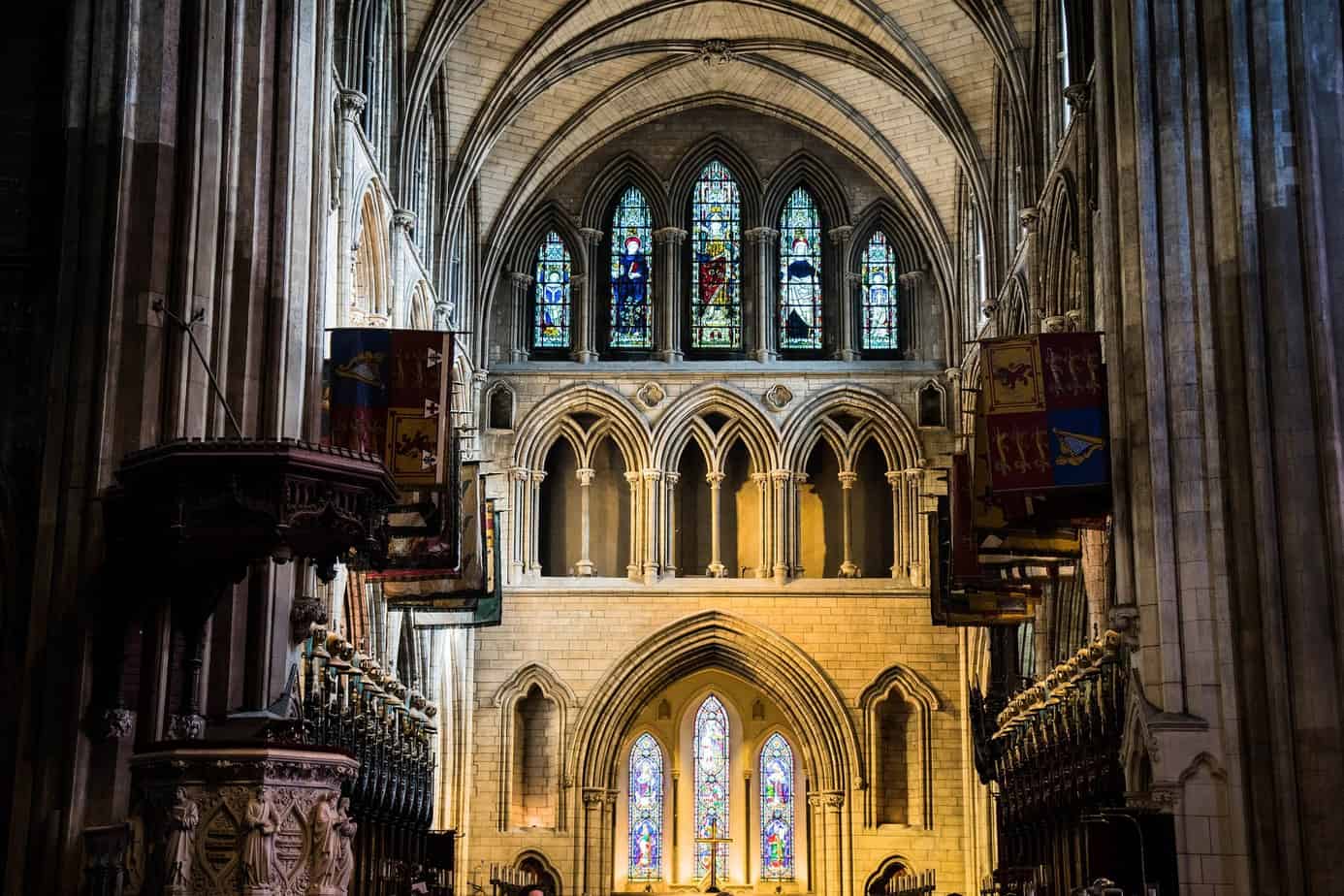
This is the gentlest ghost on the list. Legend has it that Captain John McNeill Boyd’s Newfoundland dog followed him to the grave, lay down and refused to leave until it starved.
Ever since, people have claimed to see a large dog at the base of Boyd’s statue inside the cathedral. One was reputedly a former dean. Think of it as Pet Sematary, only kinder.
The history: Boyd was a Derry man who rose to captain HMS Ajax. In February 1861 he was swept off the East Pier at Kingstown, now Dún Laoghaire, trying to save the crew of the brig Neptune. He was buried here on 5 March 1861, and the citizens of Dublin raised his statue.
Can you visit? Yes. St Patrick’s is open to paying visitors, and the statue is inside. The cathedral tells the dog story on its own website, which makes this about the most official ghost in Ireland.
8. Malahide Castle, Co. Dublin
The best-known tale is about Puck, a jester. The story goes that he fell for a noblewoman held at the castle, was killed for it, and swore as he died to haunt the place.
Another family tradition says 14 Talbot cousins breakfasted here before the Battle of the Boyne in 1690, and none came home. Both come from family and popular tradition, not documents.
The history: The Talbot family held Malahide from 1185 until 1976. The only gap came between 1649 and 1660, when Cromwell handed it to Miles Corbet. That’s 791 years, give or take a Cromwell.
Can you visit? Yes, by guided tour, daily. The Malahide Samhain Festival, run by The Haunted Trail, is on the grounds from 17 to 31 October 2026 and is booked separately.
9. Cork City Gaol, Co. Cork
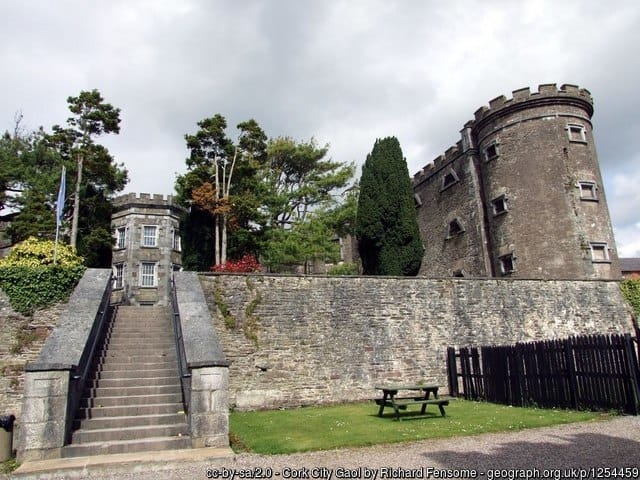
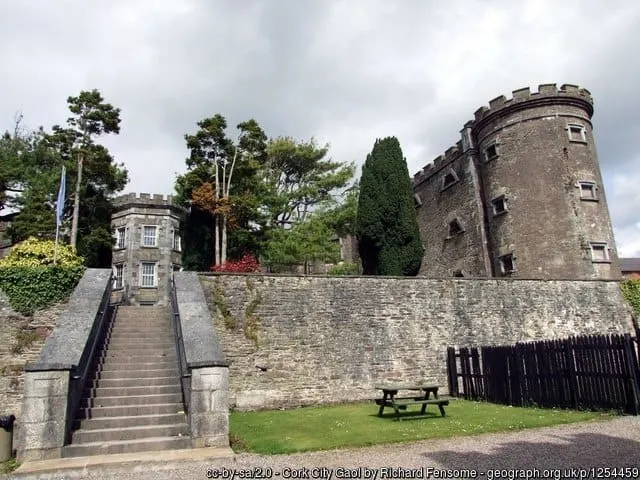
My home county gets three entries, and I promise that’s not bias. It has the usual old-gaol tales of footsteps and cold cells, but I can’t find a named ghost here with a proper source.
The true stories are grim enough. Constance Markievicz, the first woman elected to Westminster, was held here in 1919. In 1922 and 1923 it held anti-Treaty prisoners from the Civil War.
The history: The gaol opened at Sunday’s Well in 1824. From 1878 it held women only, and it closed in August 1923. Oddly, from 1927 the Governor’s house was home to 6CK, Cork’s first radio station.
Can you visit? Yes. Adults pay €12, and it opens 10am to 5pm (4pm from November). Its Halloween trail, Wanda’s Black Cat Mystery, runs from 26 October to 1 November.
10. Charles Fort, Kinsale, Co. Cork
The story goes that the commander’s daughter married a young officer. On their wedding night, the groom took a sentry’s place on the walls and fell asleep. The commander shot the sleeping sentry, then found it was his new son-in-law.
His daughter, the tale says, threw herself from the walls in grief. A White Lady in a wedding dress has reputedly walked the ramparts ever since. The names and even the century change depending on who tells it.
The history: This huge star-shaped fort outside Kinsale dates from the late 1600s, designed by William Robinson. In 1690 it held out for 13 days before it fell. Anti-Treaty forces burned it on their way out in 1922.
Can you visit? Yes. The OPW (Office of Public Works) runs it as a heritage site, open daily 10am to 6pm until 31 October, last entry 5pm. Adults pay €5.
11. Belvelly Castle, Co. Cork
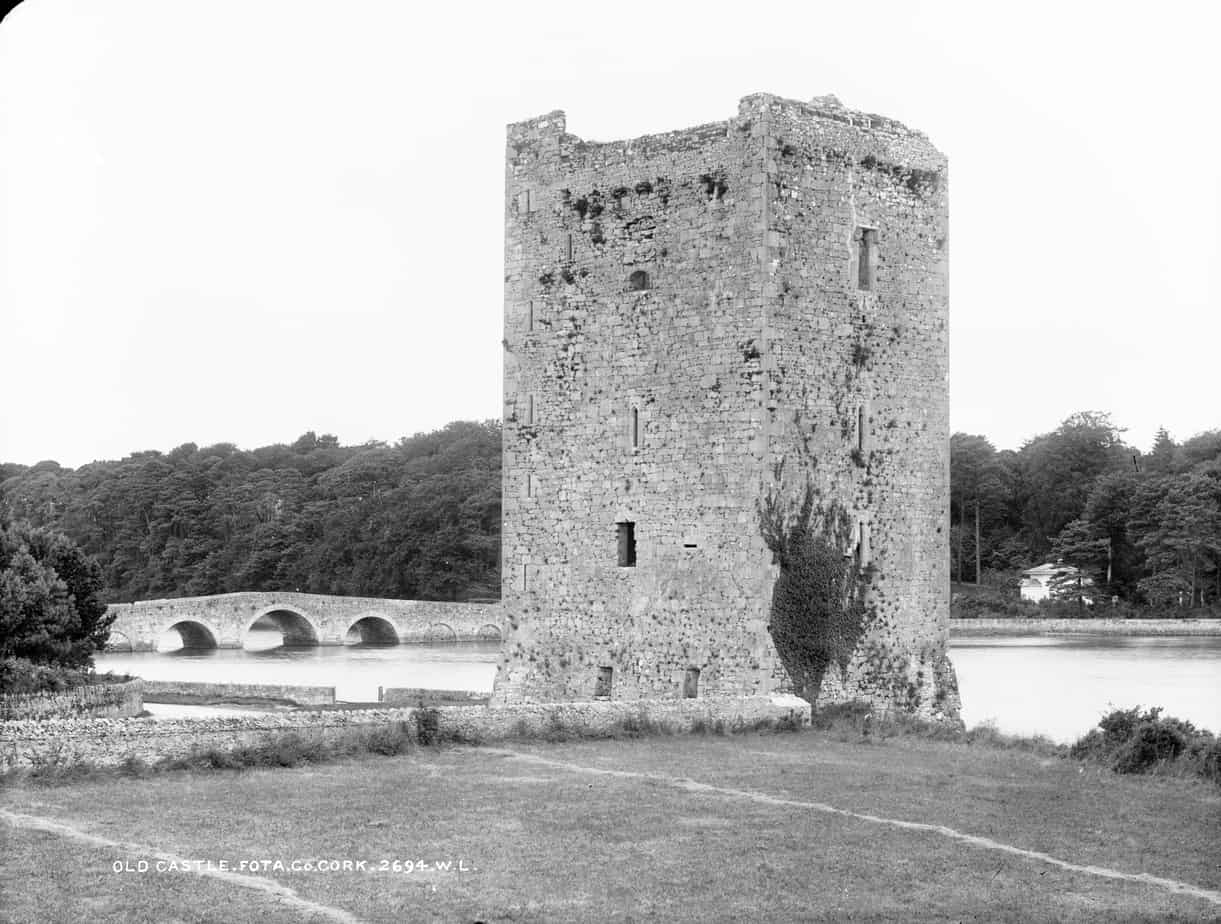
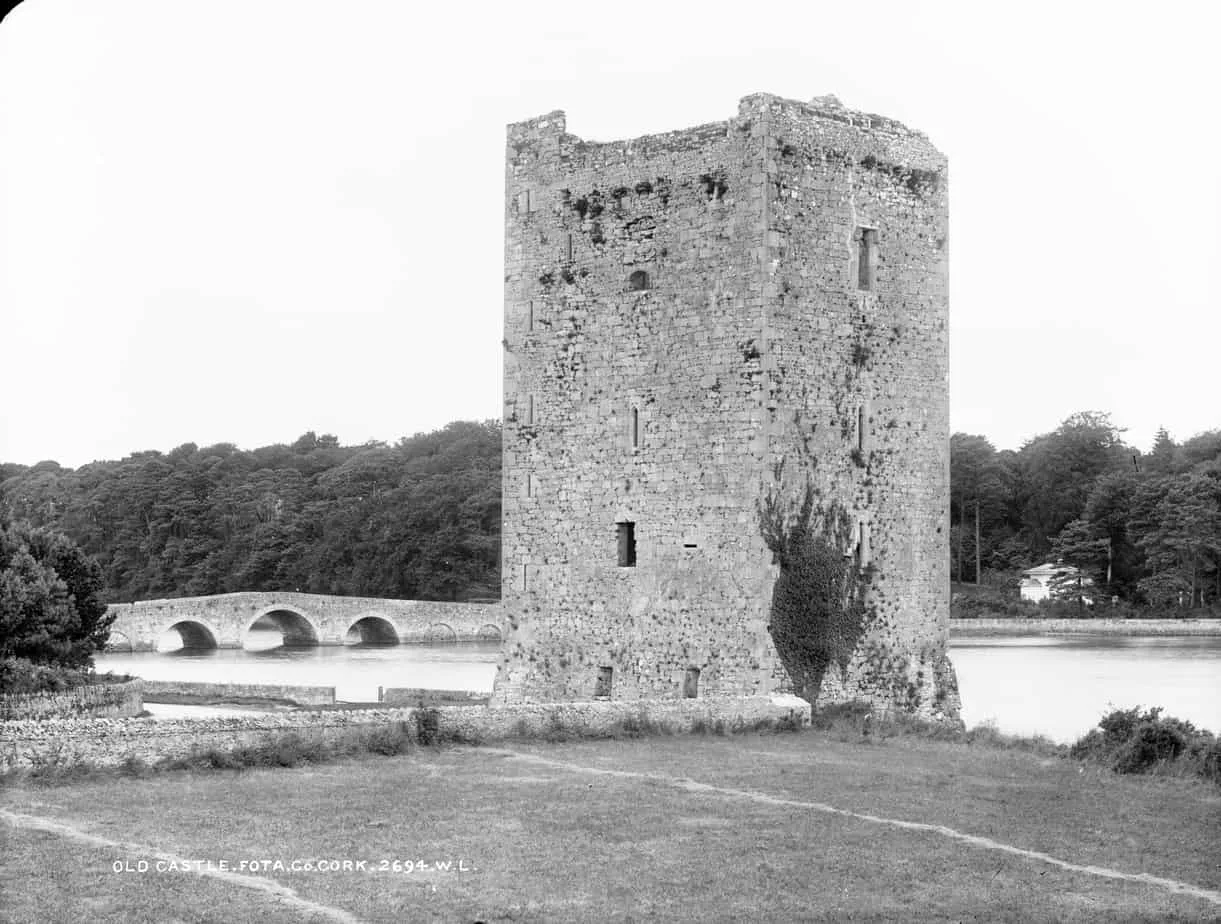
The usual tale is about Lady Margaret Hodnett, said to be the most beautiful woman in the county. As her looks faded, the story goes, she smashed every mirror in the castle. She is said to walk the tower still.
The history: Belvelly is a tower house, a tall fortified stone home, from the 1300s or 1400s. It guards the old crossing onto Great Island near Fota and is linked to the Anglo-Norman Hodnett family.
Can you visit? No. It was restored as a private family home in 2018. You’ll see it from the public road on the way to Cobh, but please go no further.
12. Duckett’s Grove, Co. Carlow
From a distance this burnt-out shell near Carlow town looks like a fairy-tale castle. Up close, the fairy tale went badly.
The story goes that the Ducketts were cursed. Local lore tells of a piseog (PISH-ogue), a folk curse, laid on the family. Other stories tell of a banshee wailing round the towers.
The history: It began as a Georgian house of around 1745. From the mid-1820s the architect Thomas Cobden gothicised it for John Dawson Duckett. It burned overnight on 20 April 1933, and nobody ever established the cause.
Can you visit? Yes, for free. Carlow County Council opened the two walled gardens in 2007, and they’re open in daylight. The burned-out shell is off-limits, so admire it from the paths.
13. Aughrim Battlefield, Co. Galway
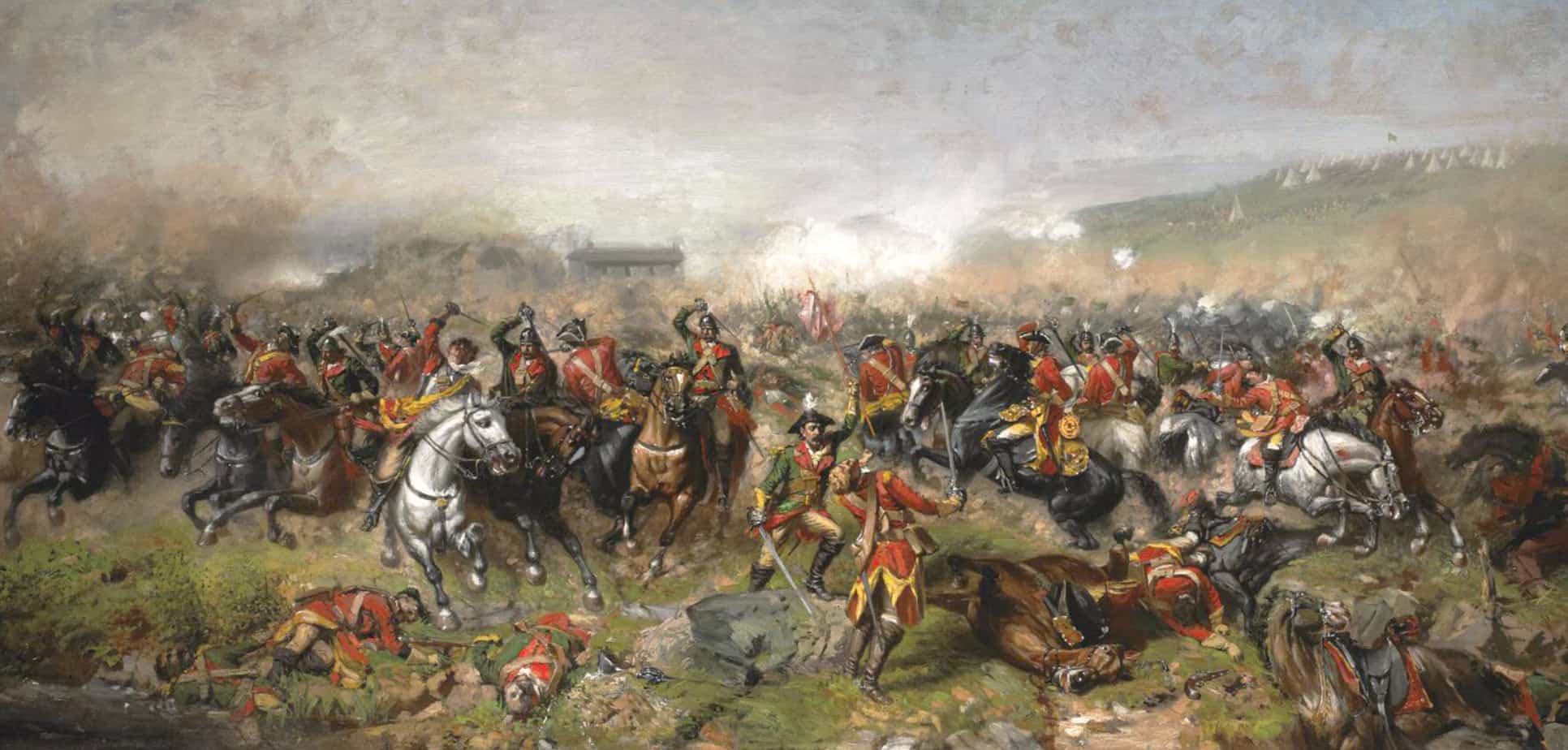
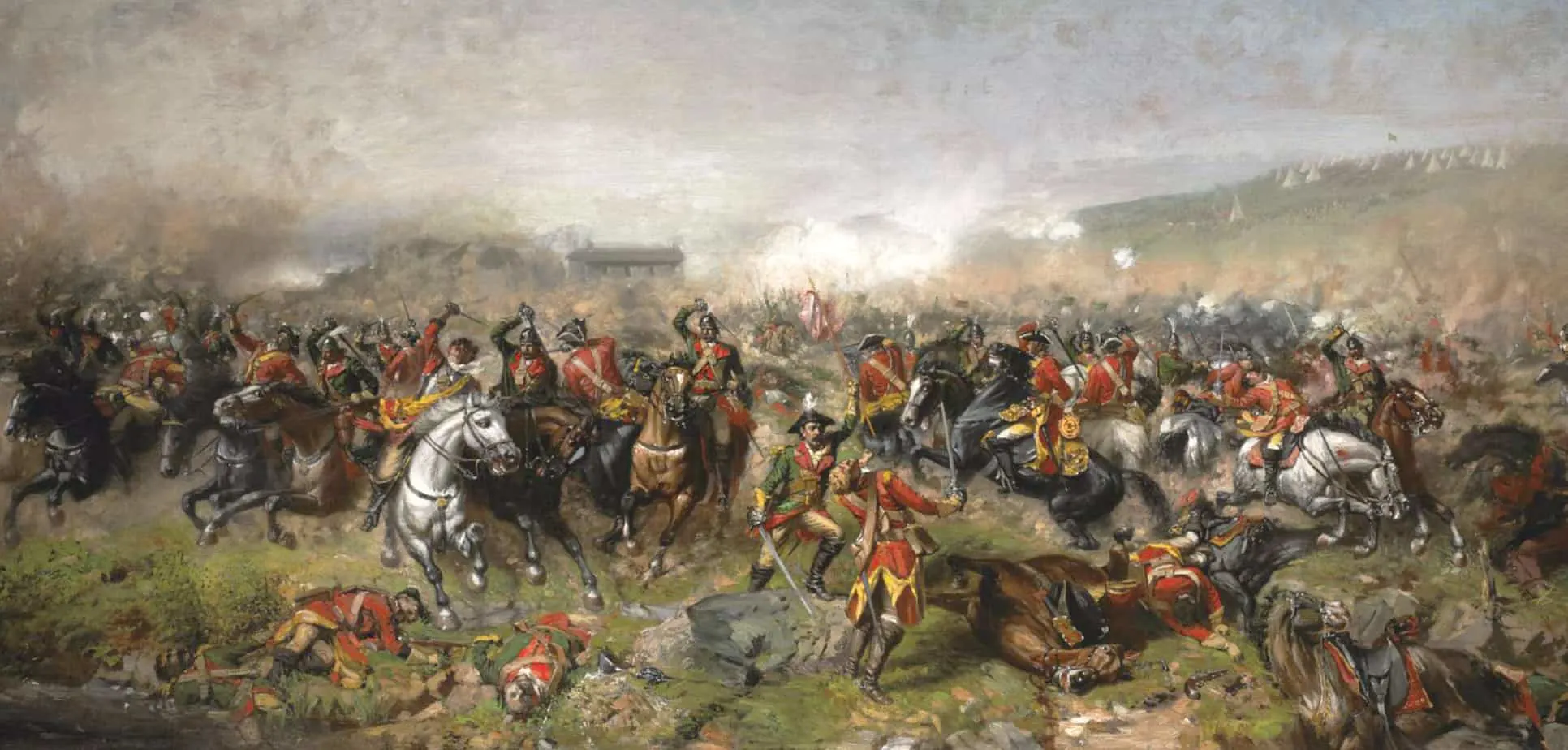
On 12 July 1691 thousands died here in a single day, and the Jacobite dead were left unburied. According to local tradition, the ground has never quite settled. There’s talk of cries and phantom soldiers in the low ground called the Bloody Hollow. Irish tradition calls it Eachdhroim an Áir, Aughrim of the slaughter, after a line by the poet Séamas Dall Mac Cuarta.
The history: The Jacobite army of James II, led by the Marquis de Saint-Ruhe, met the Williamites under Ginkel. Saint-Ruhe was killed by a cannonball, and the Jacobite side collapsed. About 7,000 died, though estimates vary.
Can you visit? The visitor centre in the village opens from May to September only, so it will be closed at Halloween. The battlefield itself is farmland, so stick to the public roads and any signed trail.
14. St Katherine’s Abbey (Old Abbey), Co. Limerick
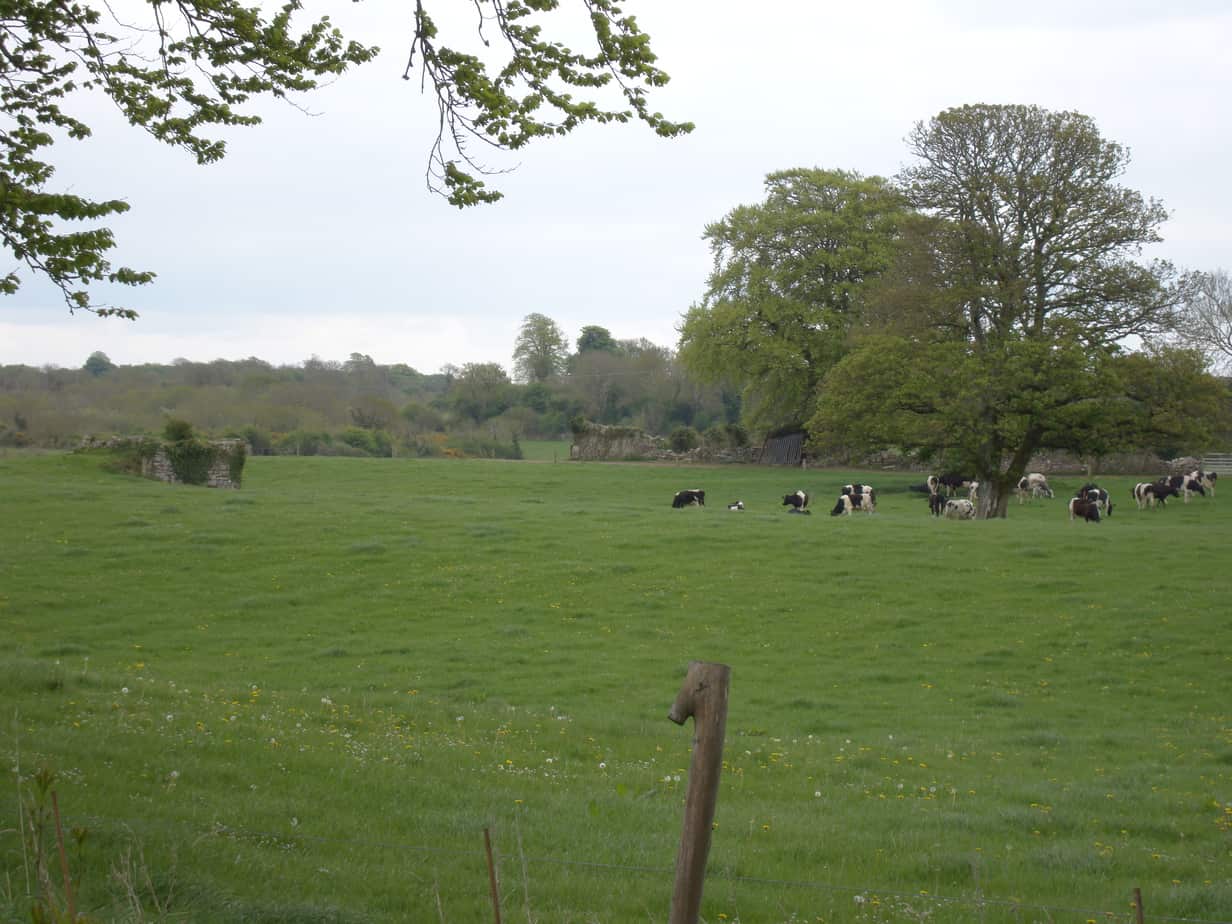
This ruined nunnery near Shanagolden holds a room with one of the best names in Ireland: the Black Hag’s Cell. The story goes that the last abbess practised witchcraft there. A nastier tale has a Countess of Desmond buried alive. Both belong firmly to folklore.
The history: The Irish name is Mainistir na gCailleach Dubh (MAN-ish-ter nuh GAL-yukh DUV), the Abbey of the Black Nuns. It was an Augustinian nunnery, first recorded in 1298 and closed around 1541.
Here’s the clever bit. Cailleach can mean a hag, but cailleach dhubh was an old Irish term for a nun. A 1904 study by Wardell and Westropp suggests the “Black Hag’s Cell” was probably a sacristy. Less spooky, admittedly.
Can you visit? The ruins stand in farmland. View them from the lane, or ask locally for the landowner’s permission before you cross any field.
15. Coolbawn House, Co. Wexford
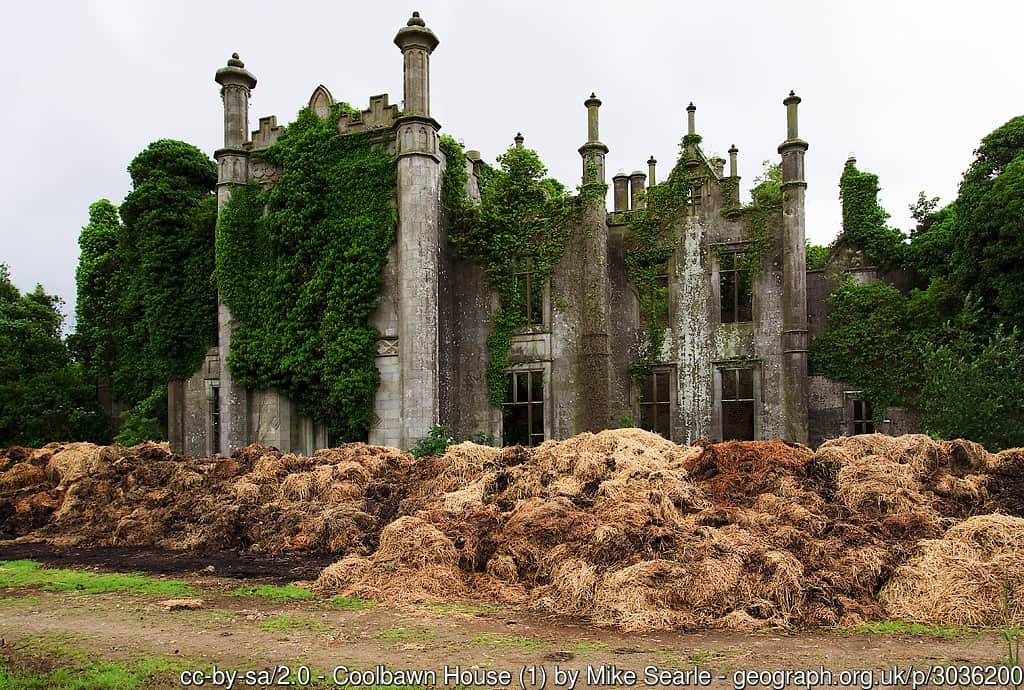
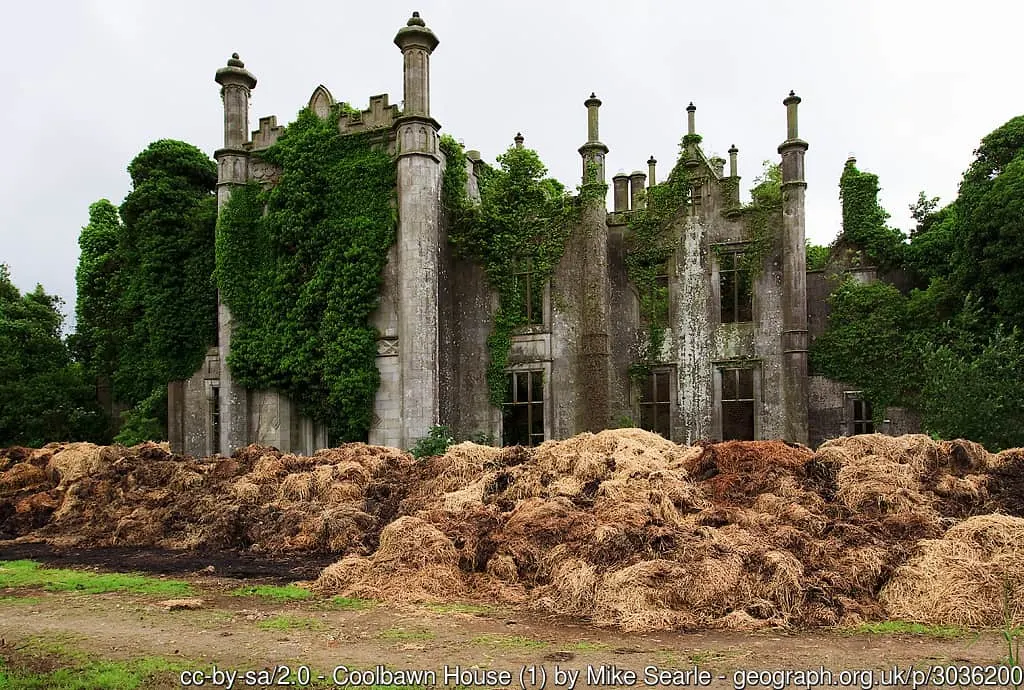
The tale most often told is of a servant girl killed by lightning at an upstairs window. According to the story, her outline was left on the glass, and she is still seen there on stormy nights. I can find no old source for it, but it suits the place.
The history: Coolbawn is a 19th-century house built for the Bruen family, and locals reputedly nicknamed it Bruen’s Folly. It was burned in the 1920s and is now a roofless ruin.
Can you visit? No. It sits on private land and the stonework is unsafe. Look from the public road only.
Haunted Places Closed This Halloween: St Michan’s and Wicklow Gaol
The mummies of St Michan’s Church in Dublin were a classic ghoulish day out. An intruder set fire to the crypt in June 2024, and crypt tours stopped. They had not resumed by autumn 2026, and Visit Dublin lists the church as temporarily closed.
Wicklow Gaol is closed for renovation and says it is “reopening soon”. Check wicklowgaol.ie before you travel.
Plan a haunted road trip
In Offaly, Leap and Charleville share a county, though for now you’ll mostly admire both from outside. Kyteler’s Inn and Duckett’s Grove make a good Kilkenny and Carlow run.
In Cork, do the gaol, then Charles Fort in Kinsale, waving at Belvelly on the road to Cobh. In Dublin, climb to the Hellfire Club, see Captain Boyd’s statue, then take the train to Malahide. For longer drives, see my best Irish road trips.
Haunted Places in Ireland FAQ
What is the most haunted place in Ireland?
Leap Castle in Co. Offaly usually takes the title, thanks to the Bloody Chapel and the Elemental. Charleville Castle and Loftus Hall are its main rivals. “Most haunted” is a boast, not a measurement.
Can you visit Leap Castle?
Only with the owners’ agreement. It is the Ryan family’s private home, and visiting arrangements change, so confirm before you travel.
Is Loftus Hall open to the public?
No. Tours stopped in 2020, and a new owner bought it in 2025 with reported plans for a hotel. For now you can only see it from the road.
Can you stay the night in a haunted castle in Ireland?
Yes. Ballygally Castle in Co. Antrim is a working hotel, so you can book a room in a castle built in 1625. Ask at reception about the turret Ghost Room.
What are the most haunted places in Dublin?
The Hellfire Club, Captain Boyd’s dog at St Patrick’s Cathedral and Malahide Castle are the big three you can visit. St Michan’s crypt closed after a 2024 arson attack and had not reopened by autumn 2026.
Are there ghost tours in Ireland at Halloween?
Yes. Cork City Gaol runs Wanda’s Black Cat Mystery from 26 October to 1 November 2026, and the Malahide Samhain Festival runs from 17 to 31 October. Book on the official sites.
More Irish Halloween reading
- How the Irish Invented Halloween
- Banshee: The Wailing Women of Irish Folklore
- The Dullahan: Ireland’s Headless Horseman
- The Púca: Ireland’s Halloween Shape-Shifter
- Changelings in Irish Folklore
- The Irish Vampire
- Cat Sìth: The Fairy Cat
Love this? Save it to your Pinterest board for later.
A little bit of Ireland in your inbox every Friday ☘️
The free Weekly Dose of Irish: an Irish joke, a Celtic symbol, an Irish fact, a poem and the week’s best articles in one short email. Join 9,600+ readers.
Free. One short email every Friday. Unsubscribe any time.