Skip to Content

Irish Blessings: 100 for Every Occasion, in English and Irish (and Which Are Really Old)

100 Irish blessings for every occasion, in English and Irish with easy pronunciation: the 10 most famous, short ones for cards, everyday blessings in Irish, and blessings for family, friends, a new baby, travel, luck, health, Christmas, weddings, birthdays, St Patrick’s Day, grace and sympathy. Each is labelled with where it really comes from, plus the famous ‘old Irish blessings’ that turn out to be modern.
Read More about Irish Blessings: 100 for Every Occasion, in English and Irish (and Which Are Really Old)

Happy Birthday in Irish: How to Say Lá Breithe Sona Duit (and Sing It)

Happy birthday in Irish is Lá breithe sona duit, literally “a happy day of birth to you”. Here’s how to pronounce it in each dialect, why it’s sona and not shona, how to say it to Mam, Dad, Granny or your love, old wishes like Go maire tú an lá, how to sing it to the usual tune, card messages, and the Irish birthday customs that are real (plus two online “Irish traditions” that need a second look).

Read More about Happy Birthday in Irish: How to Say Lá Breithe Sona Duit (and Sing It)

Irish House Blessing: New Home Blessings, Housewarming Customs and Where ‘Bread, Salt and Wine’ Comes From

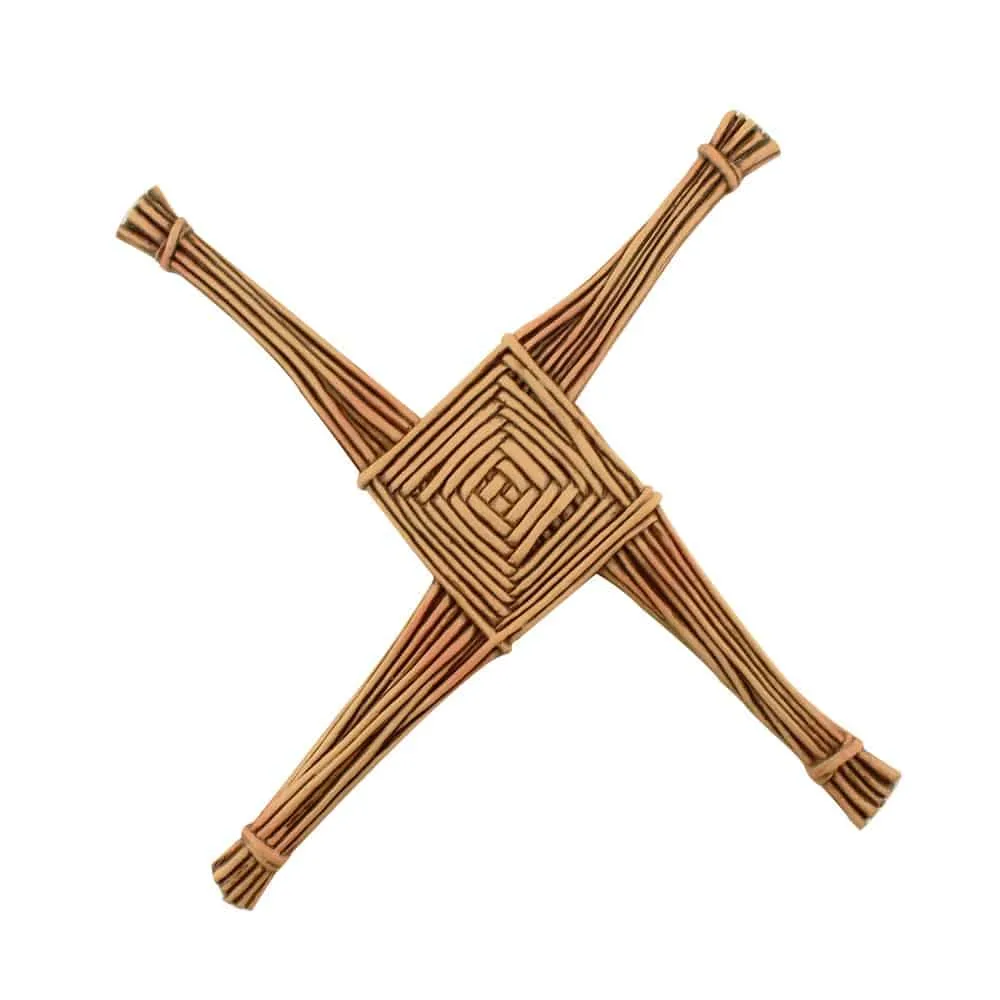
Real Irish house blessings for a new home, in English and Irish with pronunciations, and the moving-in customs Irish schoolchildren recorded in the 1930s: salt and holy water first, bread and a sod of turf, a Brigid’s cross and a horseshoe over the door, and ‘Saturday flit, short sit’. Plus where the bread, salt and wine blessing first appears (It’s a Wonderful Life, 1946) and why ‘Bless the four corners of this house’ is an American poem.

Read More about Irish House Blessing: New Home Blessings, Housewarming Customs and Where ‘Bread, Salt and Wine’ Comes From

Good Luck in Irish: Ádh Mór, Go nÉirí Leat and 30 Ways to Wish Someone Luck

Good luck in Irish is ádh mór (great luck) or go n-éirí leat (may it go well with you), the same verb hiding in ‘May the road rise up to meet you’. Here are 30 ways to wish someone luck: 24 in Irish for exams, the Leaving Cert, interviews, new jobs, journeys and match days, each with its literal meaning and pronunciation, plus six popular English ‘Irish blessings’ marked genuine or modern, and the real Irish folklore of magpies, horseshoes and the four-leaf clover.

Read More about Good Luck in Irish: Ádh Mór, Go nÉirí Leat and 30 Ways to Wish Someone Luck

Thank You in Irish: How to Say Go Raibh Maith Agat (and What It Really Means)

Thank you in Irish is go raibh maith agat, literally “may there be good at you”. Here’s how to say it to one person or a group, the bigger go raibh míle maith agat and míle buíochas, how to say thank you for something, the replies (tá fáilte romhat, ná habair é, go ndéana a mhaith duit), Munster, Connacht and Ulster pronunciations, how the Irish say thanks in English, thank-you card wording and Happy Thanksgiving in Irish.

Read More about Thank You in Irish: How to Say Go Raibh Maith Agat (and What It Really Means)

Irish Names for Grandma and Grandpa: Mamó, Móraí, Daideo and More (With Pronunciation)

The real Irish names for grandma and grandpa: Mamó, Móraí, seanmháthair, Daideo and seanathair, with dictionary-checked pronunciations, regional notes, the English names Irish families use, words for great-grandparents and grandchildren, card wording in Irish, and the “Gaelic grandma names” on gift sites that are really Welsh, Scottish or misspelled.

Read More about Irish Names for Grandma and Grandpa: Mamó, Móraí, Daideo and More (With Pronunciation)

Old Irish Curses: Cursing Stones, the Widow’s Curse and ‘May the Cat Eat You’

Old Irish curses were wishes of real harm, not swear words. Here are the bardic satires said to raise blisters, the widow’s and priest’s curses from the 1930s Schools’ Collection, the cursing stones of Killinagh and Inishmurray, a dozen real curses in Irish with pronunciations (and the truth about ‘may the cat eat you’), and the legend of the 1951 Mayo curse, laid to rest by Mayo’s All-Ireland win in July 2026.

Read More about Old Irish Curses: Cursing Stones, the Widow’s Curse and ‘May the Cat Eat You’

Anam Cara Meaning: How Ireland’s Soul Friend Went From Confessor to Soulmate

Anam cara is Irish for soul friend. Here’s what anam and cara mean, how to say and spell it (anamchara, m’anamchara, never mo anam cara), the soul friends and confessors of the early Irish church, the truth about St Brigid’s ‘body without a head’ saying, John O’Donohue’s 1997 bestseller, and how to write it on a card, ring or tattoo.

Read More about Anam Cara Meaning: How Ireland’s Soul Friend Went From Confessor to Soulmate

Irish Grace Before Meals: Table Blessings in Irish and English, and Where They Really Come From

Irish grace before meals, in Irish and English with plain pronunciations: the five loaves blessing Douglas Hyde printed in 1906, Beannaigh sinn (Bless us, O Lord in Irish), the grace after meals Moladh leis an Rí nach gann, St Brigid’s lake of ale, old Irish hospitality, the Choctaw gift of 1847 and toasts to end a Thanksgiving meal.

Read More about Irish Grace Before Meals: Table Blessings in Irish and English, and Where They Really Come From

I Love You in Irish: How to Say It, 27 Pet Names and Nana’s Old Words

The usual way to say I love you in Irish is tá grá agam duit, literally “there is love at me for you”. Here’s how to say it to one person or the whole family, what your nana’s alanna, acushla, asthore, mavourneen and machree really mean, why is breá liom thú usually sounds lighter, 27 terms of endearment with pronunciation, the Million Dollar Baby spelling, and what to write in a card.

Read More about I Love You in Irish: How to Say It, 27 Pet Names and Nana’s Old Words

Irish Funeral Blessings and Prayers: Words of Comfort in English and Irish, and Their True Origins

Irish funeral blessings, prayers and readings, with what they mean, how to say them and where they really come from: why “May the road rise to meet you” is read at funerals, the Eternal Rest prayer in English and Irish, Ar dheis Dé go raibh a anam (and a hanam for a woman), how to say “sorry for your trouble” in Irish, what to write in a sympathy card, and three short public-domain Irish poems for a funeral reading.

Read More about Irish Funeral Blessings and Prayers: Words of Comfort in English and Irish, and Their True Origins

Irish Wedding Blessings, Toasts and Readings: What’s Really Irish and How to Say It

Irish wedding blessings, toasts and readings with an honest note on where each comes from: the 1930s folklore toasts to health and long life, the famous English verses (and which are modern), short Irish wishes such as Go maire sibh bhur saol nua with pronunciation, toasts for the best man and father of the bride, and public-domain readings from Yeats, Ledwidge and St Patrick’s Breastplate.

Read More about Irish Wedding Blessings, Toasts and Readings: What’s Really Irish and How to Say It