
Where did 2021 go? During this year, if you have been following, I have been publishing a summary on the top 100 Irish poems list every week. This week it is number 61 on the list. My good friend Seamus Heaney makes yet another appearance on the list.
I always enjoy his poems as he tends to always find just the right imagery without being too dramatic. I also like his poetry because they pack a punch even though some are short.
What is the poem Requiem for the Croppies all about?
Heaney’s poem “Requiem for the Croppies” is a tribute to Irish rebels of the late eighteenth century who resisted English domination of their country. Seamus shows the struggle of Irishmen during the rebellion.
You might also wonder about the title of the poem as it does not give the context unless you know the term Croppies and Requiem.
Croppies referenced the rebels, which were marked by their very short hair. They were Catholic peasants from rural communities that organized themselves into an army to rebel against their Protestant suppressor.
And Requiem was used to describe a token of remembrance, or more particularly, a type of Catholic liturgy for the souls of the departed.
Back then, the British were far more equipped for battle. The term “Vinegar Hill” in the poem relates to the Battle of Vinegar Hill on 21 June 1798.
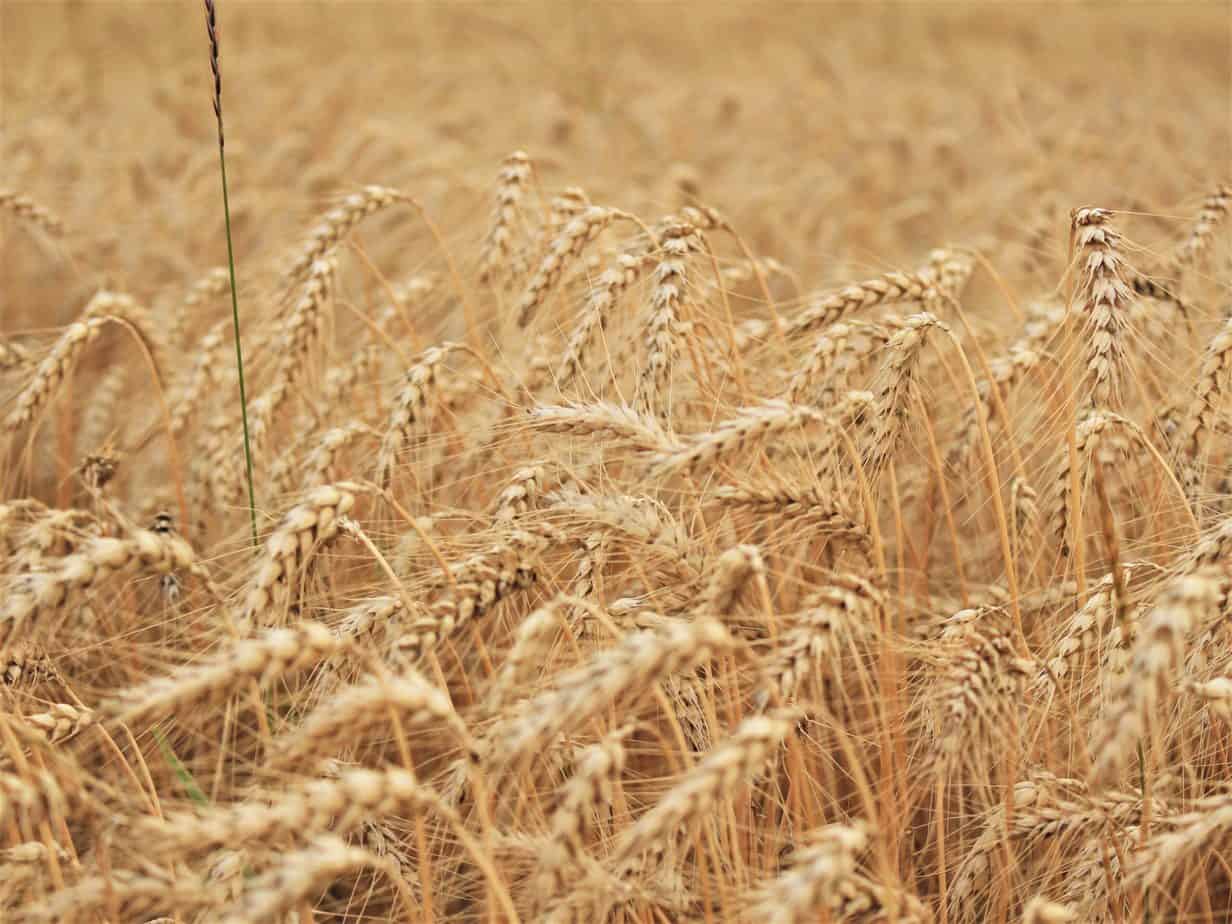
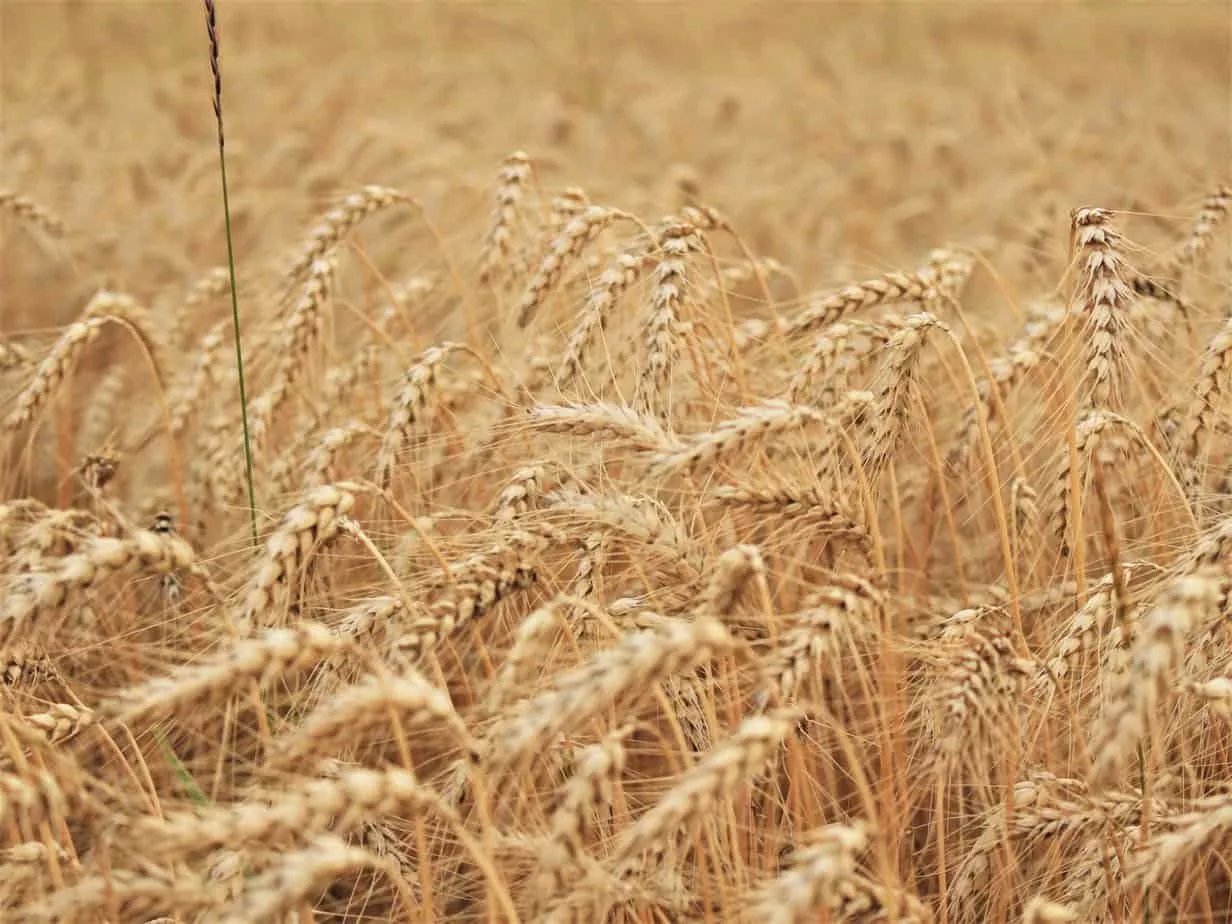
You should also note that the poem opens and closes with the word “Barley”. Barley was not only used for food because there were no kitchens available. But it also was a symbol of the rebel spirit. As Heaney says in the last line/stanza, “And in August the barley grew up out of the grave.”
The barley was a symbol of the rebel spirit that could not be killed, unlike the mortal bodies of the rebels themselves.
 Deep stuff indeed. Here are a few thoughts on this deep and emotional top Irish poem.nbsp;
Requiem for the Croppies
And in August the barley grew up out of the grave.
Requiem for the Croppies remembers the rebels of 1798, nicknamed croppies for their close-cropped hair. It is spoken in the voice of the rebels themselves, a ragged army of country people up against a far better armed enemy. It ends with their slaughter at Vinegar Hill, near Enniscorthy in Co. Wexford, in June 1798.
The poem is a sonnet, packed tight with movement and noise before the final crash. Barley is its central symbol. The grain the rebels carried as food goes into the ground with them and comes up again that same summer, a sign that the cause outlived the men who died for it.
Heaney wrote it in 1966, the fiftieth anniversary of the Easter Rising, and it appeared in his second collection, Door into the Dark (1969). Rather than celebrate 1916 directly, he went back to the earlier rising that he saw as its seed.
The full poem is not published online by an authorised source. You will find it in Door into the Dark (Faber and Faber).