
Sailing to Byzantium is a powerful Irish poem. Another week, another Yeats poem! He features so many times in the top 100 Irish poems list that it is hard not to feature him. The central theme behind this beautiful poem is man vs eternity and nature. It comes in at number 13 on the top 100 Irish poems list.
I would have to say that of all of Yeats’s poems; this one is a powerful poem. And if you, for some reason, don’t know who W.B Yeats is, William Butler Yeats was a Nobel Prize-winning Irish writer, widely considered to be one of the greatest poets of the 20th century.
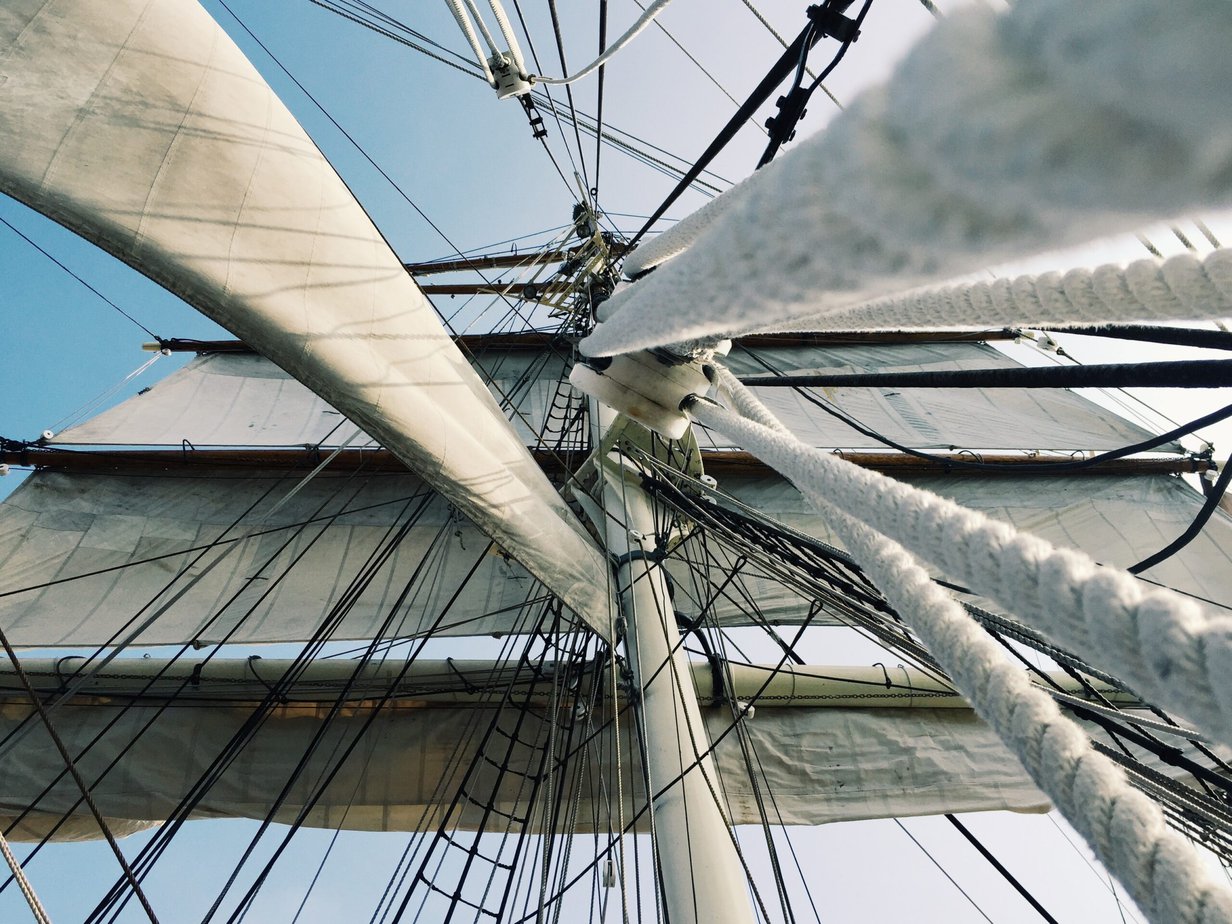
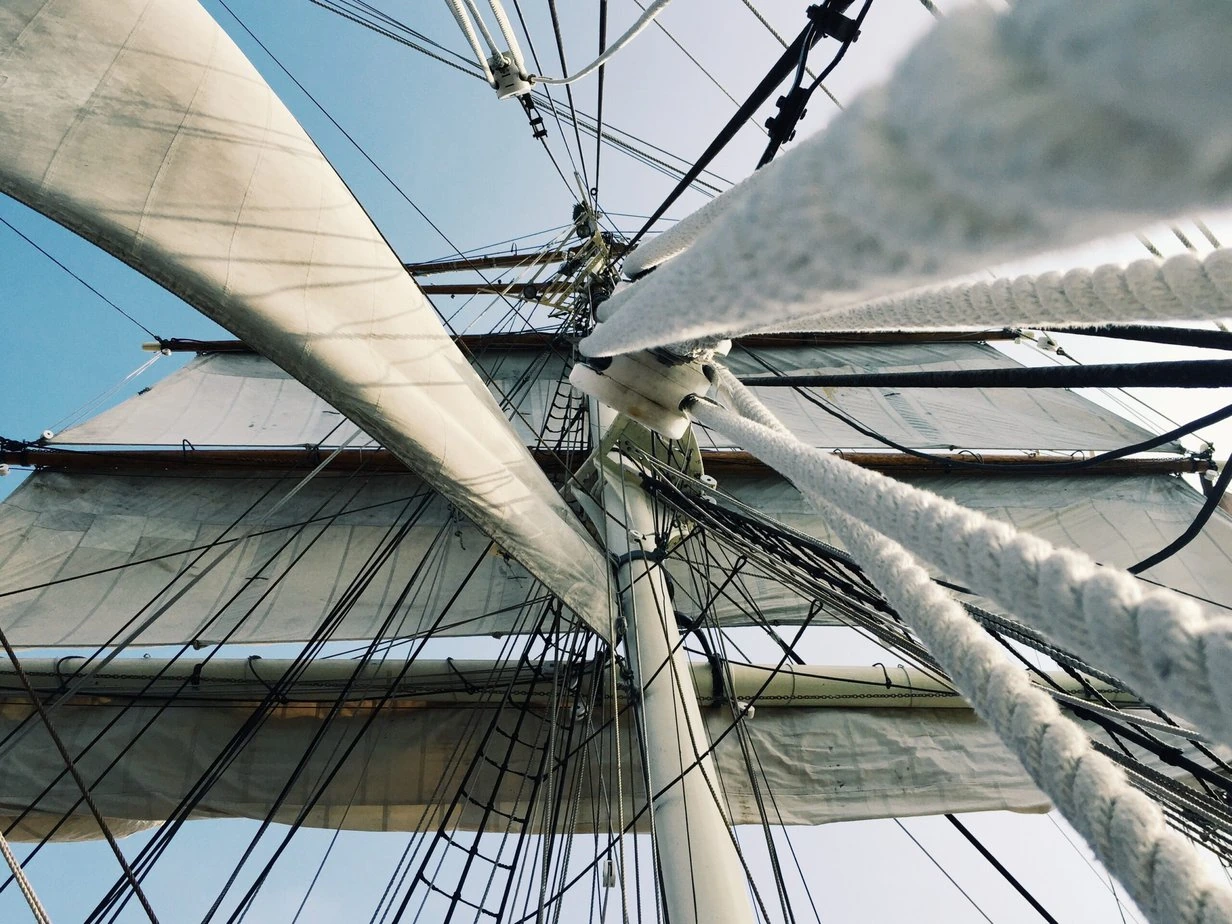
Written in 1926 and included in Yeats’s most outstanding single collection, 1928’s The Tower. I guess as we know, the older we get, the more we tend to look back on life. This was certainly evident in last week’s Irish poem Another September. Yeats really goes into the difficulty of keeping one’s soul alive in a fragile, failing human body. Yeats is leaving Ireland to sail to Byzantium, an ancient Greek city.
I hope you enjoy this once again wonderful Irish poem by W. B Yeats.
Sailing to Byzantium
Sailing to Byzantium: meaning and analysis
Yeats wrote “Sailing to Byzantium” in 1926, in his early sixties, and it opens his great 1928 collection The Tower.
What it means
The speaker is an old man who feels out of place in a world full of youth, love and new life, where everyone is caught up in “sensual music” and forgets the things that last. So he sets sail for Byzantium, the old name for Constantinople, which for Yeats stood for a civilisation where art, religion and craft were one.
There he asks the sages to free his soul from his ageing, “dying animal” of a body, and to gather him “into the artifice of eternity”. In the last stanza he imagines being reborn not as a living thing but as a golden bird made by a goldsmith, singing to the lords and ladies of Byzantium. It’s a poem about growing old, and about whether art can outlast the body.
The first line, “That is no country for old men”, gave Cormac McCarthy the title of his novel No Country for Old Men.
Form
Four stanzas of ottava rima, eight lines of iambic pentameter rhyming ABABABCC, a stately form that suits the poem’s ceremonial voyage.
Key themes
- Ageing and mortality
- Art and immortality
- The body and the soul
More Irish poems
- The Lake Isle of Innisfree by W. B. Yeats
- Easter, 1916 by W. B. Yeats
- When You Are Old by W. B. Yeats
A little bit of Ireland in your inbox every Friday ☘️
The free Weekly Dose of Irish: an Irish joke, a Celtic symbol, an Irish fact, a poem and the week’s best articles in one short email. Join 9,600+ readers.
Free. One short email every Friday. Unsubscribe any time.