Montserrat at a glance
- A British Overseas Territory in the Caribbean, nicknamed “the Emerald Isle of the Caribbean”.
- In 1678, about 70% of the island’s white settlers were Irish, by far the highest share in the Leeward Islands.
- St Patrick’s Day has been a public holiday since 1985. It also marks a planned uprising by enslaved Africans on 17 March 1768.
- Visitors can get a shamrock stamp in their passport on arrival.
- The Soufrière Hills volcano buried the capital, Plymouth, after 1995, and around two-thirds of the population left.
Montserrat is a small, green, mountainous island in the Caribbean, and it is about as Irish as anywhere outside Ireland. Irish surnames are everywhere, the island’s flag shows Erin, the female figure of Ireland, holding a harp, and it’s the only country outside Ireland where St Patrick’s Day is a public holiday. Some older Montserratians are even said to have a lilt that reminds visitors of Cork or Kerry.
But the story of how the Irish got there, and why Montserrat celebrates St Patrick’s Day, is more complicated than a green parade.
How the Irish came to Montserrat
In the 1630s, Irish Catholics began settling on Montserrat, many of them moving over from St Kitts, where English Protestant settlers made life difficult for them. More followed in the 1650s, after Oliver Cromwell’s conquest of Ireland, when thousands of Irish people were transported to the Caribbean as indentured servants and prisoners.
By the time Governor William Stapleton took the first census of the Leeward Islands in 1678, about 70% of Montserrat’s white population described themselves as Irish: close to 1,900 men, women and children. On nearby St Kitts the figure was just 10%.
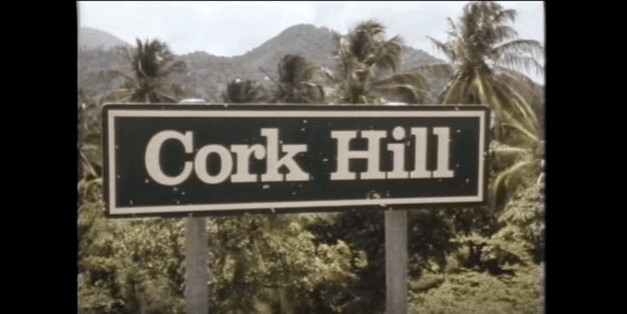
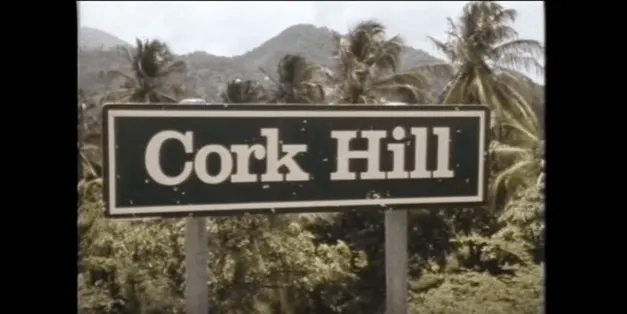
The story doesn’t end with Irish victims, though. Over time, many Irish settlers became landowners themselves, and some of them owned enslaved Africans who were brought to the island to work the sugar plantations. Today most Montserratians are of African descent, and the Irish surnames, place names like Cork Hill and Kinsale, and the shamrocks are the traces of that shared and painful history.
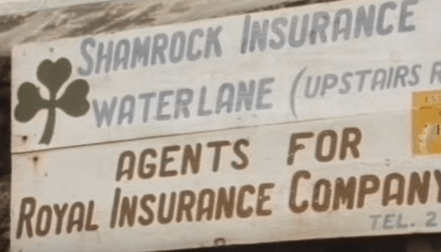
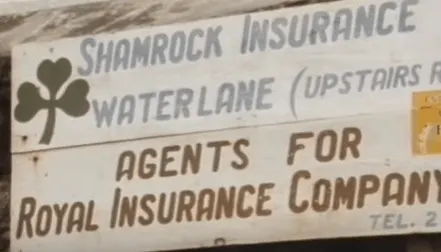
Even the insurance company was Irish.
What “Black Irish” means here
In Ireland and America, “Black Irish” usually describes Irish people with dark hair and eyes. On Montserrat it has come to mean something different: Montserratians of African heritage who carry Irish surnames and traditions, often because Irish planters gave their names to the people they enslaved, and sometimes through Irish ancestry. It’s a heritage many islanders are proud of, but it was born out of slavery, and Montserratians tell that side of the story too.
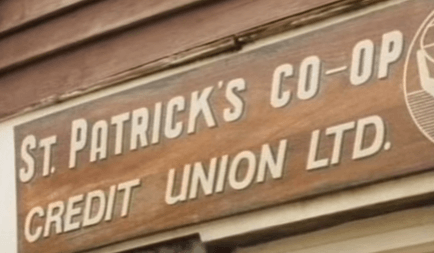
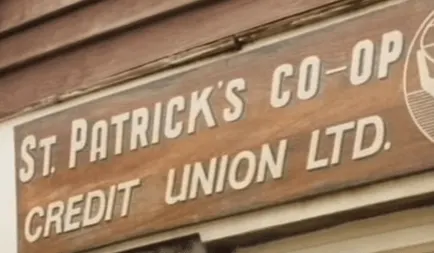
Why St Patrick’s Day is a holiday on Montserrat
On 17 March 1768, enslaved Africans on Montserrat planned to rise up against the island’s planters. They chose St Patrick’s Day because they knew the Irish and other planters would be celebrating and drinking heavily. The plan was discovered before it could happen, and those involved were brutally punished.
In 1985, Montserrat made St Patrick’s Day a public holiday to honour that rebellion. Today it’s the centrepiece of a week-long festival with music, masquerade dancers, a freedom run and plenty of Irish touches. Arrive around then (or any time) and immigration may give you a shamrock stamp in your passport.
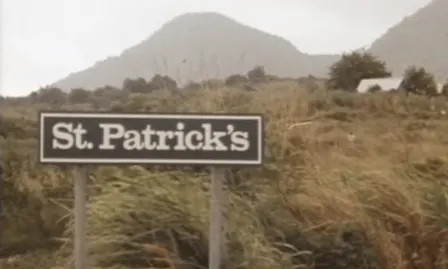
Michael D. Higgins and “The Other Emerald Isle”
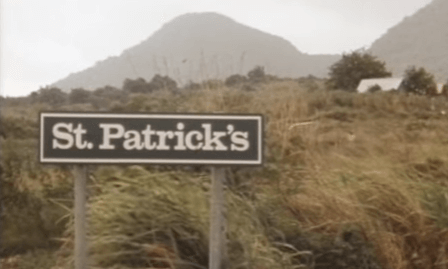
The film below, The Other Emerald Isle, was written and presented by Michael D. Higgins for Channel 4 in 1986, long before he became President of Ireland. Back then he was a politician and lecturer from University College Galway, and he travelled to Montserrat to explore its Irish past, including the hard truths about who owned whom.
The volcano that changed everything
In July 1995, the Soufrière Hills volcano, quiet for centuries, erupted. Over the following years ash and pyroclastic flows buried the capital, Plymouth, under metres of mud and rock, destroyed the airport and port, and made the southern half of the island uninhabitable. Around two-thirds of the population left, many of them for the UK.
Plymouth is now a ghost town, sometimes called the Pompeii of the Caribbean. The island’s population has slowly recovered to roughly 5,000, and a new capital is being built at Little Bay in the north. The volcano is still monitored around the clock.
Visiting Montserrat
Montserrat is reached by a short flight or ferry from Antigua, and St Patrick’s week in March is the best time to see its Irish side. It’s quiet, friendly and still well off the tourist trail, which is exactly why people love it.
Have you been to Montserrat, or do you have a Montserrat connection? Tell us in the comments.
Love this? Save it to your Pinterest board for later.
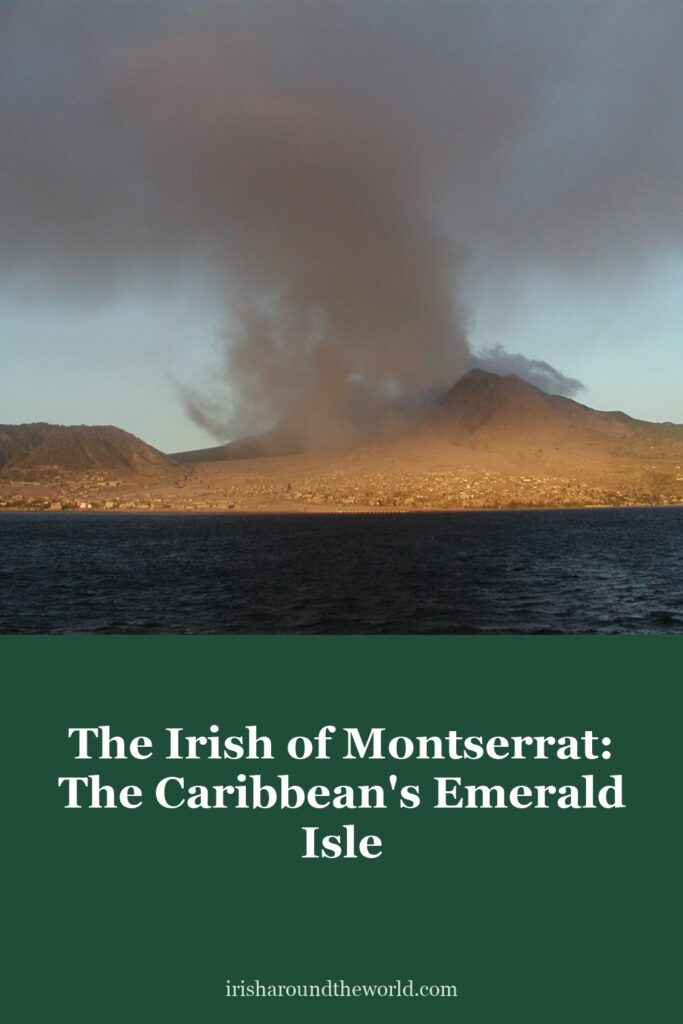
Featured and pin photo: Soufrière Hills and Plymouth, Montserrat, by MikeSchinkel, CC BY 2.0, via Wikimedia Commons.
A little bit of Ireland in your inbox every Friday ☘️
The free Weekly Dose of Irish: an Irish joke, a Celtic symbol, an Irish fact, a poem and the week’s best articles in one short email. Join 9,600+ readers.
Free. One short email every Friday. Unsubscribe any time.