We didn't find any posts for your search term.
Latest Posts
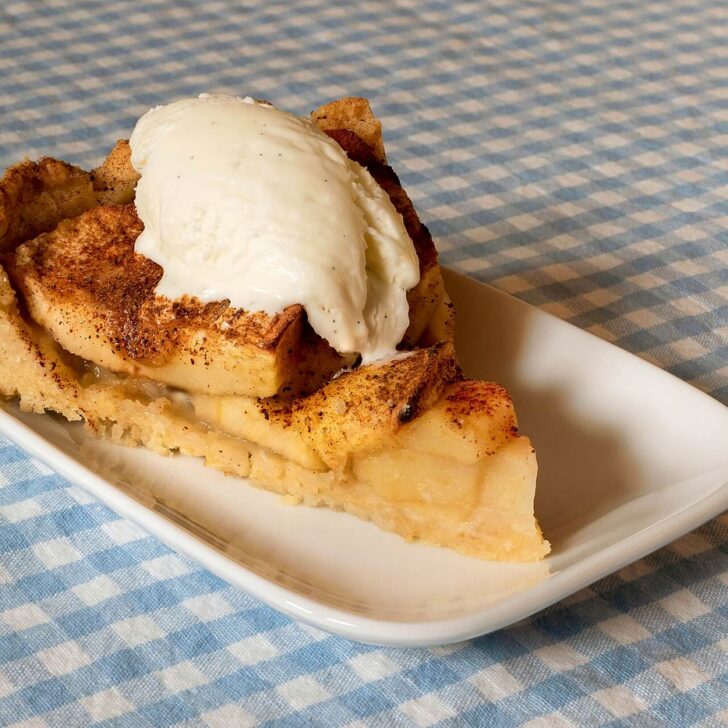
A proper Irish apple cake recipe in metric and US cups: a soft sponge baked around sharp Bramley apples, with a buttery crumble top and a real egg custard to pour over. Then Granny Smith swaps for US bakers, apple and blackberry, almond and gluten-free variations, storing and freezing, why the Bramley (an English apple whose first recorded sale fell on Halloween 1862) became the apple Irish bakers reach for, how Armagh became the Orchard County, the 1930s Halloween suppers where an apple cake hid a ring and a button, the apples of the Irish Otherworld, and the difference between an Irish apple tart, apple cake and apple crumble.
Read More about Irish Apple Cake Recipe: The Warm Bramley Bake You Drown in Custard
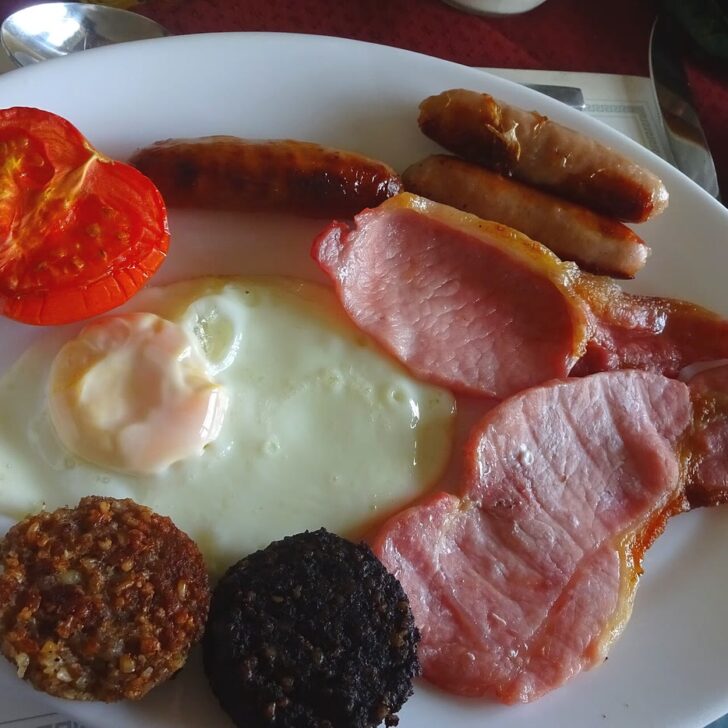
The full Irish breakfast explained: rashers, sausages, black and white pudding, eggs, grilled tomato, mushrooms and soda bread, plus the baked bean debate, boxty and the Ulster fry with its soda farls and potato bread. Then a step-by-step recipe that gets everything hot at once, what the puddings are really made of, the real history from pig killings and stirabout to the Celtic Tiger breakfast roll, where to buy Irish rashers abroad, and whether a fry really cures a hangover.
Read More about Full Irish Breakfast: What Goes on the Plate and How to Get It All Hot at Once
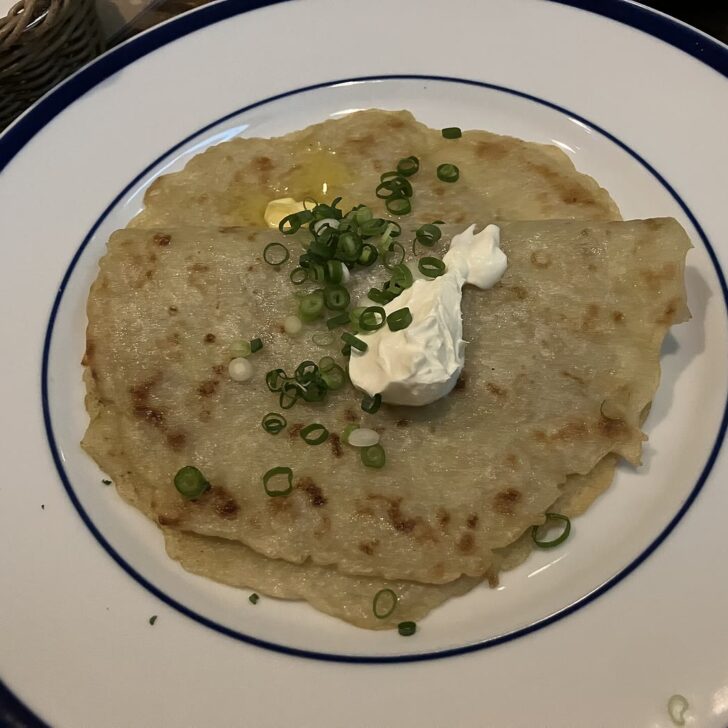
A proper pan boxty recipe in metric and US measures: grated raw potato squeezed dry, mashed potato, flour and buttermilk, cooked on a griddle. Then tips on squeezing and griddle heat, filled-pancake and dumpling variations, the three old kinds of boxty (pan, boiled and loaf), where boxty comes from county by county, how it differs from potato cakes, the honest story of the name bacstaí (poor-house bread or bakehouse?), the ‘Boxty on the griddle’ rhyme from the 1930s Schools’ Collection, and William Carleton’s 1841 description of boxty as an Irish luxury.
Read More about Boxty Recipe: The Irish Potato Pancake That Came With a Marriage Warning
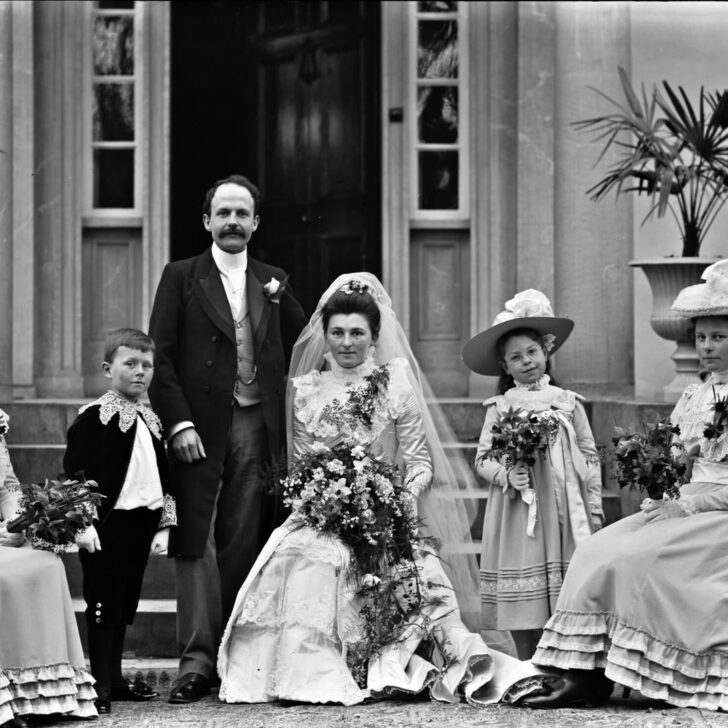
Irish wedding traditions, sorted honestly into old, borrowed and new: Shrove weddings and Skellig lists, matchmakers and the fortune, strawboys in straw disguises, cake broken over the bride’s head, the Claddagh ring, uilleann pipes and the afters, plus why the hand-tying handfasting ceremony, the magic hanky and the make-up bell look modern, and ideas for an Irish touch on your own day.
Read More about Irish Wedding Traditions: Strawboys, Shrove Weddings and the ‘Old’ Customs That Aren’t
The Tuatha Dé Danann are the godlike people of medieval Irish legend. Here is what the name means (and the debate over Danu), how the Book of Invasions brings them to Ireland, their four treasures, the two battles of Mag Tuired with Bres, Nuada’s silver hand, Lugh and Balor’s eye, a quick who’s who of their gods, their defeat by the sons of Míl, how they became the aos sí of fairy lore, Newgrange, what scholars think and where to see their places today.
Read More about Tuatha Dé Danann: How Ireland’s Old Gods Lost a War and Became the Fairy Folk
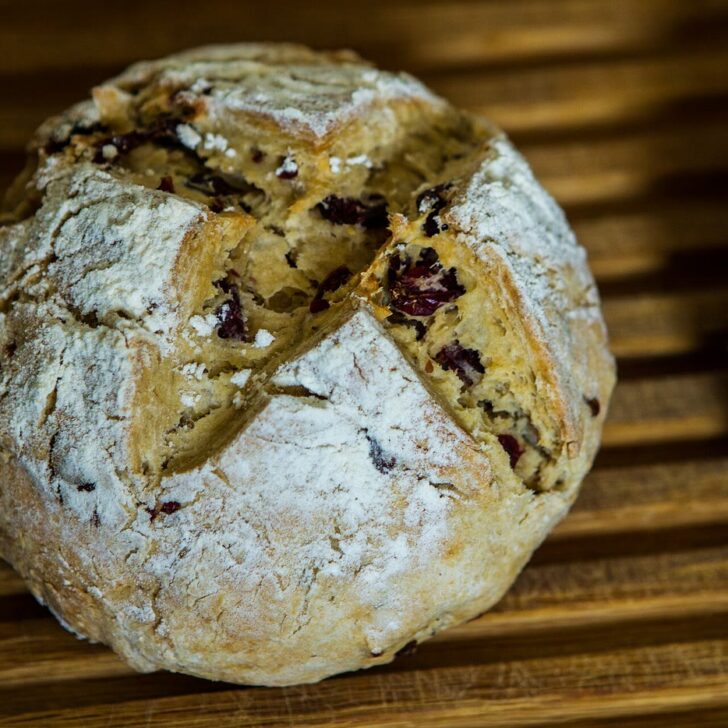
A proper Irish soda bread recipe with four ingredients (flour, bread soda, salt and buttermilk) in metric and US cups, plus brown bread, spotted dog and griddle farl variations, troubleshooting, storage and freezing. Then the real history: the 1836 Newry Telegraph recipe, baking in the bastible over the fire, why the cross on top was meant to bless the bread and keep the fairies off it, farls in Ulster, and how the sweet American Irish soda bread differs.
Read More about Irish Soda Bread Recipe: The 4-Ingredient Loaf With a Cross to Keep the Fairies Away
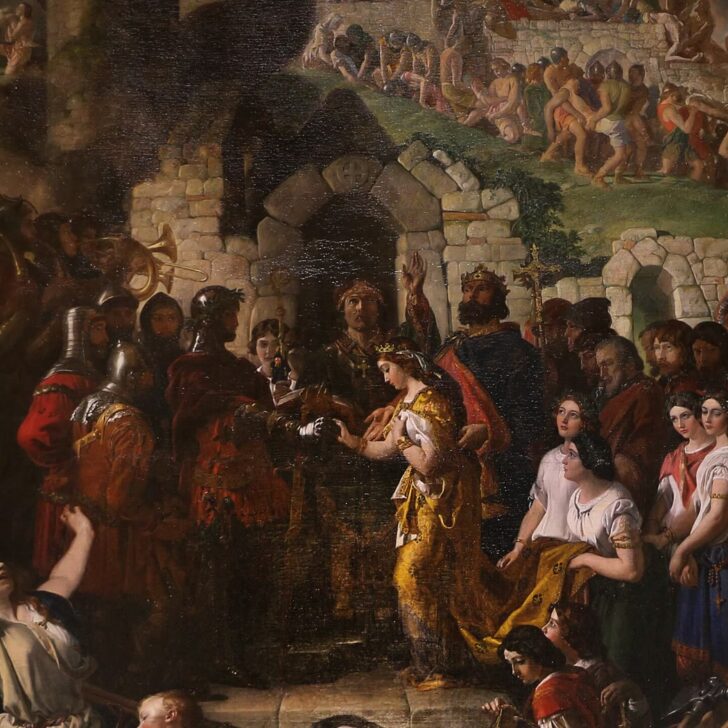
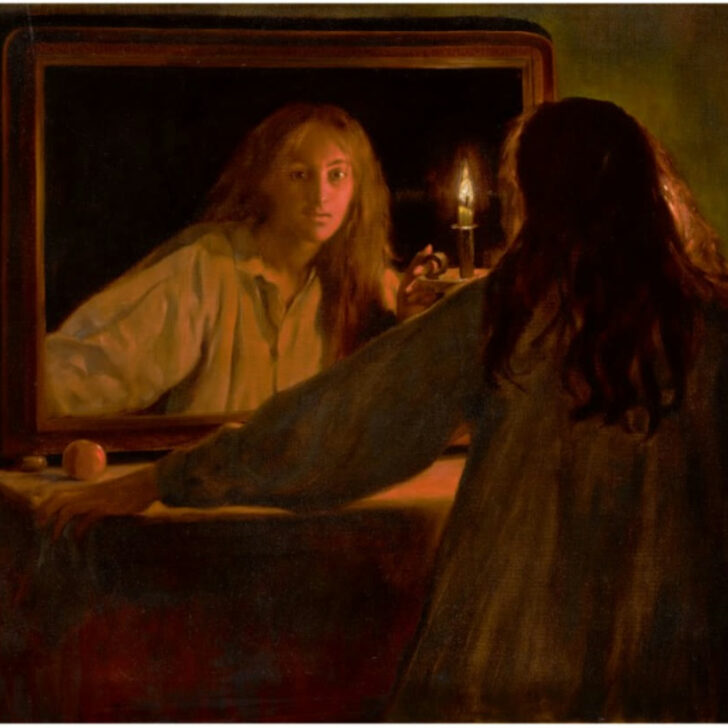
The old Irish Halloween games, from snap apple and apple ducking to burning two named nuts on the fire, the blindfold saucers of water, clay and a ring, egg whites in water, the apple and the mirror at midnight, the wet shirt by the fire and the mischief-night pranks, grounded in the 1930s Schools’ Collection, Vallancey’s 1783 account and Maclise’s Snap-Apple Night, with tips for playing the safe ones with your family today.
Read More about Irish Halloween Games: Snap Apple, Burning Nuts and the Old Spells to See Your Future Spouse
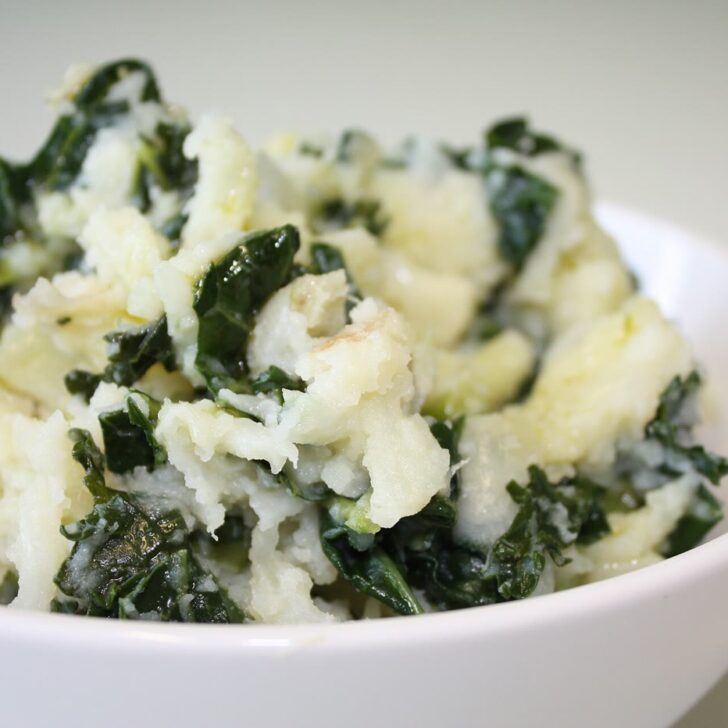
A proper Irish colcannon recipe, with metric and US measures: floury potatoes, kale or cabbage, scallions, hot milk and plenty of butter. Then how to hide a Halloween charm safely, what the ring, coin, button and thimble meant county by county in the 1930s Schools’ Collection, the plates of colcannon left out for the dead, the fairies and the púca, where the name cál ceannann comes from, and how colcannon differs from champ.
Read More about Colcannon Recipe: The Irish Halloween Mash That Hides Your Fortune
Bram Stoker couldn’t stand until he was about seven, became athletics champion of Dublin University, spent over a decade in the civil service at Dublin Castle and reviewed plays unpaid for a paper half-owned by Sheridan Le Fanu before he left for London and wrote Dracula. Here is his Irish life, his mother’s Sligo cholera account, The Snake’s Pass and a lost 1890 ghost story, what his Dracula notes actually prove, which Irish influences are documented (Carmilla) and which are lore (Abhartach, St Michan’s), and where to follow him in Dublin, including the 2026 Bram Stoker Festival.
Read More about Bram Stoker: The Bedridden Dublin Boy Who Grew Up to Write Dracula