Skip to Content

Tuatha Dé Danann: How Ireland’s Old Gods Lost a War and Became the Fairy Folk

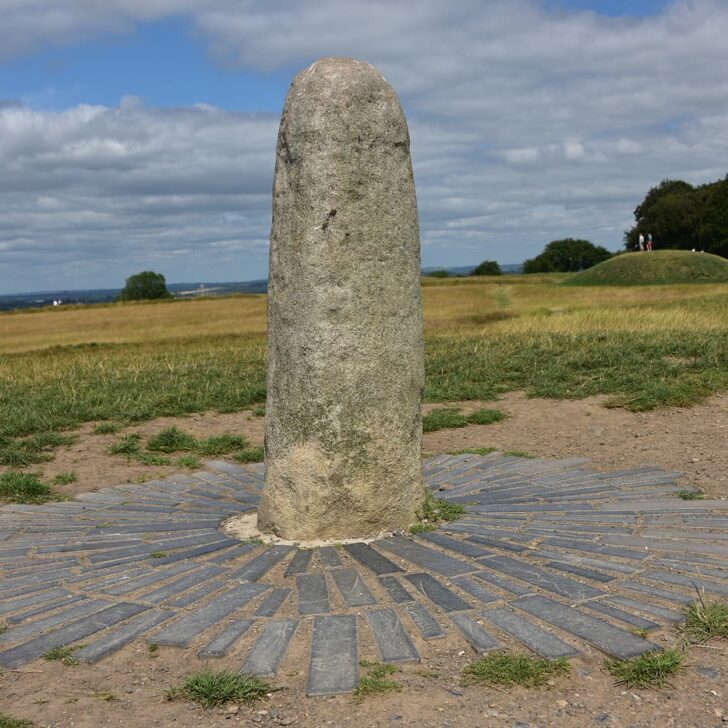
The Tuatha Dé Danann are the godlike people of medieval Irish legend. Here is what the name means (and the debate over Danu), how the Book of Invasions brings them to Ireland, their four treasures, the two battles of Mag Tuired with Bres, Nuada’s silver hand, Lugh and Balor’s eye, a quick who’s who of their gods, their defeat by the sons of Míl, how they became the aos sí of fairy lore, Newgrange, what scholars think and where to see their places today.
Read More about Tuatha Dé Danann: How Ireland’s Old Gods Lost a War and Became the Fairy Folk

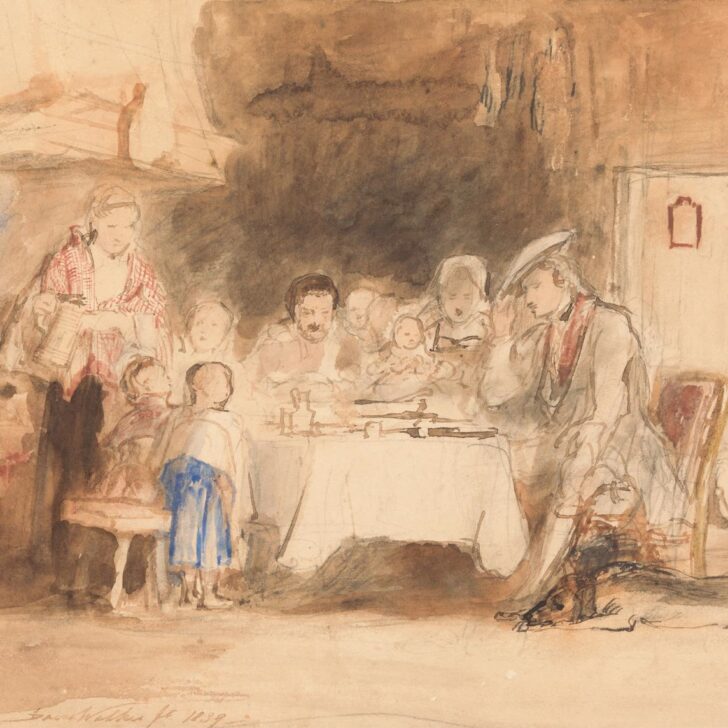
Irish Grace Before Meals: Table Blessings in Irish and English, and Where They Really Come From

Irish grace before meals, in Irish and English with plain pronunciations: the five loaves blessing Douglas Hyde printed in 1906, Beannaigh sinn (Bless us, O Lord in Irish), the grace after meals Moladh leis an Rí nach gann, St Brigid’s lake of ale, old Irish hospitality, the Choctaw gift of 1847 and toasts to end a Thanksgiving meal.

Read More about Irish Grace Before Meals: Table Blessings in Irish and English, and Where They Really Come From

The Aran Sweater: Its Real History, the Drowned Fisherman Myth and What the Stitches Mean

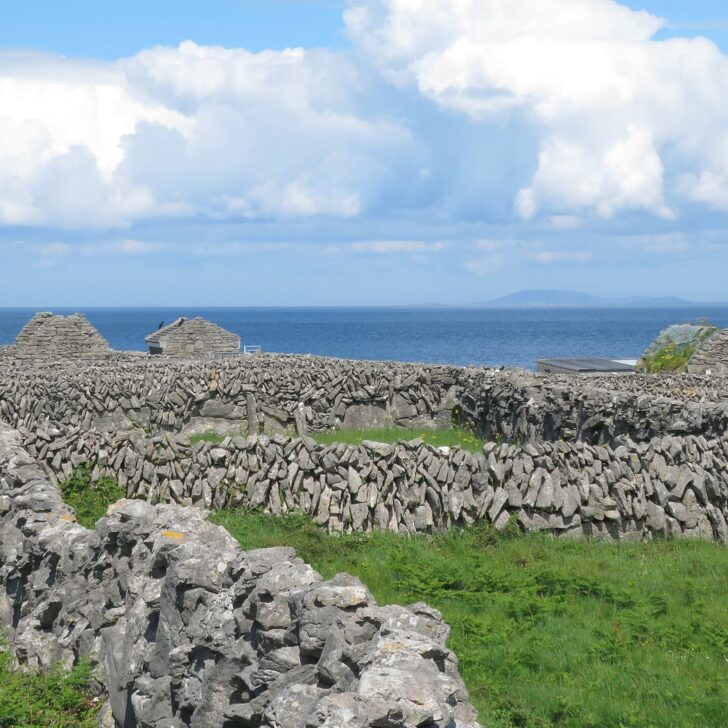
The Aran sweater is younger than its legends. Here’s how knitters on the Aran Islands and along Ireland’s west coast created the cabled geansaí Árann in the early 20th century, where the drowned fisherman myth and the ‘ancient’ stitch meanings really came from, how the Clancy Brothers helped make it famous on The Ed Sullivan Show in 1961, and how to spot a hand-knit, wash it and buy from authentic Irish makers.

Read More about The Aran Sweater: Its Real History, the Drowned Fisherman Myth and What the Stitches Mean

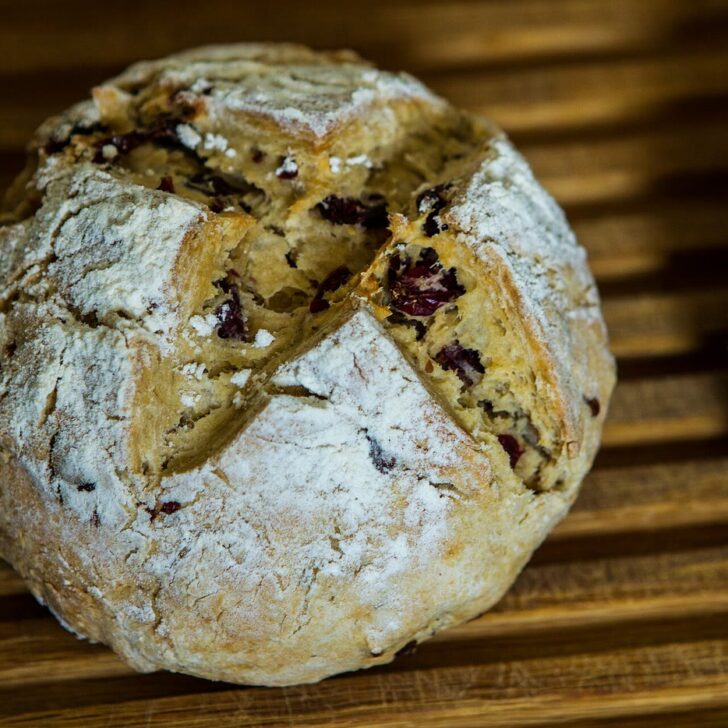
Irish Soda Bread Recipe: The 4-Ingredient Loaf With a Cross to Keep the Fairies Away

A proper Irish soda bread recipe with four ingredients (flour, bread soda, salt and buttermilk) in metric and US cups, plus brown bread, spotted dog and griddle farl variations, troubleshooting, storage and freezing. Then the real history: the 1836 Newry Telegraph recipe, baking in the bastible over the fire, why the cross on top was meant to bless the bread and keep the fairies off it, farls in Ulster, and how the sweet American Irish soda bread differs.

Read More about Irish Soda Bread Recipe: The 4-Ingredient Loaf With a Cross to Keep the Fairies Away

I Love You in Irish: How to Say It, 27 Pet Names and Nana’s Old Words

The usual way to say I love you in Irish is tá grá agam duit, literally “there is love at me for you”. Here’s how to say it to one person or the whole family, what your nana’s alanna, acushla, asthore, mavourneen and machree really mean, why is breá liom thú usually sounds lighter, 27 terms of endearment with pronunciation, the Million Dollar Baby spelling, and what to write in a card.

Read More about I Love You in Irish: How to Say It, 27 Pet Names and Nana’s Old Words

Irish Funeral Blessings and Prayers: Words of Comfort in English and Irish, and Their True Origins

Irish funeral blessings, prayers and readings, with what they mean, how to say them and where they really come from: why “May the road rise to meet you” is read at funerals, the Eternal Rest prayer in English and Irish, Ar dheis Dé go raibh a anam (and a hanam for a woman), how to say “sorry for your trouble” in Irish, what to write in a sympathy card, and three short public-domain Irish poems for a funeral reading.

Read More about Irish Funeral Blessings and Prayers: Words of Comfort in English and Irish, and Their True Origins

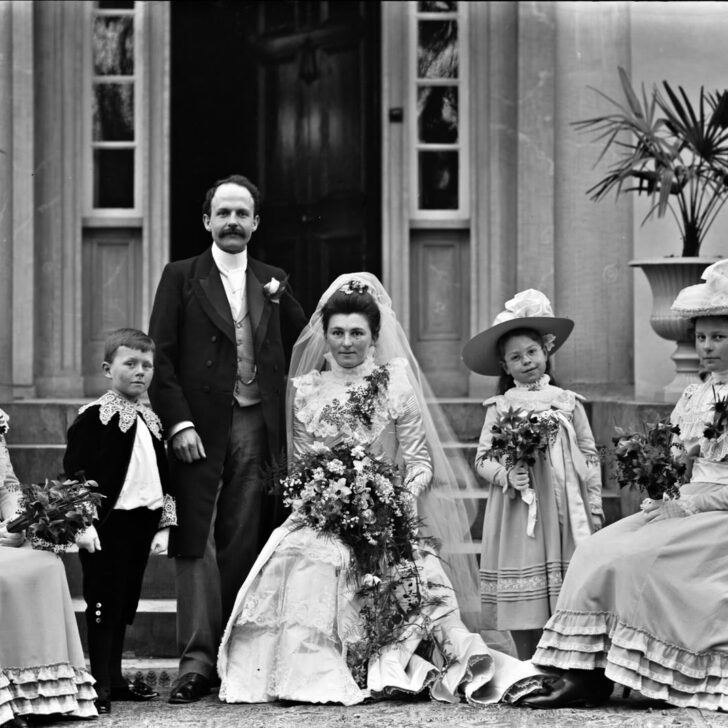
Irish Wedding Blessings, Toasts and Readings: What’s Really Irish and How to Say It

Irish wedding blessings, toasts and readings with an honest note on where each comes from: the 1930s folklore toasts to health and long life, the famous English verses (and which are modern), short Irish wishes such as Go maire sibh bhur saol nua with pronunciation, toasts for the best man and father of the bride, and public-domain readings from Yeats, Ledwidge and St Patrick’s Breastplate.

Read More about Irish Wedding Blessings, Toasts and Readings: What’s Really Irish and How to Say It

Irish Halloween Games: Snap Apple, Burning Nuts and the Old Spells to See Your Future Spouse

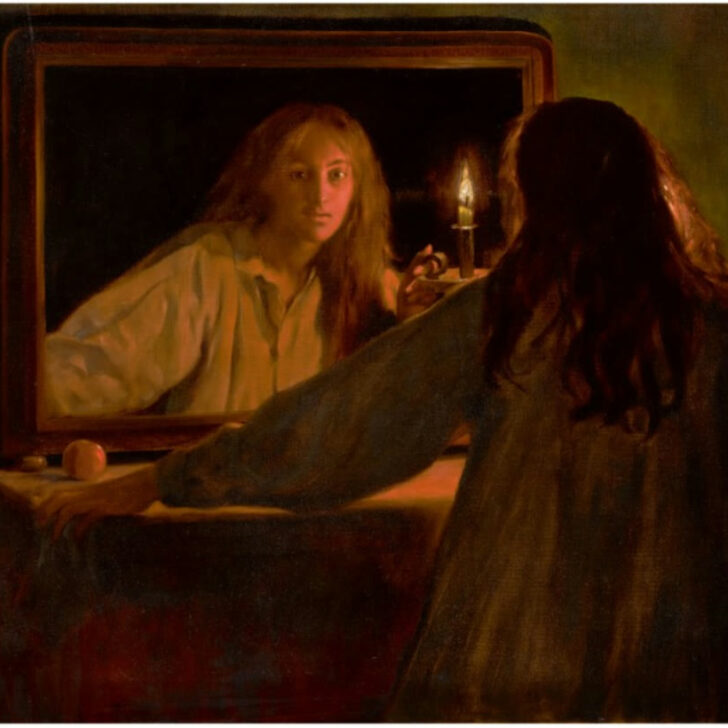
The old Irish Halloween games, from snap apple and apple ducking to burning two named nuts on the fire, the blindfold saucers of water, clay and a ring, egg whites in water, the apple and the mirror at midnight, the wet shirt by the fire and the mischief-night pranks, grounded in the 1930s Schools’ Collection, Vallancey’s 1783 account and Maclise’s Snap-Apple Night, with tips for playing the safe ones with your family today.

Read More about Irish Halloween Games: Snap Apple, Burning Nuts and the Old Spells to See Your Future Spouse

Colcannon Recipe: The Irish Halloween Mash That Hides Your Fortune

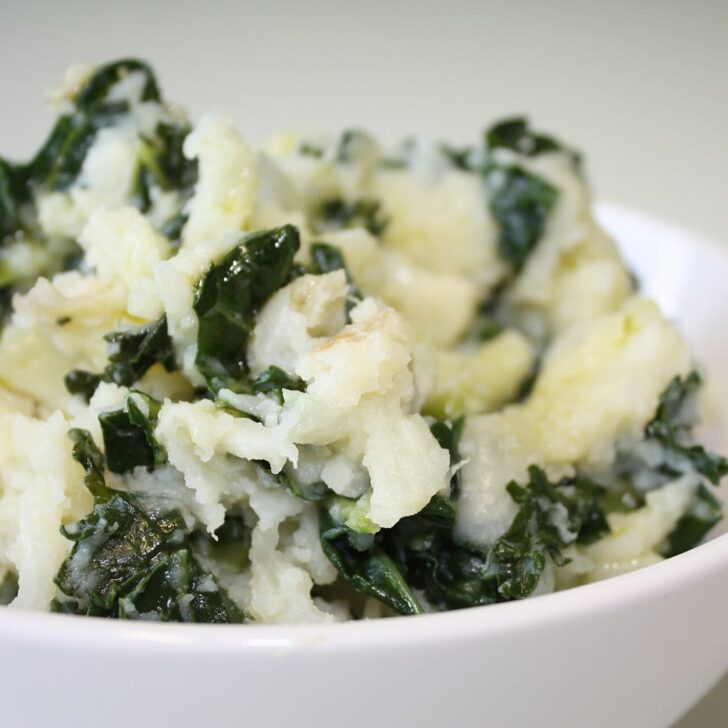
A proper Irish colcannon recipe, with metric and US measures: floury potatoes, kale or cabbage, scallions, hot milk and plenty of butter. Then how to hide a Halloween charm safely, what the ring, coin, button and thimble meant county by county in the 1930s Schools’ Collection, the plates of colcannon left out for the dead, the fairies and the púca, where the name cál ceannann comes from, and how colcannon differs from champ.

Read More about Colcannon Recipe: The Irish Halloween Mash That Hides Your Fortune

Bram Stoker: The Bedridden Dublin Boy Who Grew Up to Write Dracula

Bram Stoker couldn’t stand until he was about seven, became athletics champion of Dublin University, spent over a decade in the civil service at Dublin Castle and reviewed plays unpaid for a paper half-owned by Sheridan Le Fanu before he left for London and wrote Dracula. Here is his Irish life, his mother’s Sligo cholera account, The Snake’s Pass and a lost 1890 ghost story, what his Dracula notes actually prove, which Irish influences are documented (Carmilla) and which are lore (Abhartach, St Michan’s), and where to follow him in Dublin, including the 2026 Bram Stoker Festival.

Read More about Bram Stoker: The Bedridden Dublin Boy Who Grew Up to Write Dracula

Stingy Jack: The Irishman Who Tricked the Devil and Gave the Jack-o’-Lantern Its Name

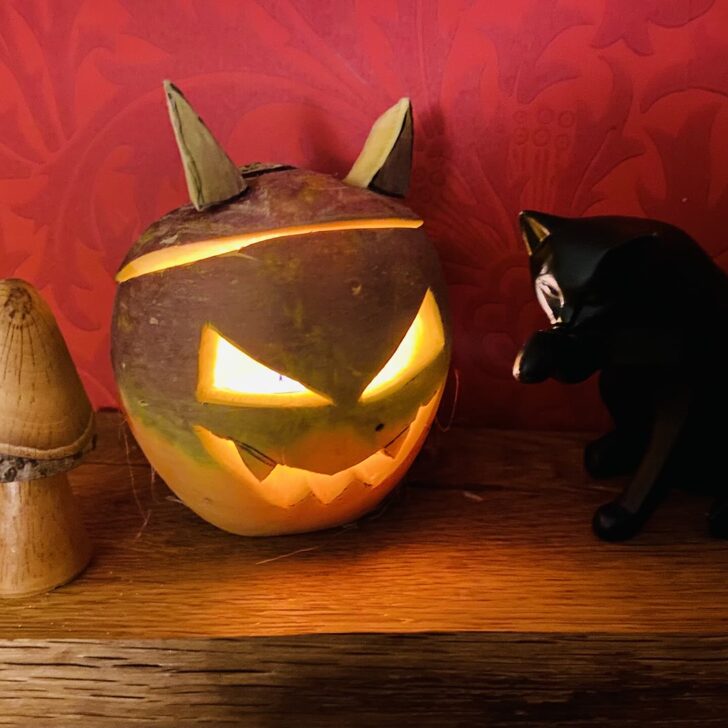
Stingy Jack outwitted the Devil and ended up shut out of Heaven and Hell, wandering with a light. Here is the 1836 Dublin Penny Journal tale, an 1851 poem that calls him Stingy Jack, the many county versions in the 1930s Schools’ Collection, why jack-o’-lantern was a name for a bog light long before a carved lantern, what the records really say about Irish turnip lanterns, how the pumpkin took over in America, and how to carve a turnip lantern safely.

Read More about Stingy Jack: The Irishman Who Tricked the Devil and Gave the Jack-o’-Lantern Its Name

Samhain: The Night the Fairy Mounds Opened and How It Became Halloween

Samhain (SOW-in) is the old Irish festival that began winter on 1 November, and still the Irish word for November. Here’s how to say it, what the medieval tales say (the Ulster Samhain gathering, the Feast of Tara, Nera and the open fairy mounds), where the ‘Celtic new year’ and ‘thin veil’ ideas come from, how All Saints and All Souls met Samhain in Ireland’s own church calendars, the customs the Schools’ Collection recorded, and how Samhain is kept today.

Read More about Samhain: The Night the Fairy Mounds Opened and How It Became Halloween

The Táin: How a Royal Bedtime Row Over a Bull Started Ireland’s Greatest Epic

The Táin Bó Cúailnge, the Cattle Raid of Cooley, is the great epic of Ireland’s Ulster Cycle. Here it is retold from the early translations: Medb and Ailill’s pillow talk at Cruachan, the White-horned and the Brown Bull, Macha’s curse on the Ulstermen, teenage Cú Chulainn holding the fords all winter, his tragic fight with his foster-brother Ferdiad, and the bulls’ last battle. Plus how old the Táin really is, which translation to read, and the places you can still visit in Roscommon, Louth and Armagh.

Read More about The Táin: How a Royal Bedtime Row Over a Bull Started Ireland’s Greatest Epic

Hy-Brasil: The Phantom Island Off Ireland That Mapmakers Drew for 500 Years

Hy-Brasil, Í Bhreasail in Irish, is the phantom island said to rise off Ireland’s west coast once every seven years. Here’s the real story: the round island on sea charts from about 1330, the Bristol voyages of 1480 and 1481, a Connemara man’s magic book, the 1675 O-Brazile hoax, the debate over the name (it didn’t name Brazil), how it faded from the maps, mirages, and the baseless Rendlesham ‘binary code’ claim.

Read More about Hy-Brasil: The Phantom Island Off Ireland That Mapmakers Drew for 500 Years

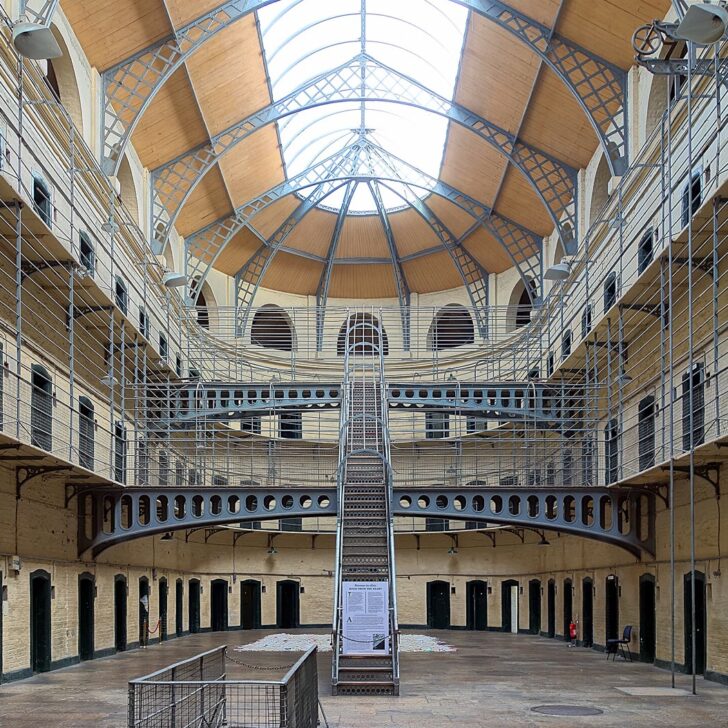
Kilmainham Gaol: Dublin’s Rebel Prison, a Candlelit Wedding and the Stonebreakers’ Yard

Kilmainham Gaol in Dublin held prisoners from 1796 to 1924: debtors, Famine-era thieves, children, convicts bound for Australia, and rebels from Robert Emmet and Charles Stewart Parnell to the 1916 leaders shot in the Stonebreakers’ Yard. Here’s its history, Joseph Plunkett and Grace Gifford’s candlelit wedding in the prison chapel, the Civil War women prisoners, the volunteers who saved the ruin, the films shot there and how to book a tour.

Read More about Kilmainham Gaol: Dublin’s Rebel Prison, a Candlelit Wedding and the Stonebreakers’ Yard