Skip to Content

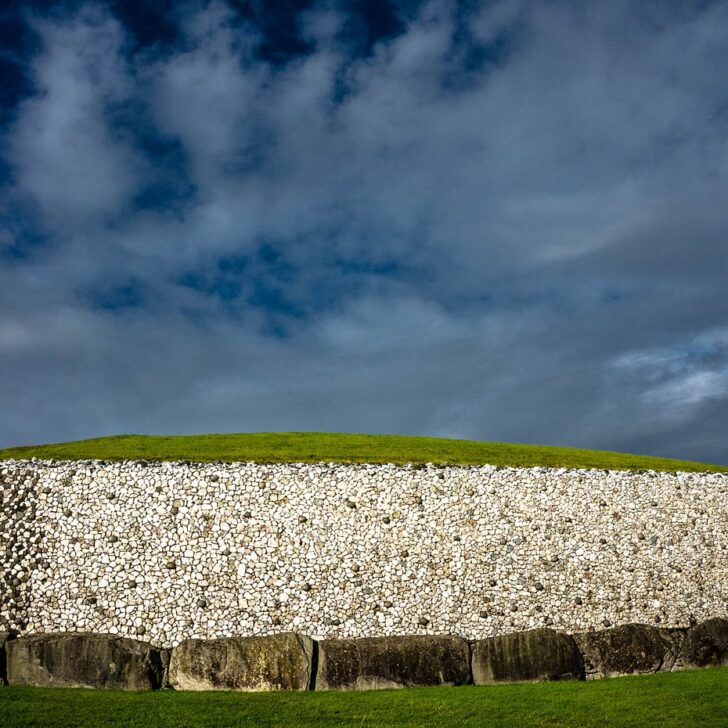
Newgrange: The Irish Tomb Older Than Stonehenge and the Pyramids

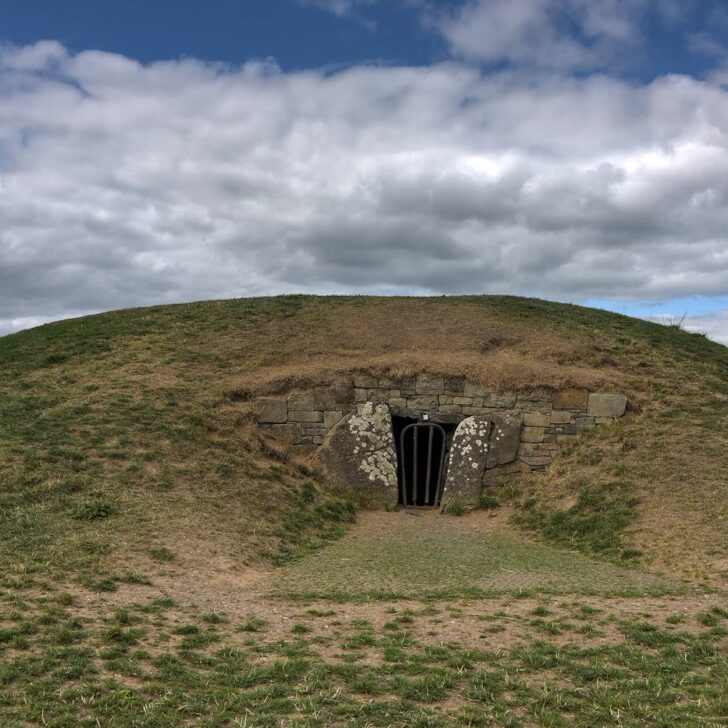
Newgrange was built around 3200 BC, centuries before the Great Pyramid and Stonehenge’s stone circle. Here’s the passage tomb inside and out: the triple spiral, the solstice roof-box and its 1967 rediscovery, the disputed quartz wall, Knowth and Dowth, the legends of the Dagda and Aengus Óg, and how to visit Brú na Bóinne.
Read More about Newgrange: The Irish Tomb Older Than Stonehenge and the Pyramids

Grosse Île: Canada’s Irish Famine Island, Where 5,424 Were Buried in 1847

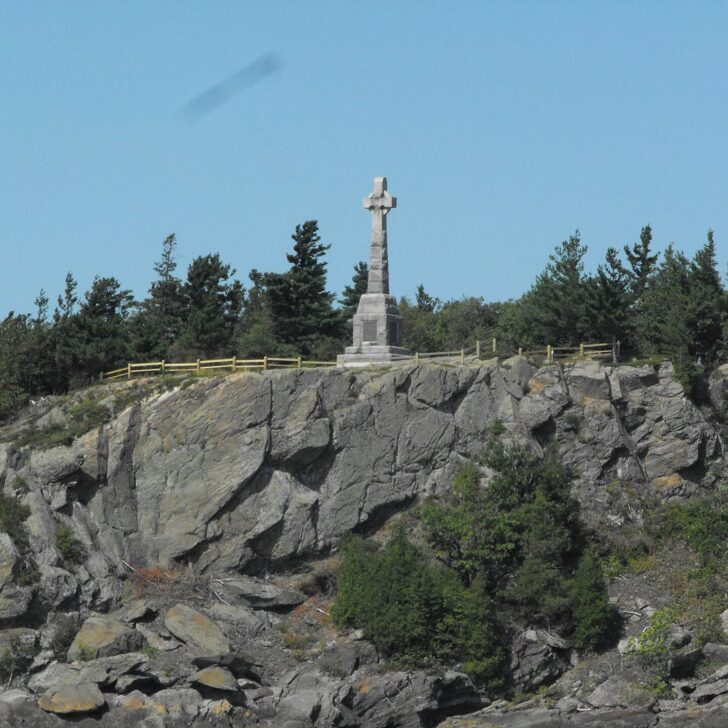
Grosse Île, a small island in the St Lawrence downriver from Quebec City, was the quarantine station for the port of Quebec from 1832 to 1937. In Black ’47, as Famine emigrants arrived sick with typhus, 5,424 people were buried there. Here’s the full story: the ships and the fever, how many really died, what the 1909 Celtic cross says in Irish, English and French, the truth about the orphans and their surnames, and how to visit or search for an ancestor.

Read More about Grosse Île: Canada’s Irish Famine Island, Where 5,424 Were Buried in 1847

The Book of Kells: How Ireland’s Greatest Treasure Was Made, Stolen and Saved

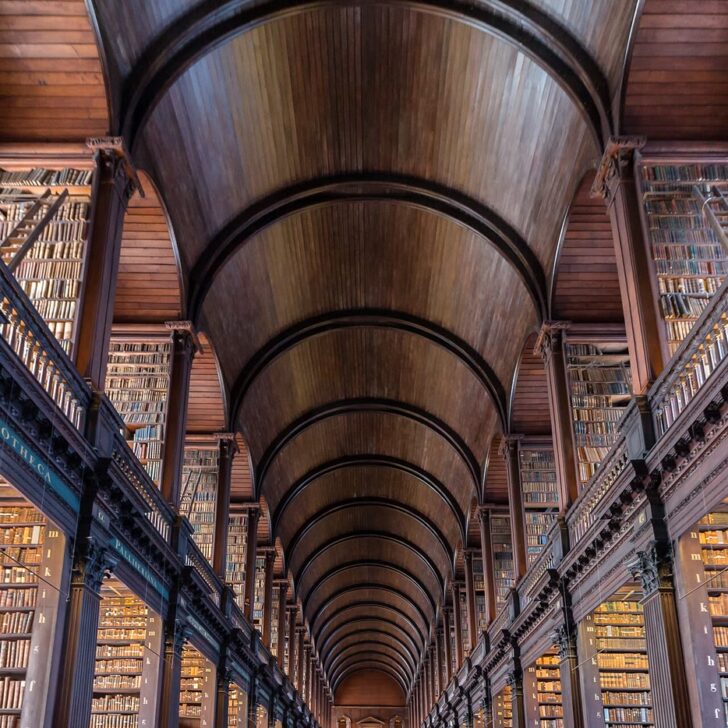
The Book of Kells is Ireland’s most famous treasure: a Latin Gospel book made around 800, probably by Colm Cille’s monks on Iona, at Kells or both. Here’s where it came from, who made it, the Chi Rho page, what its colours really are (lapis lazuli was probably never used), the 1007 theft and lost gold cover, how it reached Trinity College, and how to see it in Dublin or free online.

Read More about The Book of Kells: How Ireland’s Greatest Treasure Was Made, Stolen and Saved

Skellig Michael: The Impossible Island Monastery, From Monks to Star Wars

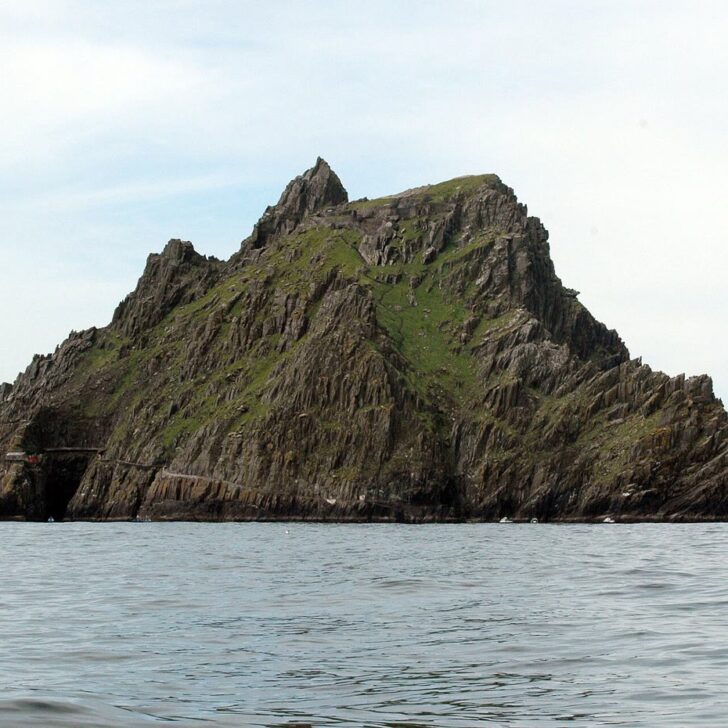
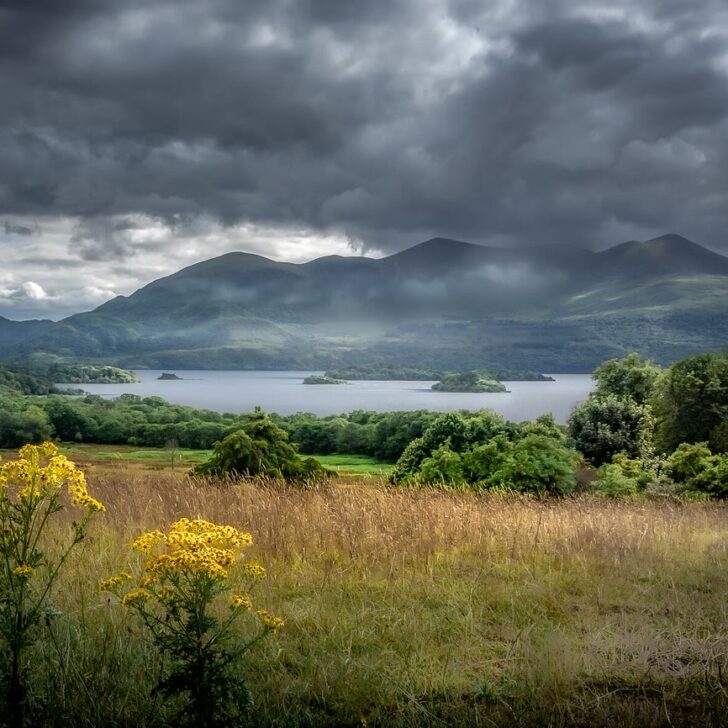
Skellig Michael, Sceilg Mhichíl in Irish, is the Atlantic rock off Co. Kerry where early medieval monks built beehive huts reached by 618 steps. Here’s its real history, from the founding legends and the Viking raids to the move to Ballinskelligs, plus the South Peak hermitage, the pilgrims, the puffins and gannets, the Star Wars filming and the row it caused, and how to visit.

Read More about Skellig Michael: The Impossible Island Monastery, From Monks to Star Wars

Brian Boru: The High King Who Died at Clontarf on the Day His Army Won

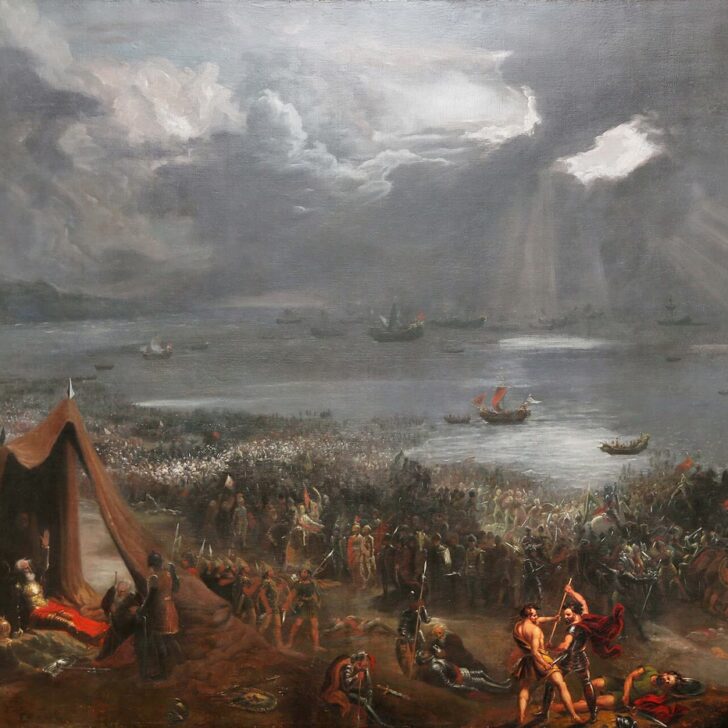
Brian Boru rose from the Dál gCais of east Clare to become king of Munster and, in 1002, high king of Ireland, hailed in the Book of Armagh as “emperor of the Irish”. Here’s how he rose, what happened at the Battle of Clontarf on Good Friday 1014, who really fought there (not simply Irish versus Vikings), the three versions of his death and the banshee’s warning, the O’Brien propaganda of Cogad Gáedel re Gallaib, the O’Brien surname, how to say Brian Bóramha, and the truth about the Brian Boru harp.

Read More about Brian Boru: The High King Who Died at Clontarf on the Day His Army Won

Irish Words With No English Translation: 20 Real Ones and the Viral Fakes

Twenty Irish words and phrases that English has no single word for, from aiteall (a bright break between showers) and meitheal to cumha, dúchas and the stray sod, each checked in Ó Dónaill’s dictionary with pronunciation and an example. Plus why Irish has no words for yes and no, and the viral “untranslatable Irish words” that are really Scottish Gaelic or garbled in the telling.

Read More about Irish Words With No English Translation: 20 Real Ones and the Viral Fakes

Niall of the Nine Hostages: The King Who Kissed a Hag, and the 3 Million DNA Claim

Niall of the Nine Hostages is the legendary king of Tara behind the Uí Néill, the O’Neills and the O’Donnells. Here’s how medieval writers explained his nine hostages, the tale of the hag at the well who turns out to be Sovereignty, his sons and the surnames claimed from them, and what the 2006 Trinity College Dublin DNA study and the famous 3 million descendants claim really show, plus how to say Niall Noígíallach.

Read More about Niall of the Nine Hostages: The King Who Kissed a Hag, and the 3 Million DNA Claim

Ogham: How to Read Ireland’s Ancient Alphabet and Write Your Own Name

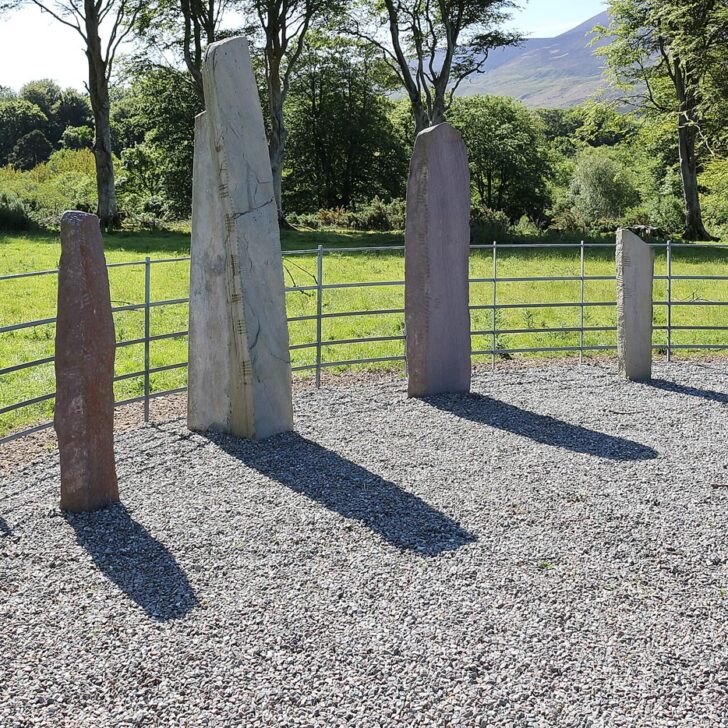
Ogham is the oldest way of writing Irish: 20 letters of strokes and notches cut along the edge of a standing stone. Here’s how it works, what the 400-plus ogham stones actually say, the truth about the “tree alphabet”, the legend of Ogma, where to see ogham stones in Kerry, Waterford, Cork and Dublin, and a letter chart for writing your own name.

Read More about Ogham: How to Read Ireland’s Ancient Alphabet and Write Your Own Name

Fairy Forts and Fairy Trees: The Irish Places You Never Disturb

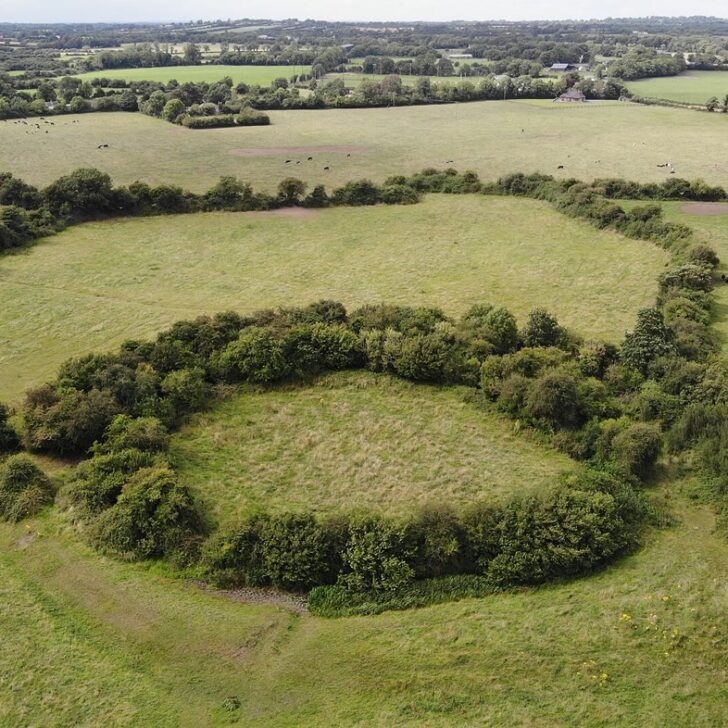
Fairy forts are usually the round banks of early medieval ringforts, about 45,000 of which were built across Ireland. Here’s what they really were, why folklore gave them to the aos sí, the taboos recorded in the Schools’ Collection, lone hawthorn fairy trees, the Latoon fairy bush and the Ennis bypass, the DeLorean legend, rag trees, the law, and how to say lios, ráth and sí.

Read More about Fairy Forts and Fairy Trees: The Irish Places You Never Disturb

The Salmon of Knowledge: How One Burnt Thumb Made Fionn mac Cumhaill a Legend

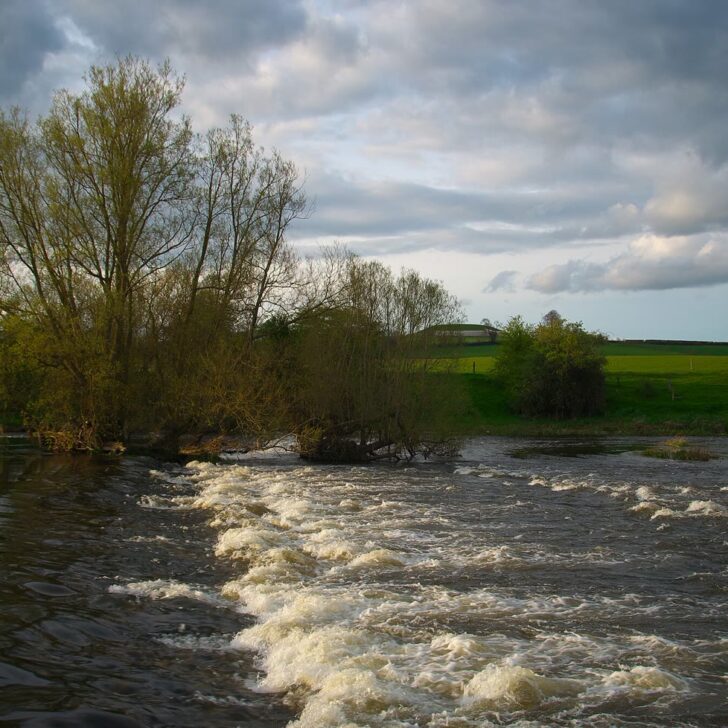
The Salmon of Knowledge is the Irish legend of how young Fionn mac Cumhaill burned his thumb cooking a magic salmon from the River Boyne and won all its wisdom. Here’s the story retold from the medieval Irish text, plus Fionn’s hidden boyhood, the poet Finnegas, the thumb of knowledge, the Fianna, how he became the giant of the Giant’s Causeway, and how to pronounce Fionn mac Cumhaill.

Read More about The Salmon of Knowledge: How One Burnt Thumb Made Fionn mac Cumhaill a Legend

Tír na nÓg: The Irish Legend of Oisín, Niamh and 300 Lost Years

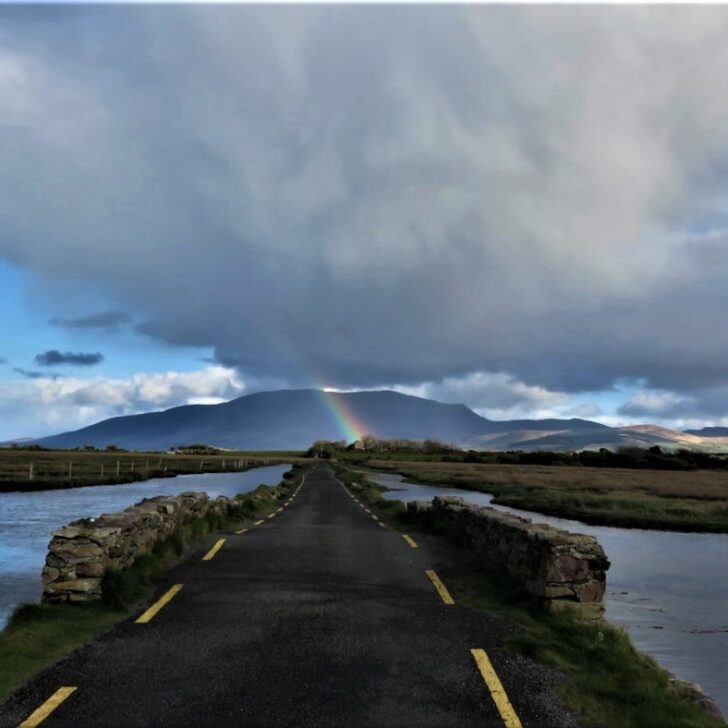
Tír na nÓg, the Land of Youth, is the Irish Otherworld where nobody grows old. Here’s the legend of Oisín and Niamh of the Golden Head, retold from the 18th-century Irish poem: the white horse, 300 years over the sea, the stone in Glenasmole and the meeting with St Patrick, plus the much older Otherworld tales behind it, where the versions differ and how to pronounce Tír na nÓg and Oisín.

Read More about Tír na nÓg: The Irish Legend of Oisín, Niamh and 300 Lost Years