Skip to Content

Stingy Jack: The Irishman Who Tricked the Devil and Gave the Jack-o’-Lantern Its Name

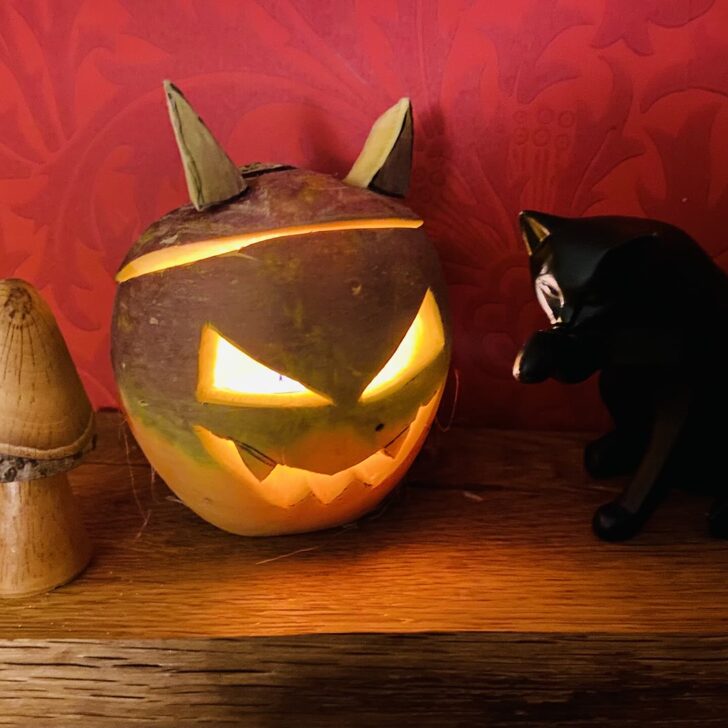
Stingy Jack outwitted the Devil and ended up shut out of Heaven and Hell, wandering with a light. Here is the 1836 Dublin Penny Journal tale, an 1851 poem that calls him Stingy Jack, the many county versions in the 1930s Schools’ Collection, why jack-o’-lantern was a name for a bog light long before a carved lantern, what the records really say about Irish turnip lanterns, how the pumpkin took over in America, and how to carve a turnip lantern safely.
Read More about Stingy Jack: The Irishman Who Tricked the Devil and Gave the Jack-o’-Lantern Its Name

Samhain: The Night the Fairy Mounds Opened and How It Became Halloween

Samhain (SOW-in) is the old Irish festival that began winter on 1 November, and still the Irish word for November. Here’s how to say it, what the medieval tales say (the Ulster Samhain gathering, the Feast of Tara, Nera and the open fairy mounds), where the ‘Celtic new year’ and ‘thin veil’ ideas come from, how All Saints and All Souls met Samhain in Ireland’s own church calendars, the customs the Schools’ Collection recorded, and how Samhain is kept today.

Read More about Samhain: The Night the Fairy Mounds Opened and How It Became Halloween

The Táin: How a Royal Bedtime Row Over a Bull Started Ireland’s Greatest Epic

The Táin Bó Cúailnge, the Cattle Raid of Cooley, is the great epic of Ireland’s Ulster Cycle. Here it is retold from the early translations: Medb and Ailill’s pillow talk at Cruachan, the White-horned and the Brown Bull, Macha’s curse on the Ulstermen, teenage Cú Chulainn holding the fords all winter, his tragic fight with his foster-brother Ferdiad, and the bulls’ last battle. Plus how old the Táin really is, which translation to read, and the places you can still visit in Roscommon, Louth and Armagh.

Read More about The Táin: How a Royal Bedtime Row Over a Bull Started Ireland’s Greatest Epic

Hy-Brasil: The Phantom Island Off Ireland That Mapmakers Drew for 500 Years

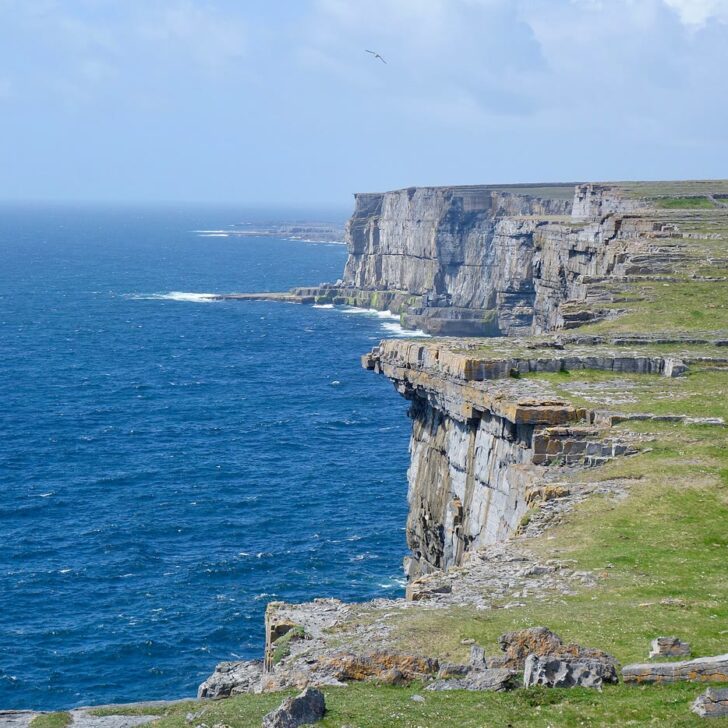
Hy-Brasil, Í Bhreasail in Irish, is the phantom island said to rise off Ireland’s west coast once every seven years. Here’s the real story: the round island on sea charts from about 1330, the Bristol voyages of 1480 and 1481, a Connemara man’s magic book, the 1675 O-Brazile hoax, the debate over the name (it didn’t name Brazil), how it faded from the maps, mirages, and the baseless Rendlesham ‘binary code’ claim.

Read More about Hy-Brasil: The Phantom Island Off Ireland That Mapmakers Drew for 500 Years

Kilmainham Gaol: Dublin’s Rebel Prison, a Candlelit Wedding and the Stonebreakers’ Yard

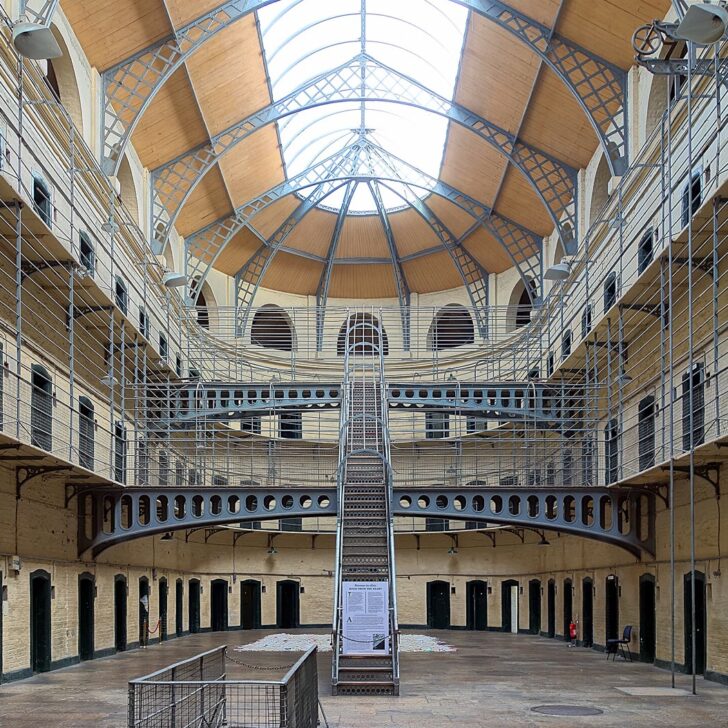
Kilmainham Gaol in Dublin held prisoners from 1796 to 1924: debtors, Famine-era thieves, children, convicts bound for Australia, and rebels from Robert Emmet and Charles Stewart Parnell to the 1916 leaders shot in the Stonebreakers’ Yard. Here’s its history, Joseph Plunkett and Grace Gifford’s candlelit wedding in the prison chapel, the Civil War women prisoners, the volunteers who saved the ruin, the films shot there and how to book a tour.

Read More about Kilmainham Gaol: Dublin’s Rebel Prison, a Candlelit Wedding and the Stonebreakers’ Yard

The Easter Rising: The 1916 Rebellion That Failed, Then Changed Ireland

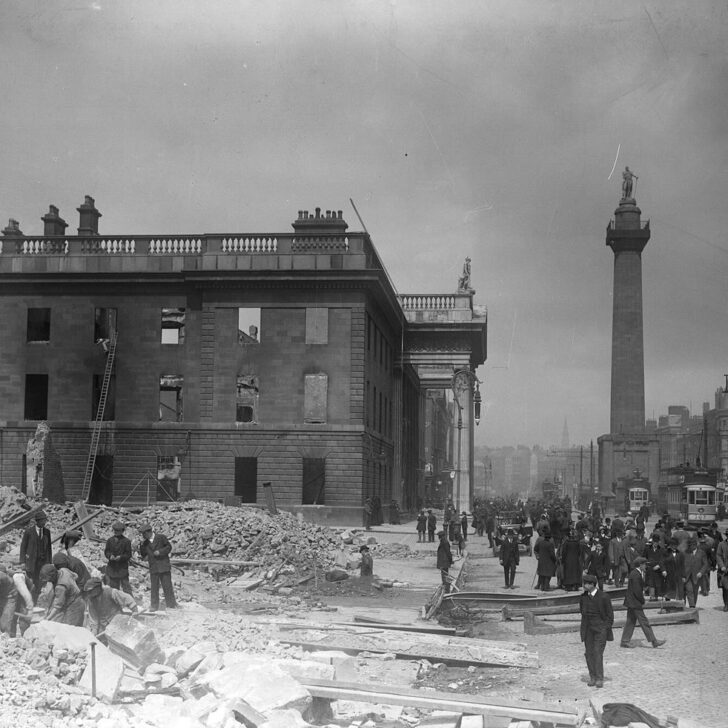
On Easter Monday 1916, rebels seized the GPO in Dublin and Patrick Pearse read the Proclamation of the Irish Republic. Here is the story of the Easter Rising: Home Rule, the IRB, the Aud and Casement, the garrisons, the women of Cumann na mBan, the 485 dead, the 16 executions that turned Irish opinion, and where to see it in Dublin today.

Read More about The Easter Rising: The 1916 Rebellion That Failed, Then Changed Ireland

The Blarney Stone: Why People Lean Backwards Over a Castle Wall to Kiss It

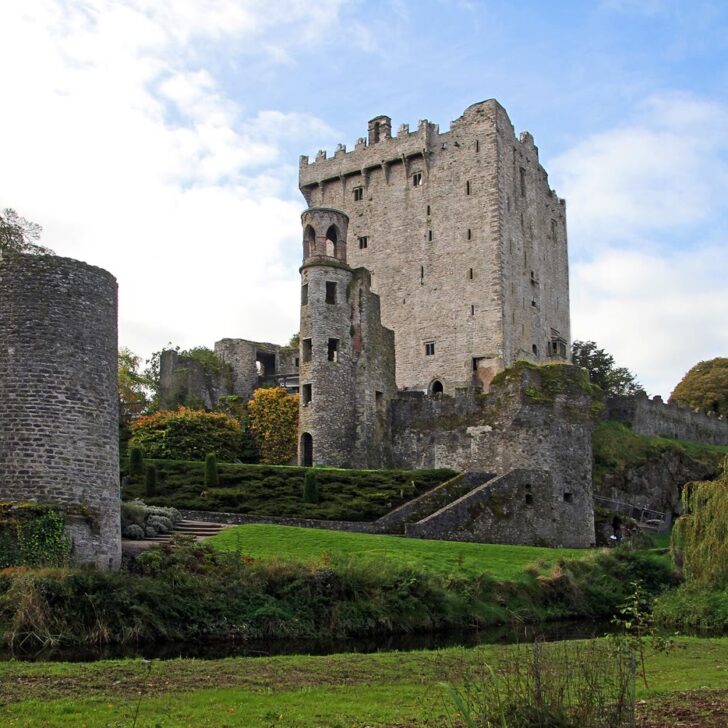
The Blarney Stone at Blarney Castle, Co. Cork, is said to give anyone who kisses it the gift of the gab. Here’s how the kiss works, why early writers disagreed about which stone it is, the legends of a witch, a fairy queen and Robert the Bruce, what an old geology slide revealed, where the word blarney really comes from, the Rock Close and Poison Garden, and tips for visiting.

Read More about The Blarney Stone: Why People Lean Backwards Over a Castle Wall to Kiss It

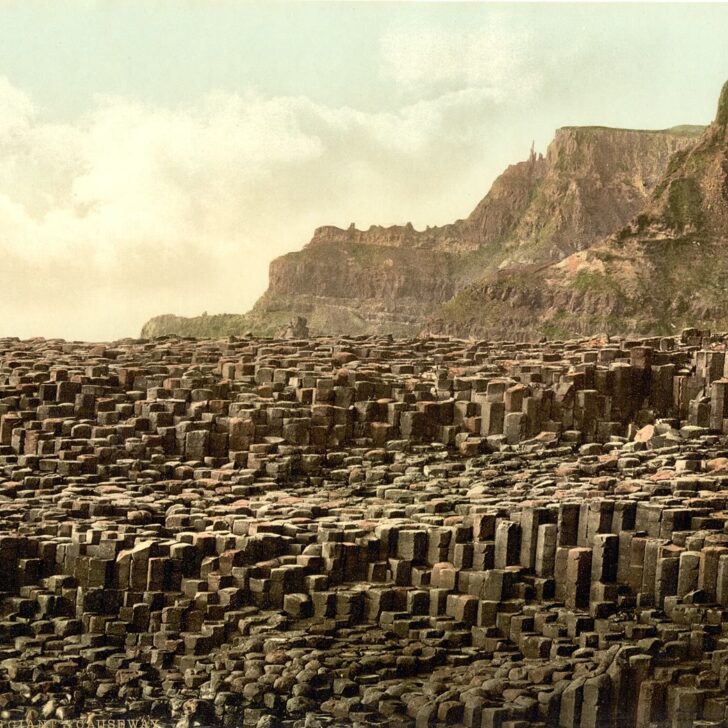
The Giant’s Causeway: 40,000 Stone Columns, a Runaway Giant and How to Visit

The Giant’s Causeway in Co. Antrim is about 40,000 basalt columns left by a lava lake that cooled around 60 million years ago. Here’s why most columns are six-sided, the legend of Finn McCool and Benandonner and the versions that differ, the Irish name Clochán an Aifir, how the Royal Society and Susanna Drury made it famous, the Wishing Chair and Giant’s Boot, how to visit, and Dunluce Castle, Carrick-a-Rede and the Dark Hedges nearby.

Read More about The Giant’s Causeway: 40,000 Stone Columns, a Runaway Giant and How to Visit

The St Patrick Snakes Legend: Ireland Never Had Any. So Where Did the Story Come From?

Ireland never had snakes for St Patrick to banish. Here’s why the island is snake-free, which ancient writers noticed it first, how a 12th-century monk gave Patrick the credit on Croagh Patrick, Mayo’s folklore of serpent lakes, what the snakes might symbolise, Ireland’s only native reptile, and why the legend became an American favourite.

Read More about The St Patrick Snakes Legend: Ireland Never Had Any. So Where Did the Story Come From?

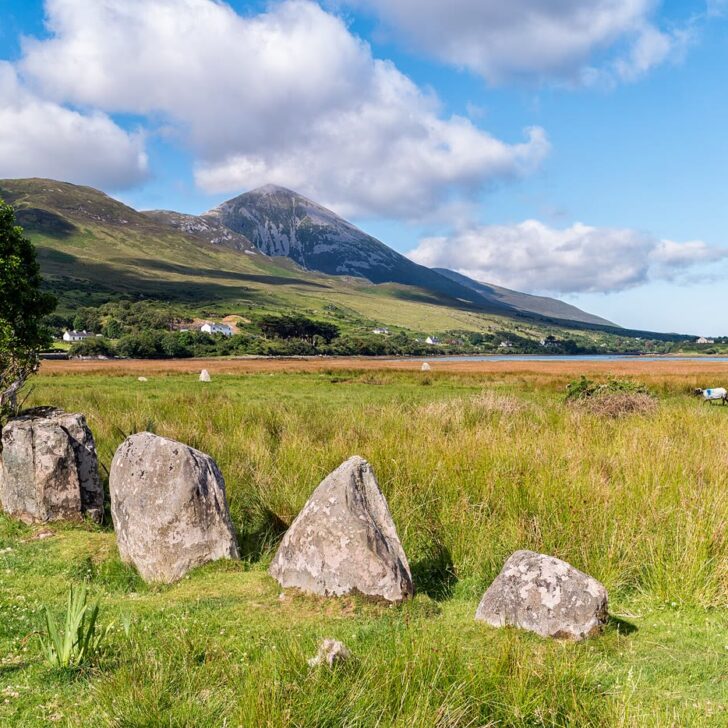
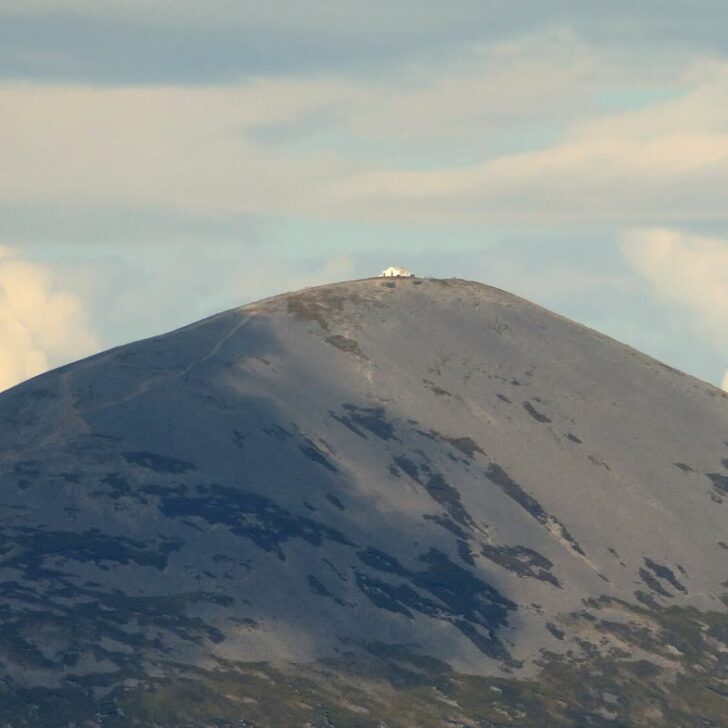
Croagh Patrick: Ireland’s Holy Mountain, Where Pilgrims Still Climb Barefoot

Croagh Patrick, the Reek, is Ireland’s holy mountain. Here’s St Patrick’s 40-day fast as Tírechán and the Tripartite Life tell it, where the snake legend really comes from, Reek Sunday from 1113 to today, the three stations and the Black Bell, the Lughnasa theory, what archaeologists found on the summit, the 1980s fight over gold, the Famine memorial at Murrisk and practical advice for the climb.

Read More about Croagh Patrick: Ireland’s Holy Mountain, Where Pilgrims Still Climb Barefoot

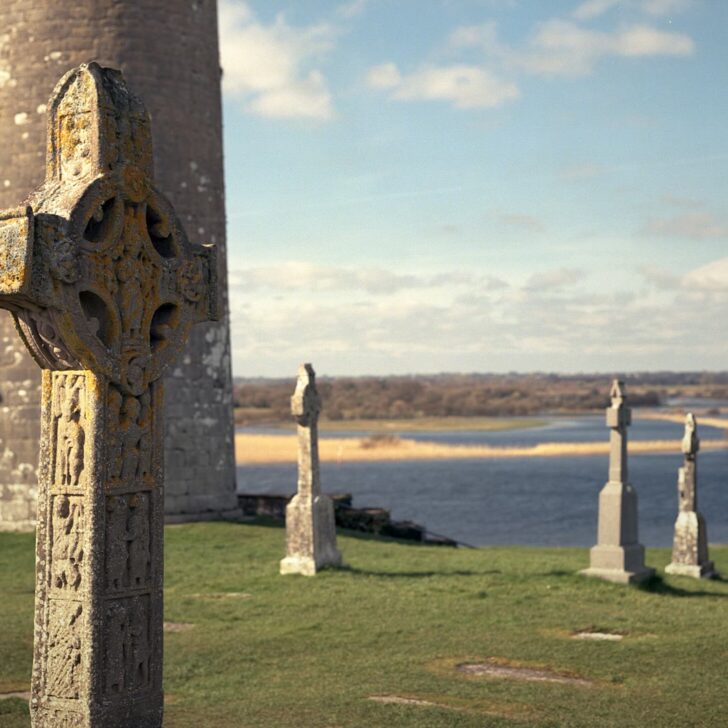
Clonmacnoise: The Monastic City on the Shannon Where High Kings Lie Buried

Clonmacnoise, Cluain Mhic Nóis in Irish, is St Ciarán’s monastic city on the River Shannon in Co. Offaly. Here’s its story, from the founding legend and the Book of the Dun Cow to the high crosses, the round towers, the Whispering Arch, the royal graves, the Viking and Irish raids, the wrecking of 1552 and the Pope’s 1979 visit, plus how to visit (the site closes from mid-October 2026 to 1 January 2027).

Read More about Clonmacnoise: The Monastic City on the Shannon Where High Kings Lie Buried

Glendalough: The Hermit Saint, a Blackbird and Ireland’s Valley of Two Lakes

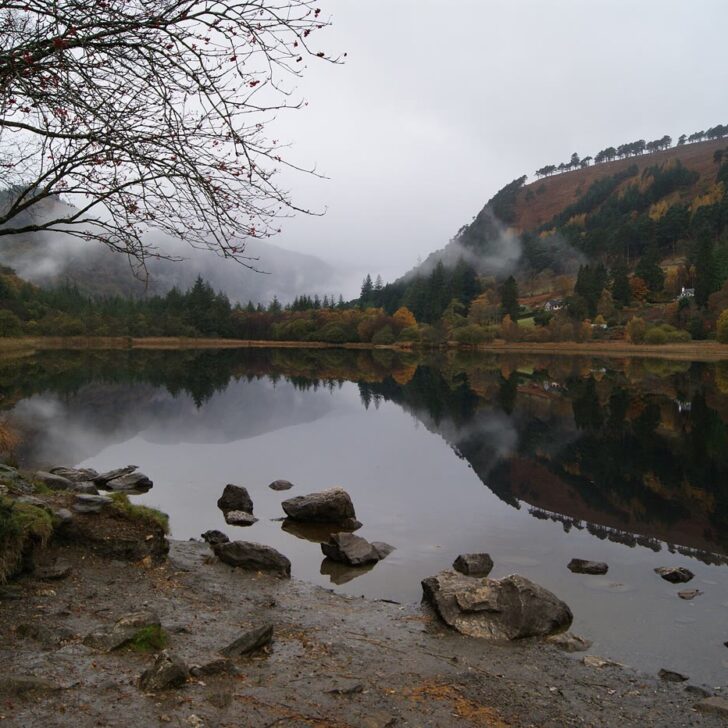
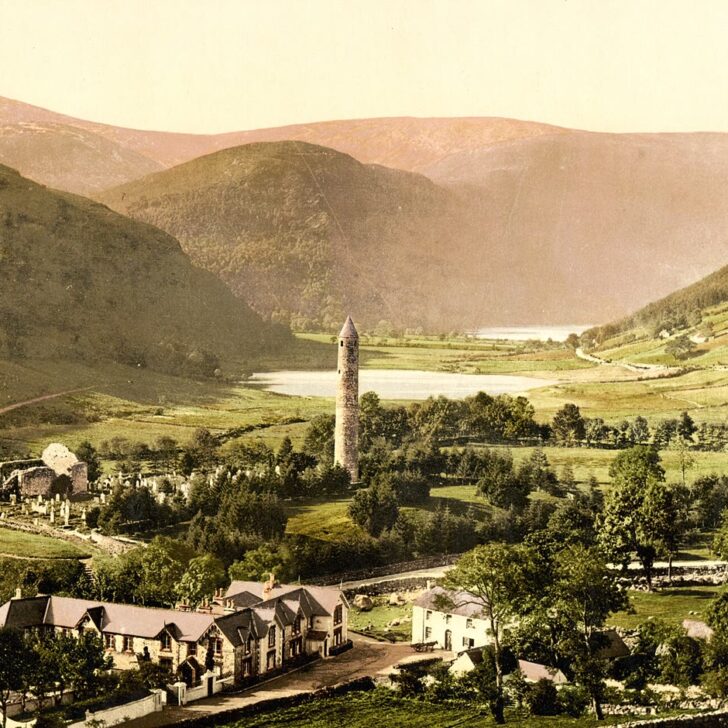
Glendalough, the glen of two lakes in Co. Wicklow, is where St Kevin lived as a hermit and founded one of Ireland’s great monasteries. Here are his legends (the blackbird, the angel who offered to flatten the mountains, Kathleen and the lake), the round tower and monastic city, the Viking raids, the 1214 merger with Dublin, the Spinc and Miners’ Village walks, and practical tips for visiting.

Read More about Glendalough: The Hermit Saint, a Blackbird and Ireland’s Valley of Two Lakes

Irish Round Towers: Bell Towers, Viking Hideouts or Fire Temples? The Real Story

Ireland’s round towers have been called fire temples, phallic symbols and Viking hideouts. Here’s what they really were: cloigtheach, the bell house, with how to say it, when and how they were built, why the door is so high, what the annals say, the 19th-century theories George Petrie demolished, the best towers to see (and two you can climb), and how the round tower became a symbol of Ireland.

Read More about Irish Round Towers: Bell Towers, Viking Hideouts or Fire Temples? The Real Story

The Molly Maguires: Irish Miners, a Pinkerton Spy and the Day of the Rope

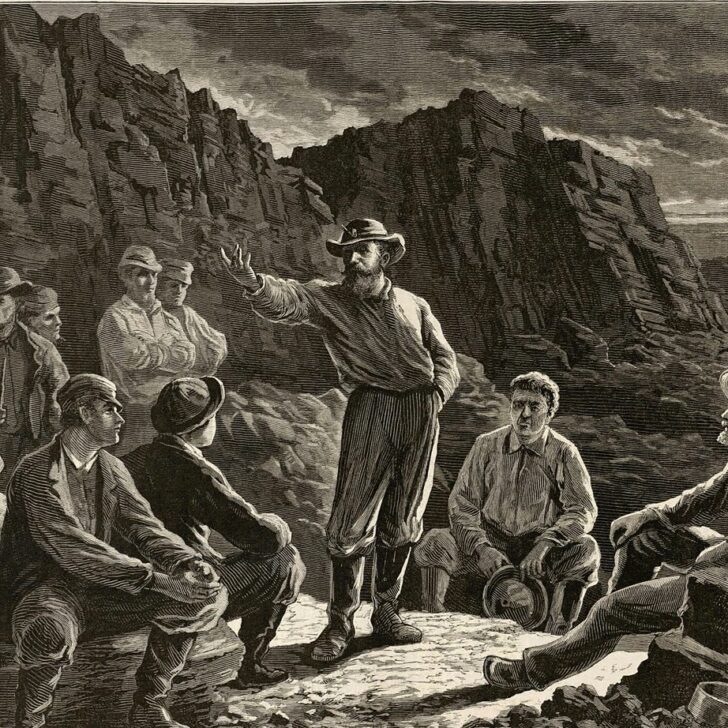
The Molly Maguires were Irish immigrant miners in Pennsylvania’s coalfields, blamed for 16 killings and hanged after trials run largely by company lawyers. Here’s the full story: the Irish origins of the name, life in the patch towns, the AOH link, Franklin Gowen, the Pinkerton spy James McParlan, Black Thursday and the 20 hangings, the Cell 17 handprint, Jack Kehoe’s 1979 pardon and what historians think now.

Read More about The Molly Maguires: Irish Miners, a Pinkerton Spy and the Day of the Rope

The Hill of Tara: Ireland’s Hill of Kings, a Roaring Stone and a Hunt for the Ark

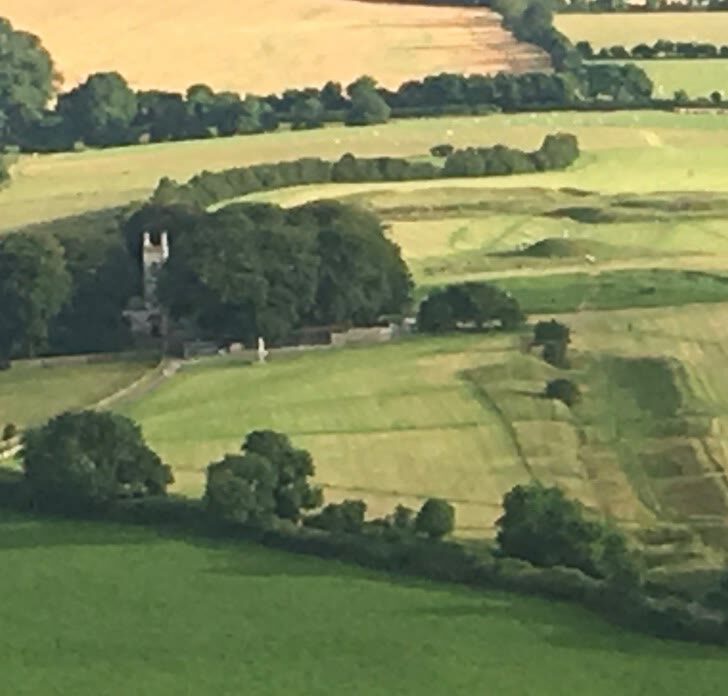
The Hill of Tara in Co. Meath is remembered as the seat of Ireland’s high kings. Here’s what’s really on the hill, from the 5,000-year-old Mound of the Hostages to the Lia Fáil, the stone said to roar under a true king, plus the Feast of Tara, St Patrick’s Easter fire, O’Connell’s 1843 monster meeting, the men who dug for the Ark of the Covenant, the M3 motorway row and how to visit for free.

Read More about The Hill of Tara: Ireland’s Hill of Kings, a Roaring Stone and a Hunt for the Ark