Skip to Content

Fairy Forts and Fairy Trees: The Irish Places You Never Disturb

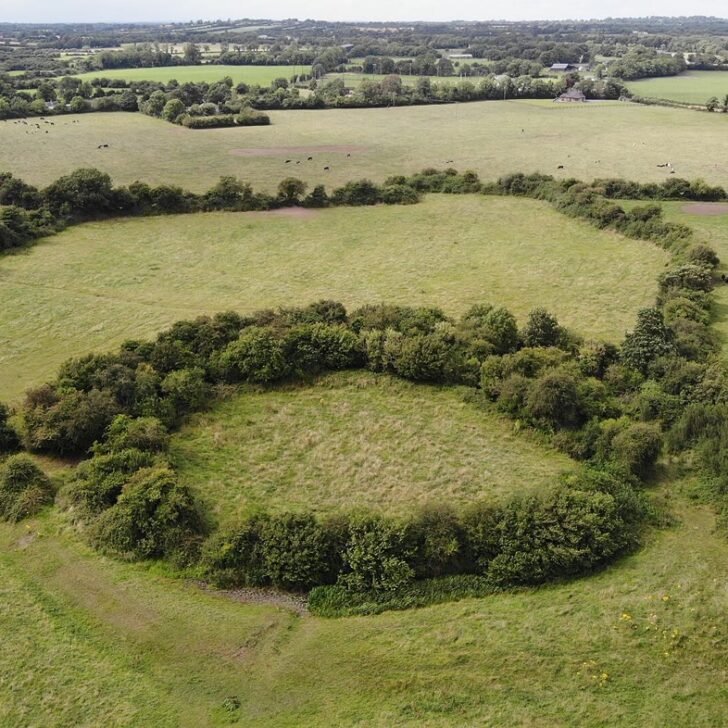
Fairy forts are usually the round banks of early medieval ringforts, about 45,000 of which were built across Ireland. Here’s what they really were, why folklore gave them to the aos sí, the taboos recorded in the Schools’ Collection, lone hawthorn fairy trees, the Latoon fairy bush and the Ennis bypass, the DeLorean legend, rag trees, the law, and how to say lios, ráth and sí.
Read More about Fairy Forts and Fairy Trees: The Irish Places You Never Disturb

The Salmon of Knowledge: How One Burnt Thumb Made Fionn mac Cumhaill a Legend

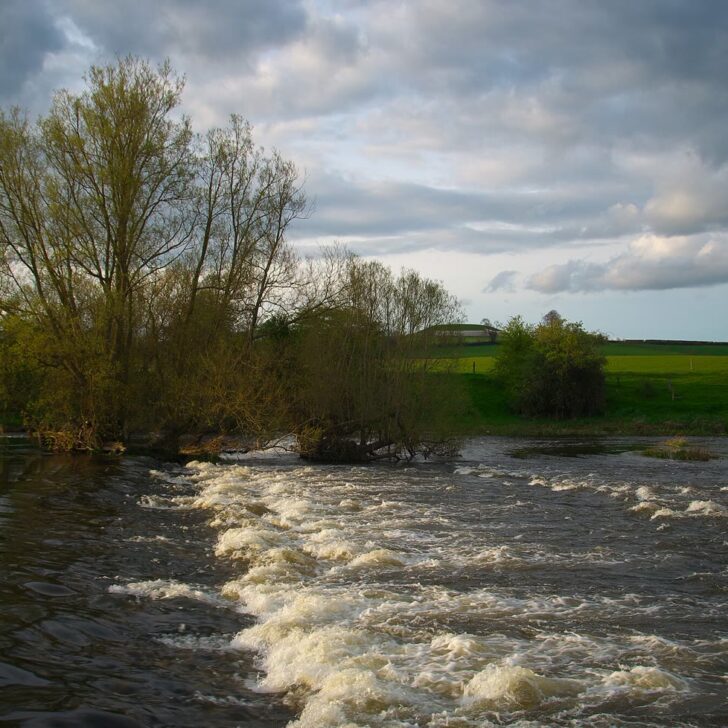
The Salmon of Knowledge is the Irish legend of how young Fionn mac Cumhaill burned his thumb cooking a magic salmon from the River Boyne and won all its wisdom. Here’s the story retold from the medieval Irish text, plus Fionn’s hidden boyhood, the poet Finnegas, the thumb of knowledge, the Fianna, how he became the giant of the Giant’s Causeway, and how to pronounce Fionn mac Cumhaill.

Read More about The Salmon of Knowledge: How One Burnt Thumb Made Fionn mac Cumhaill a Legend

Tír na nÓg: The Irish Legend of Oisín, Niamh and 300 Lost Years

Tír na nÓg, the Land of Youth, is the Irish Otherworld where nobody grows old. Here’s the legend of Oisín and Niamh of the Golden Head, retold from the 18th-century Irish poem: the white horse, 300 years over the sea, the stone in Glenasmole and the meeting with St Patrick, plus the much older Otherworld tales behind it, where the versions differ and how to pronounce Tír na nÓg and Oisín.

Read More about Tír na nÓg: The Irish Legend of Oisín, Niamh and 300 Lost Years

Diarmuid and Gráinne: Ireland’s Great Runaway Love Story

Gráinne was promised to the ageing Fionn mac Cumhaill, but at the feast at Tara she drugged the guests and bound the young warrior Diarmuid to run away with her. Here’s the whole legend of Diarmuid and Gráinne: the geis, the love spot, the long pursuit, the dolmens called their beds, the boar of Ben Bulben, how old the story really is, and how it compares with Tristan and Iseult.

Read More about Diarmuid and Gráinne: Ireland’s Great Runaway Love Story

The Children of Lir: The Irish Legend of Four Swans and 900 Years

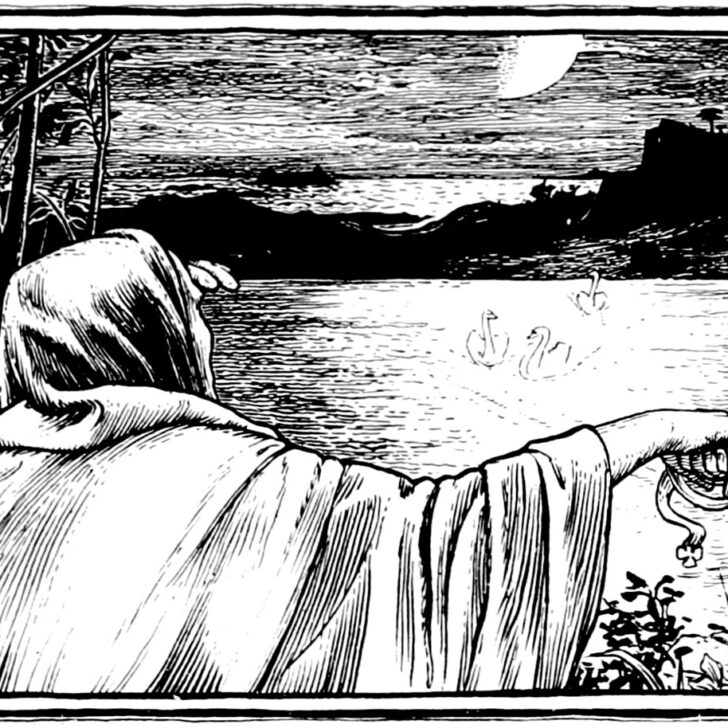
In the Children of Lir, a jealous stepmother turns four children into swans for 900 years. Here’s the legend retold from the Irish text, from Lough Derravaragh to the Sea of Moyle and Erris, plus the bell and the ending, how old the story really is, where the versions differ, Irish swan folklore, the children’s names and the sculpture in Dublin’s Garden of Remembrance.

Read More about The Children of Lir: The Irish Legend of Four Swans and 900 Years

The Irish Brigade in the Civil War: Meagher, the Fighting 69th and the Green Flags

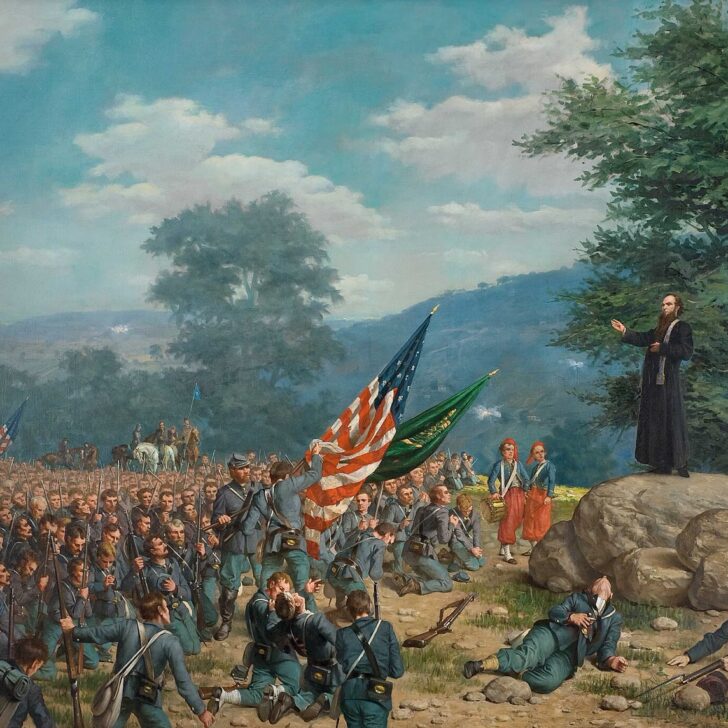
The Irish Brigade was the best-known Irish unit of the American Civil War: the 63rd, 69th and 88th New York, later joined by the 28th Massachusetts and 116th Pennsylvania. Here’s the story of Thomas Francis Meagher, why Irish immigrants enlisted, the Sunken Road at Antietam, the boxwood at Fredericksburg, Father Corby’s absolution at Gettysburg, the Irish who fought for the South, the 1863 draft riots, the Fighting 69th today and how to find an ancestor who served.

Read More about The Irish Brigade in the Civil War: Meagher, the Fighting 69th and the Green Flags

Annie Moore: Ellis Island’s First Immigrant and the Real Story of Her Life

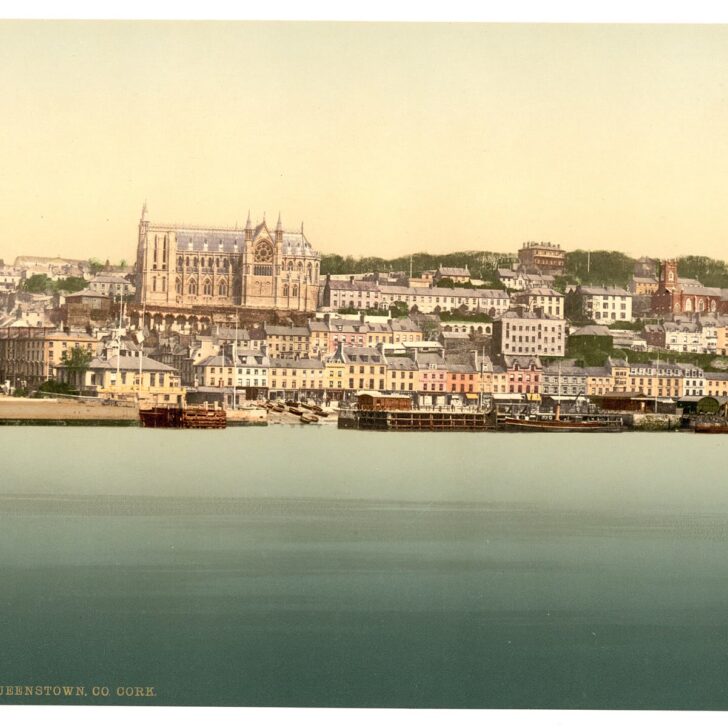
On New Year’s Day 1892, a 17-year-old from Cork named Annie Moore became the first immigrant processed at Ellis Island. Here’s her voyage from Queenstown on the Nevada, the muddle over her age, the wrong Annie Moore whose life was told as hers for years, the hard life she really lived on the Lower East Side, and how to find your own Ellis Island ancestor.

Read More about Annie Moore: Ellis Island’s First Immigrant and the Real Story of Her Life

The Irish Potato Famine (An Gorta Mór): Ireland’s Great Hunger, 1845 to 1852

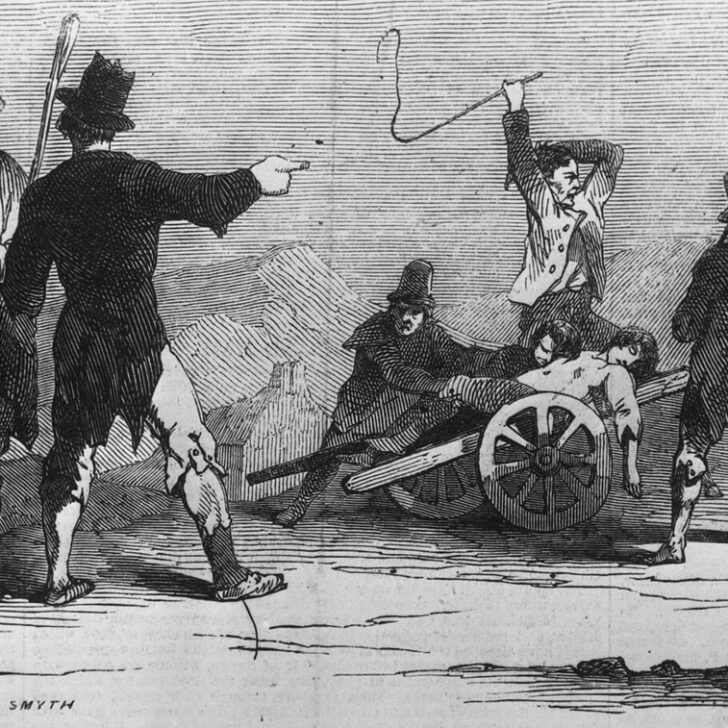
From 1845 to 1852, potato blight, deep poverty and an inadequate relief system left about a million people dead in Ireland and sent over a million more abroad. Here’s what caused the Great Famine, An Gorta Mór, what the government did and didn’t do, the evidence on food exports, the genocide debate, memorials from Dublin to Sydney, and how to trace a Famine-era ancestor.

Read More about The Irish Potato Famine (An Gorta Mór): Ireland’s Great Hunger, 1845 to 1852

Irish Wake and Funeral Traditions: Keening, Clay Pipes and What to Say

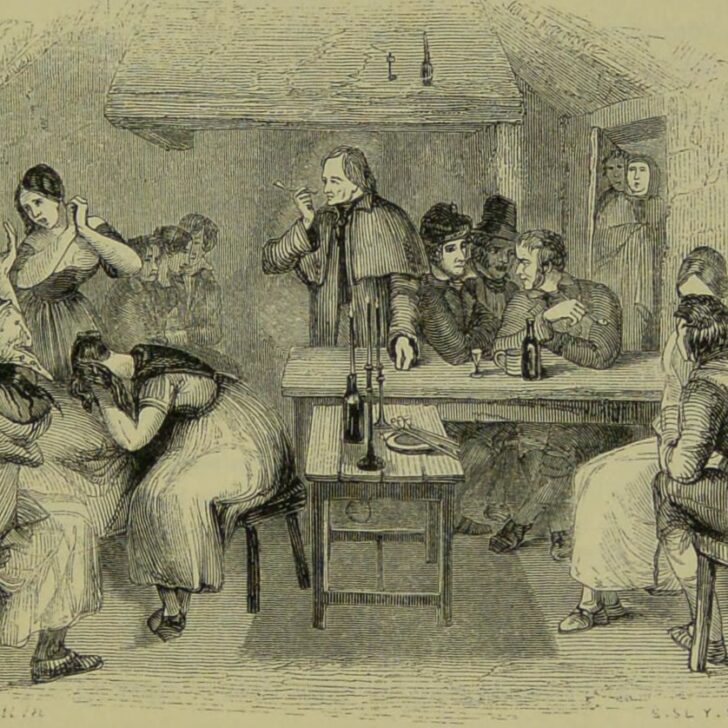
Before funeral homes, the Irish waked their dead at home: the clock stopped, a window opened, keening women lamented, and callers got clay pipes, snuff and sometimes games. Here’s what the old accounts say, how the funeral and the month’s mind work, what survives today, what to say (including Ar dheis Dé go raibh a anam), how to read an RIP.ie death notice, the robin belief, and why November belongs to the dead.

Read More about Irish Wake and Funeral Traditions: Keening, Clay Pipes and What to Say

No Irish Need Apply: Were the Signs Real? What the Old Newspapers Show

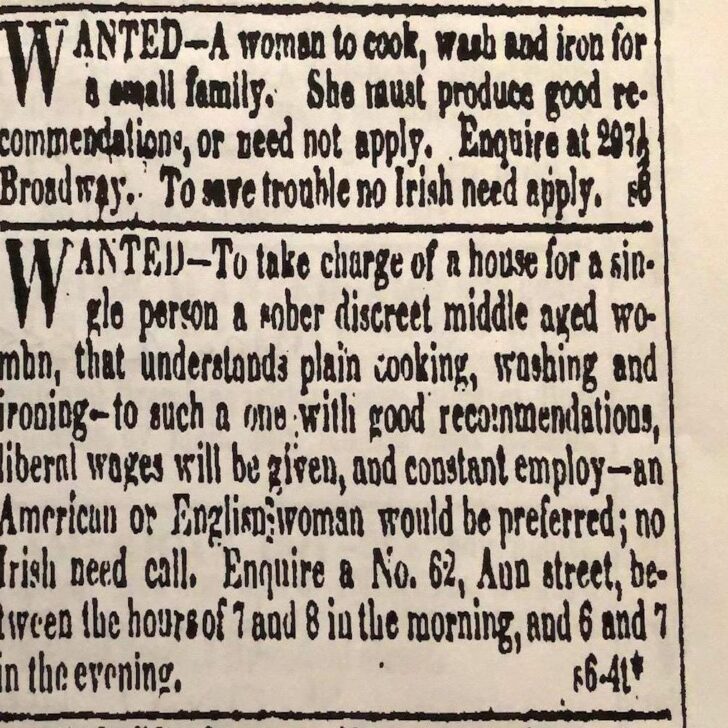
In 2002 a retired history professor called the ‘No Irish Need Apply’ signs a myth. In 2015 a 14-year-old went through the old newspapers and found dozens of ads, many for men’s jobs. Here’s the whole debate: where the phrase started, who it targeted, the 1860s songs, the Butte protest of 1909, Britain’s ‘No Irish, No Blacks, No Dogs’ row, and what the evidence really shows.

Read More about No Irish Need Apply: Were the Signs Real? What the Old Newspapers Show