Skip to Content

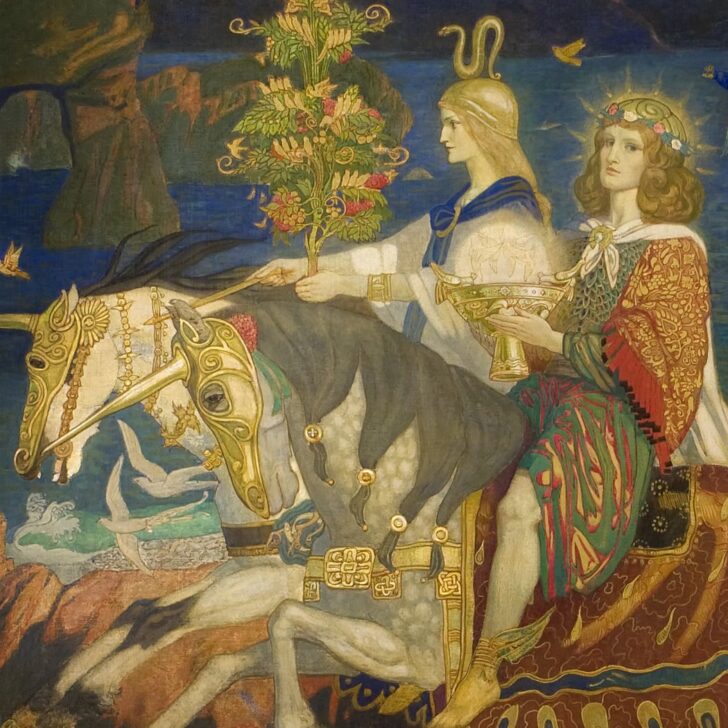
Irish Mythology: The Four Cycles, the Best Stories and Where to Start

Irish mythology in one place: what it is, the four cycles (Mythological, Ulster, Fenian and Kings), the Book of Invasions, 20 of the best stories from the Children of Lir and the Táin to Oisín in Tír na nÓg and Mad Sweeney, the medieval manuscripts they survive in, free translations by Lady Gregory and Kuno Meyer, the best stories for kids, and how Irish myth differs from ‘Celtic’ myth.
Read More about Irish Mythology: The Four Cycles, the Best Stories and Where to Start

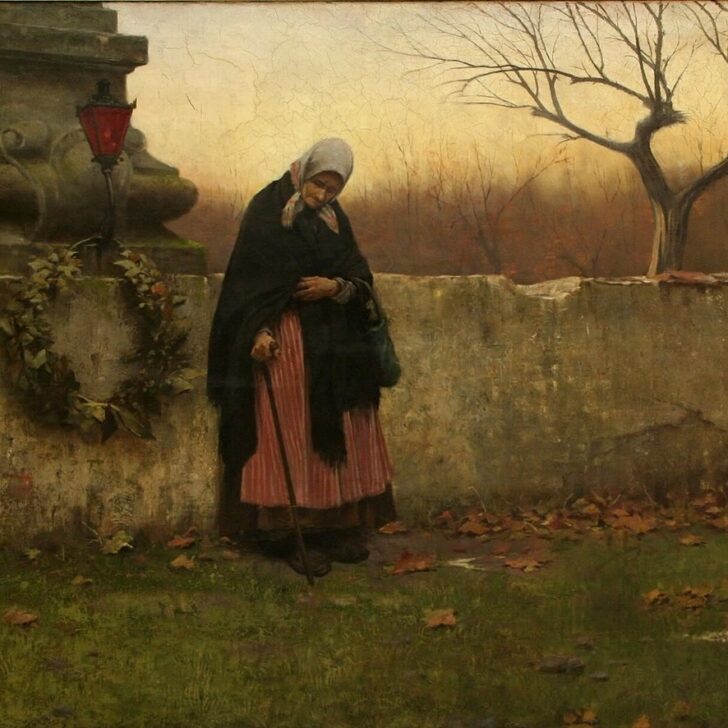
All Souls’ Day in Ireland: The Holy Souls, the Unlocked Door and Why November Is the Month of the Dead

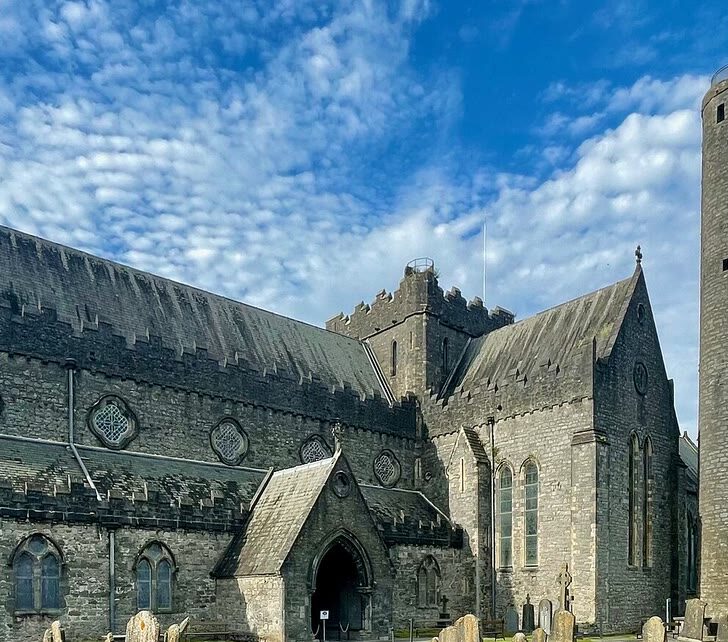
All Souls’ Day, 2 November, is the day Catholics pray for all the dead, and in Ireland the whole of November belongs to the Holy Souls. Here’s All Saints versus All Souls, where the feast came from (including Clonmacnoise’s ‘a prayer for’ grave slabs), the November list of the dead, blessing the graves, the plenary indulgence explained, the 1930s customs of the unlocked door, the laid table and the candle in the window, the truth about the ‘salt and water’ tradition, and prayers for the dead in Irish.

Read More about All Souls’ Day in Ireland: The Holy Souls, the Unlocked Door and Why November Is the Month of the Dead

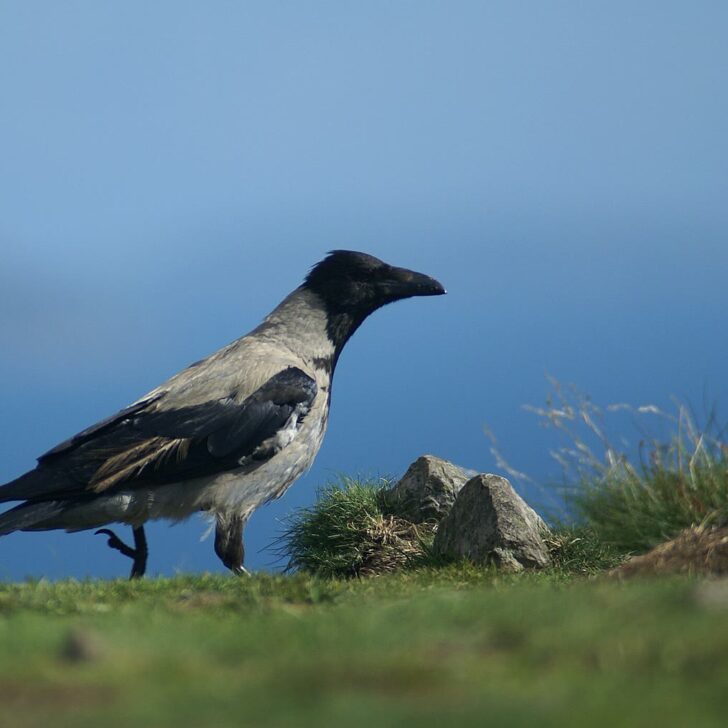
The Morrígan: Ireland’s Phantom Queen of War, Crows and Fate

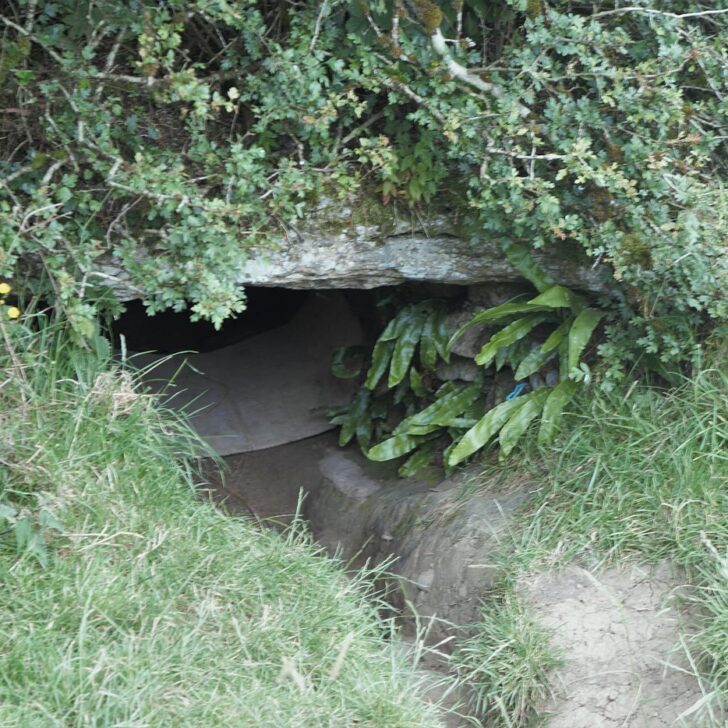
The Morrígan is the war goddess of medieval Irish myth, a shape-shifting prophet of battle and death. Here’s what her name means and how to say it, her sisters Badb, Macha and Nemain, her Samhain meeting with the Dagda at the Unshin, her clashes with Cú Chulainn in the Táin, the bird on his shoulder and Sheppard’s statue in the GPO, her cave at Rathcroghan, her real symbols and tattoo ideas, and what’s modern, from the maiden-mother-crone triple goddess to horror films.

Read More about The Morrígan: Ireland’s Phantom Queen of War, Crows and Fate

Irish Witches: Alice Kyteler, the Islandmagee Trial and Ireland’s Real Witch History

Ireland had only a handful of witch trials. Here is the real history: Dame Alice Kyteler and the demon Robin son of Art (1324), Petronilla of Meath, burned on 3 November 1324, Florence Newton of Youghal (1661), Goody Glover in Boston (1688), the Islandmagee witches (1711), why Ireland had so few trials, the butter-stealing hare-witch of folklore, and Biddy Early, who was never convicted of anything.

Read More about Irish Witches: Alice Kyteler, the Islandmagee Trial and Ireland’s Real Witch History

Old Irish Curses: Cursing Stones, the Widow’s Curse and ‘May the Cat Eat You’

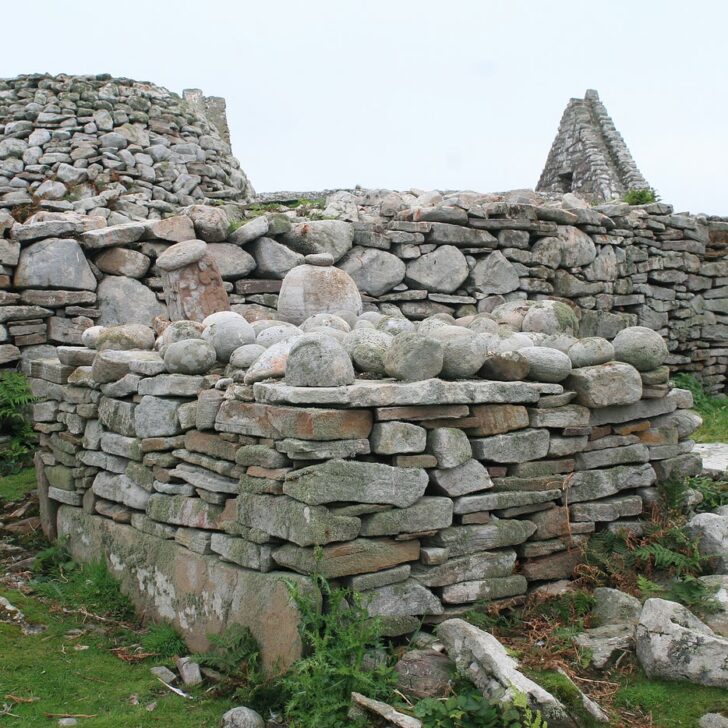
Old Irish curses were wishes of real harm, not swear words. Here are the bardic satires said to raise blisters, the widow’s and priest’s curses from the 1930s Schools’ Collection, the cursing stones of Killinagh and Inishmurray, a dozen real curses in Irish with pronunciations (and the truth about ‘may the cat eat you’), and the legend of the 1951 Mayo curse, laid to rest by Mayo’s All-Ireland win in July 2026.

Read More about Old Irish Curses: Cursing Stones, the Widow’s Curse and ‘May the Cat Eat You’

Irish Superstitions: 40 Old Beliefs About Luck, Death, Birds and the Fairies

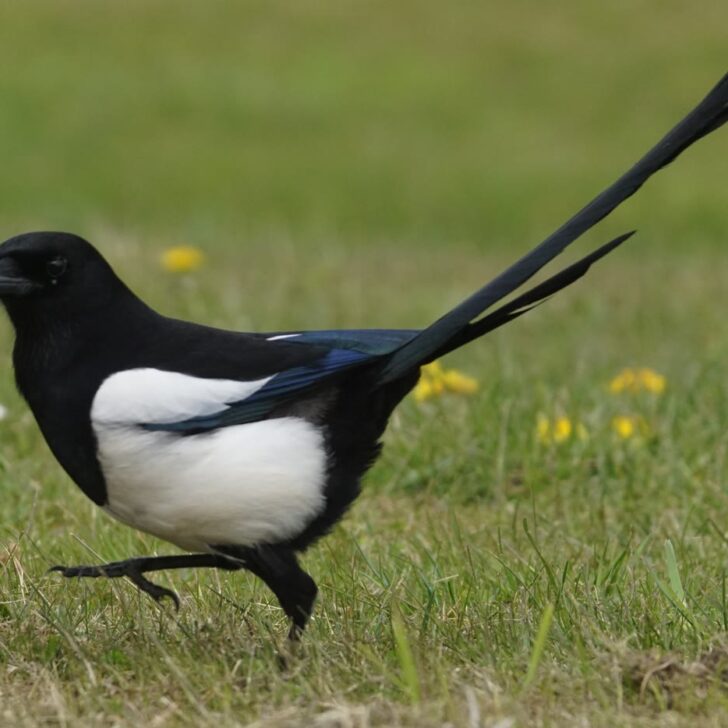
Forty Irish superstitions from the 1930s Schools’ Collection and Lady Wilde’s 1887 book, grouped by theme: death and wakes, robins and magpies, luck and money, May Eve, Halloween, weddings, New Year and the fairy thorn. Each is marked old Irish, shared with Britain, or a later import, and the magpie turns out to be a 17th-century arrival.

Read More about Irish Superstitions: 40 Old Beliefs About Luck, Death, Birds and the Fairies

Irish Wedding Traditions: Strawboys, Shrove Weddings and the ‘Old’ Customs That Aren’t

Irish wedding traditions, sorted honestly into old, borrowed and new: Shrove weddings and Skellig lists, matchmakers and the fortune, strawboys in straw disguises, cake broken over the bride’s head, the Claddagh ring, uilleann pipes and the afters, plus why the hand-tying handfasting ceremony, the magic hanky and the make-up bell look modern, and ideas for an Irish touch on your own day.

Read More about Irish Wedding Traditions: Strawboys, Shrove Weddings and the ‘Old’ Customs That Aren’t

Tuatha Dé Danann: How Ireland’s Old Gods Lost a War and Became the Fairy Folk

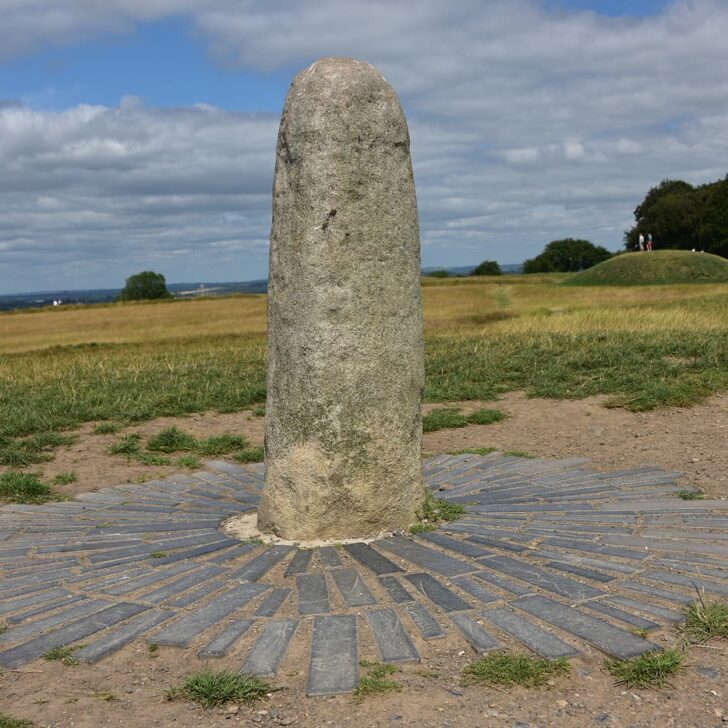
The Tuatha Dé Danann are the godlike people of medieval Irish legend. Here is what the name means (and the debate over Danu), how the Book of Invasions brings them to Ireland, their four treasures, the two battles of Mag Tuired with Bres, Nuada’s silver hand, Lugh and Balor’s eye, a quick who’s who of their gods, their defeat by the sons of Míl, how they became the aos sí of fairy lore, Newgrange, what scholars think and where to see their places today.

Read More about Tuatha Dé Danann: How Ireland’s Old Gods Lost a War and Became the Fairy Folk

Irish Halloween Games: Snap Apple, Burning Nuts and the Old Spells to See Your Future Spouse

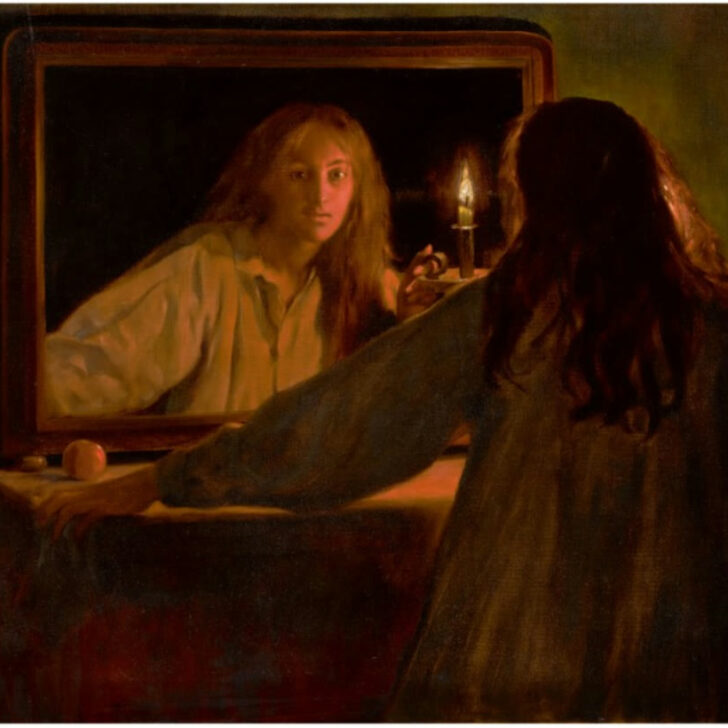
The old Irish Halloween games, from snap apple and apple ducking to burning two named nuts on the fire, the blindfold saucers of water, clay and a ring, egg whites in water, the apple and the mirror at midnight, the wet shirt by the fire and the mischief-night pranks, grounded in the 1930s Schools’ Collection, Vallancey’s 1783 account and Maclise’s Snap-Apple Night, with tips for playing the safe ones with your family today.

Read More about Irish Halloween Games: Snap Apple, Burning Nuts and the Old Spells to See Your Future Spouse

Bram Stoker: The Bedridden Dublin Boy Who Grew Up to Write Dracula

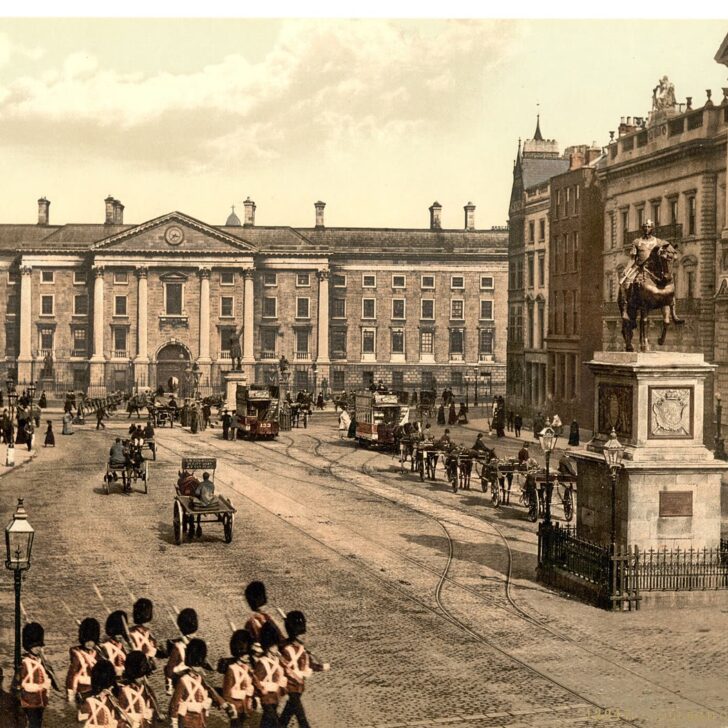
Bram Stoker couldn’t stand until he was about seven, became athletics champion of Dublin University, spent over a decade in the civil service at Dublin Castle and reviewed plays unpaid for a paper half-owned by Sheridan Le Fanu before he left for London and wrote Dracula. Here is his Irish life, his mother’s Sligo cholera account, The Snake’s Pass and a lost 1890 ghost story, what his Dracula notes actually prove, which Irish influences are documented (Carmilla) and which are lore (Abhartach, St Michan’s), and where to follow him in Dublin, including the 2026 Bram Stoker Festival.

Read More about Bram Stoker: The Bedridden Dublin Boy Who Grew Up to Write Dracula

Stingy Jack: The Irishman Who Tricked the Devil and Gave the Jack-o’-Lantern Its Name

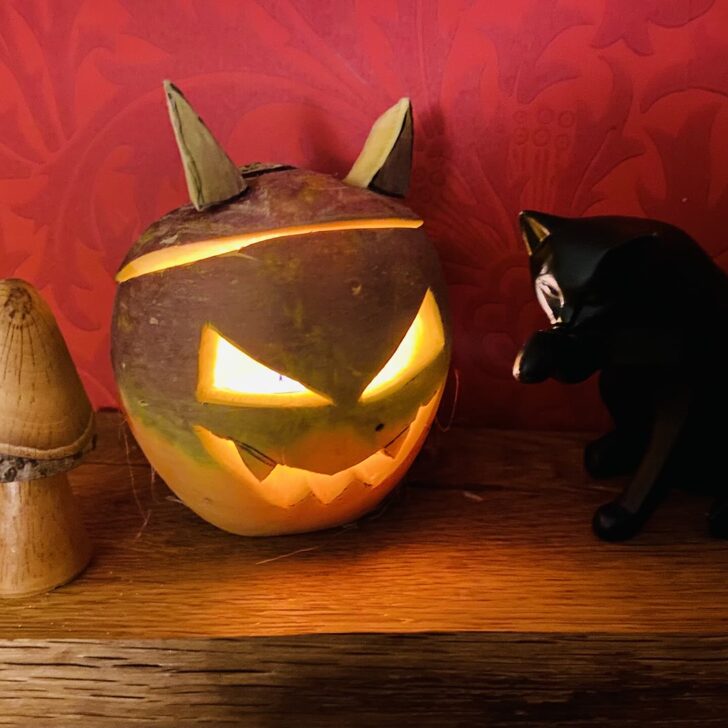
Stingy Jack outwitted the Devil and ended up shut out of Heaven and Hell, wandering with a light. Here is the 1836 Dublin Penny Journal tale, an 1851 poem that calls him Stingy Jack, the many county versions in the 1930s Schools’ Collection, why jack-o’-lantern was a name for a bog light long before a carved lantern, what the records really say about Irish turnip lanterns, how the pumpkin took over in America, and how to carve a turnip lantern safely.

Read More about Stingy Jack: The Irishman Who Tricked the Devil and Gave the Jack-o’-Lantern Its Name

Samhain: The Night the Fairy Mounds Opened and How It Became Halloween

Samhain (SOW-in) is the old Irish festival that began winter on 1 November, and still the Irish word for November. Here’s how to say it, what the medieval tales say (the Ulster Samhain gathering, the Feast of Tara, Nera and the open fairy mounds), where the ‘Celtic new year’ and ‘thin veil’ ideas come from, how All Saints and All Souls met Samhain in Ireland’s own church calendars, the customs the Schools’ Collection recorded, and how Samhain is kept today.

Read More about Samhain: The Night the Fairy Mounds Opened and How It Became Halloween

The Táin: How a Royal Bedtime Row Over a Bull Started Ireland’s Greatest Epic

The Táin Bó Cúailnge, the Cattle Raid of Cooley, is the great epic of Ireland’s Ulster Cycle. Here it is retold from the early translations: Medb and Ailill’s pillow talk at Cruachan, the White-horned and the Brown Bull, Macha’s curse on the Ulstermen, teenage Cú Chulainn holding the fords all winter, his tragic fight with his foster-brother Ferdiad, and the bulls’ last battle. Plus how old the Táin really is, which translation to read, and the places you can still visit in Roscommon, Louth and Armagh.

Read More about The Táin: How a Royal Bedtime Row Over a Bull Started Ireland’s Greatest Epic

Hy-Brasil: The Phantom Island Off Ireland That Mapmakers Drew for 500 Years

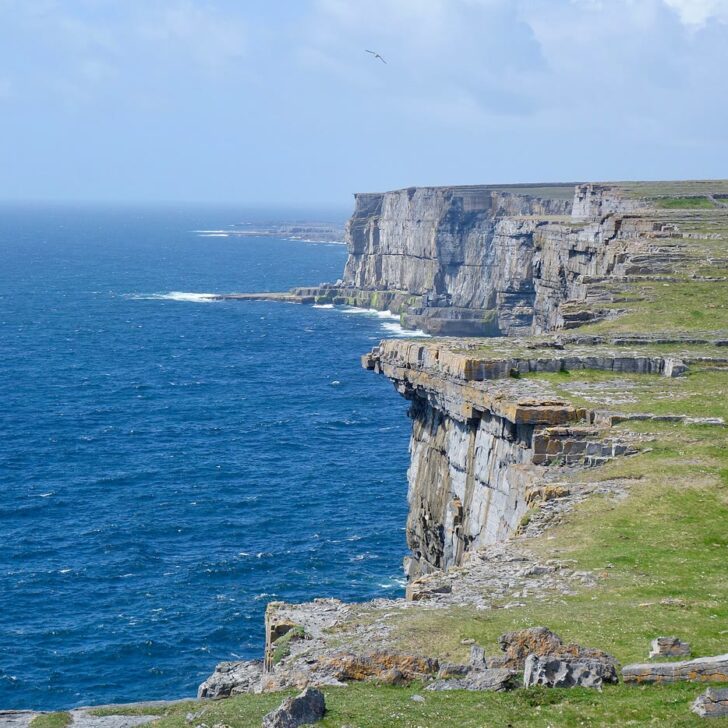
Hy-Brasil, Í Bhreasail in Irish, is the phantom island said to rise off Ireland’s west coast once every seven years. Here’s the real story: the round island on sea charts from about 1330, the Bristol voyages of 1480 and 1481, a Connemara man’s magic book, the 1675 O-Brazile hoax, the debate over the name (it didn’t name Brazil), how it faded from the maps, mirages, and the baseless Rendlesham ‘binary code’ claim.

Read More about Hy-Brasil: The Phantom Island Off Ireland That Mapmakers Drew for 500 Years

The Blarney Stone: Why People Lean Backwards Over a Castle Wall to Kiss It

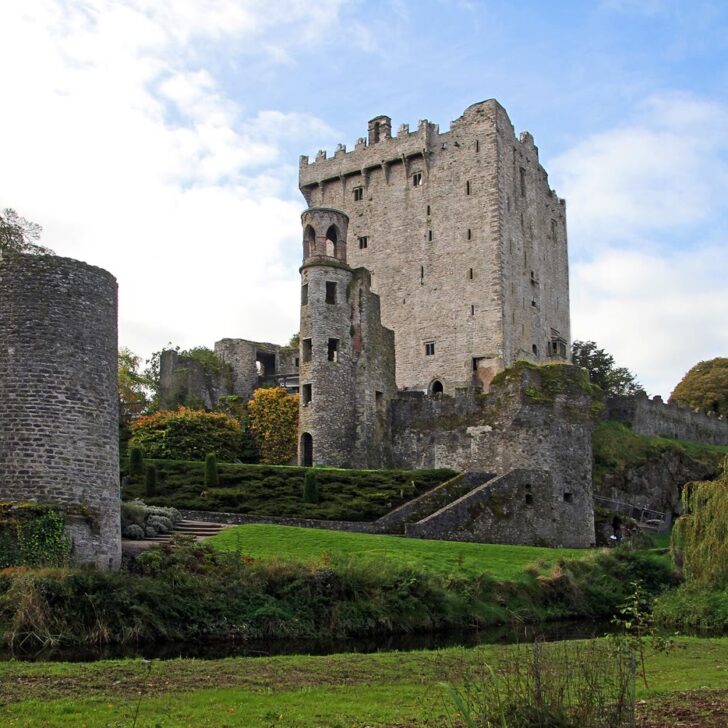
The Blarney Stone at Blarney Castle, Co. Cork, is said to give anyone who kisses it the gift of the gab. Here’s how the kiss works, why early writers disagreed about which stone it is, the legends of a witch, a fairy queen and Robert the Bruce, what an old geology slide revealed, where the word blarney really comes from, the Rock Close and Poison Garden, and tips for visiting.

Read More about The Blarney Stone: Why People Lean Backwards Over a Castle Wall to Kiss It