Skip to Content

The St Patrick Snakes Legend: Ireland Never Had Any. So Where Did the Story Come From?

Ireland never had snakes for St Patrick to banish. Here’s why the island is snake-free, which ancient writers noticed it first, how a 12th-century monk gave Patrick the credit on Croagh Patrick, Mayo’s folklore of serpent lakes, what the snakes might symbolise, Ireland’s only native reptile, and why the legend became an American favourite.
Read More about The St Patrick Snakes Legend: Ireland Never Had Any. So Where Did the Story Come From?

Croagh Patrick: Ireland’s Holy Mountain, Where Pilgrims Still Climb Barefoot

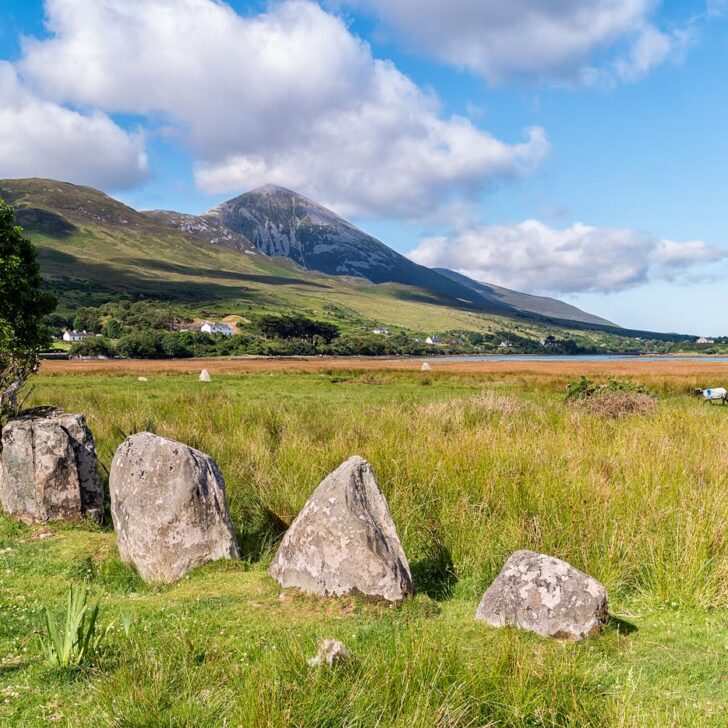
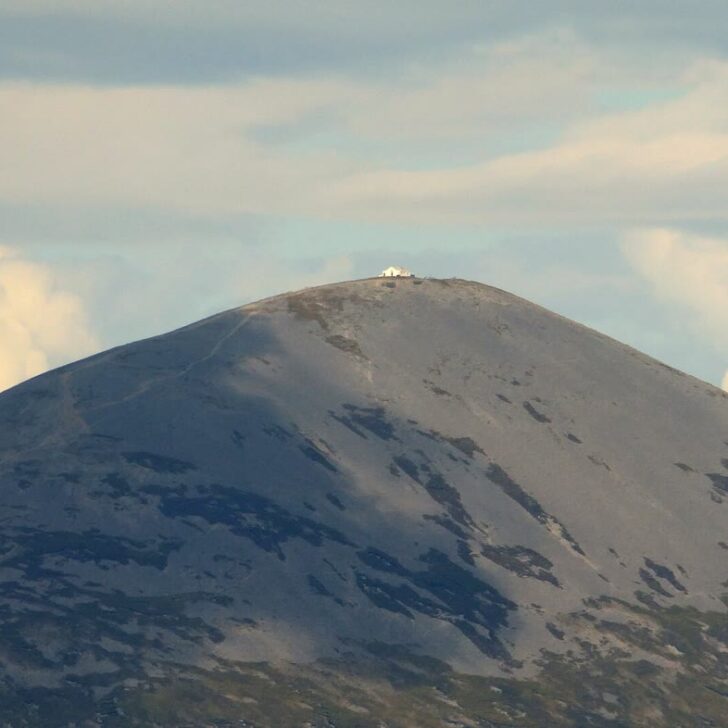
Croagh Patrick, the Reek, is Ireland’s holy mountain. Here’s St Patrick’s 40-day fast as Tírechán and the Tripartite Life tell it, where the snake legend really comes from, Reek Sunday from 1113 to today, the three stations and the Black Bell, the Lughnasa theory, what archaeologists found on the summit, the 1980s fight over gold, the Famine memorial at Murrisk and practical advice for the climb.

Read More about Croagh Patrick: Ireland’s Holy Mountain, Where Pilgrims Still Climb Barefoot

Glendalough: The Hermit Saint, a Blackbird and Ireland’s Valley of Two Lakes

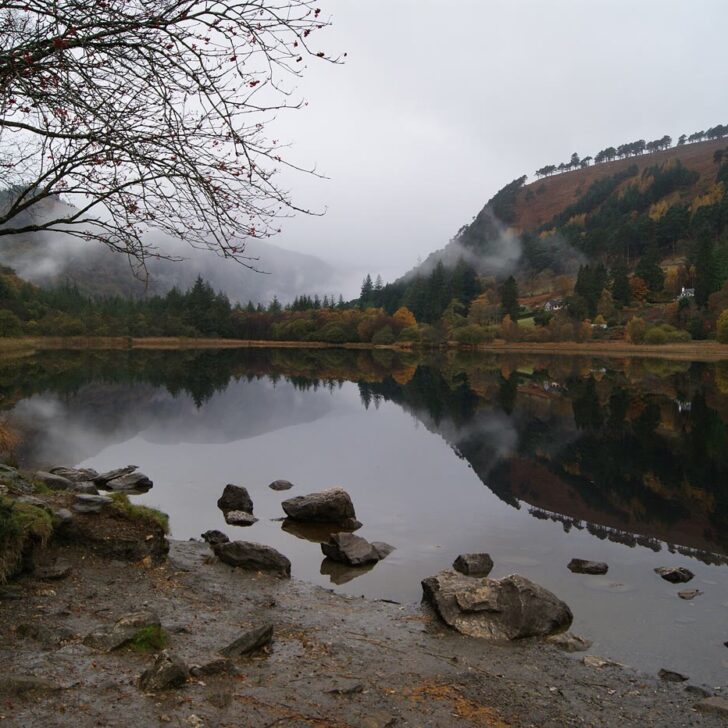
Glendalough, the glen of two lakes in Co. Wicklow, is where St Kevin lived as a hermit and founded one of Ireland’s great monasteries. Here are his legends (the blackbird, the angel who offered to flatten the mountains, Kathleen and the lake), the round tower and monastic city, the Viking raids, the 1214 merger with Dublin, the Spinc and Miners’ Village walks, and practical tips for visiting.

Read More about Glendalough: The Hermit Saint, a Blackbird and Ireland’s Valley of Two Lakes

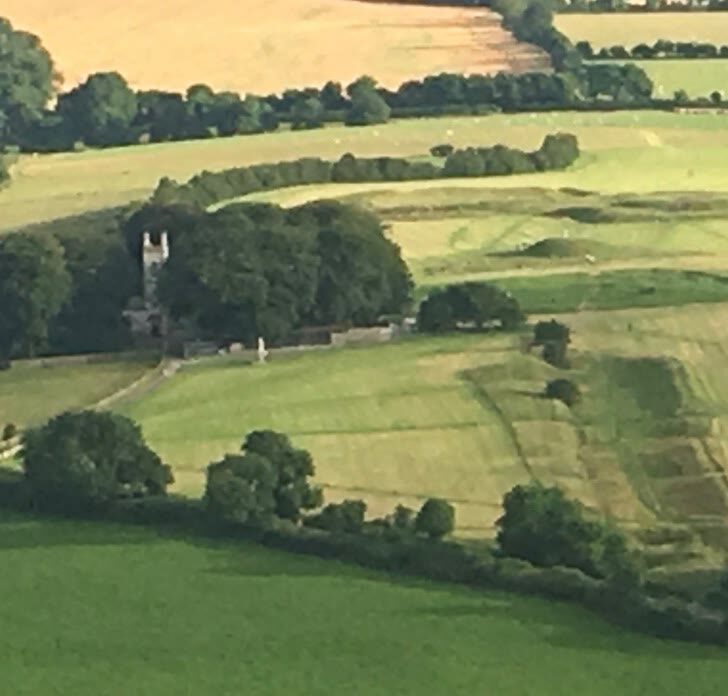
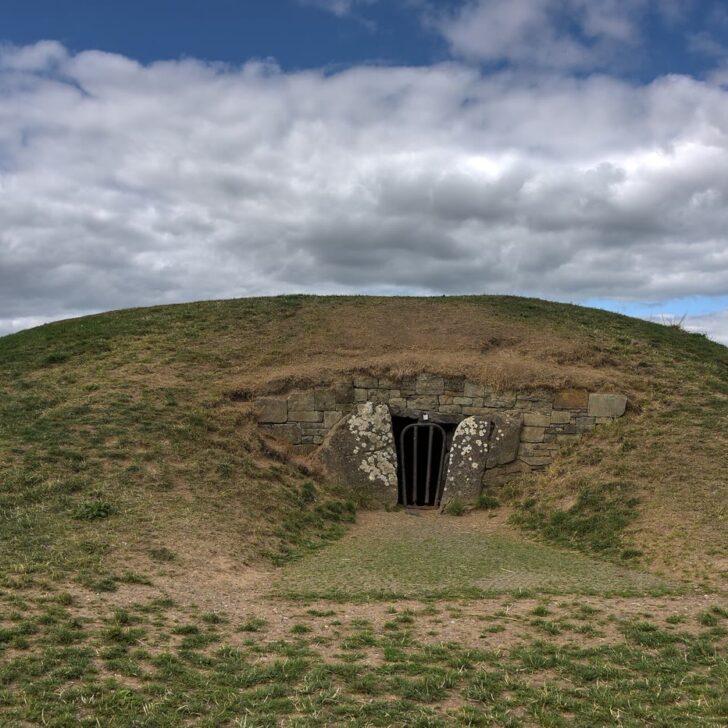
The Hill of Tara: Ireland’s Hill of Kings, a Roaring Stone and a Hunt for the Ark

The Hill of Tara in Co. Meath is remembered as the seat of Ireland’s high kings. Here’s what’s really on the hill, from the 5,000-year-old Mound of the Hostages to the Lia Fáil, the stone said to roar under a true king, plus the Feast of Tara, St Patrick’s Easter fire, O’Connell’s 1843 monster meeting, the men who dug for the Ark of the Covenant, the M3 motorway row and how to visit for free.

Read More about The Hill of Tara: Ireland’s Hill of Kings, a Roaring Stone and a Hunt for the Ark

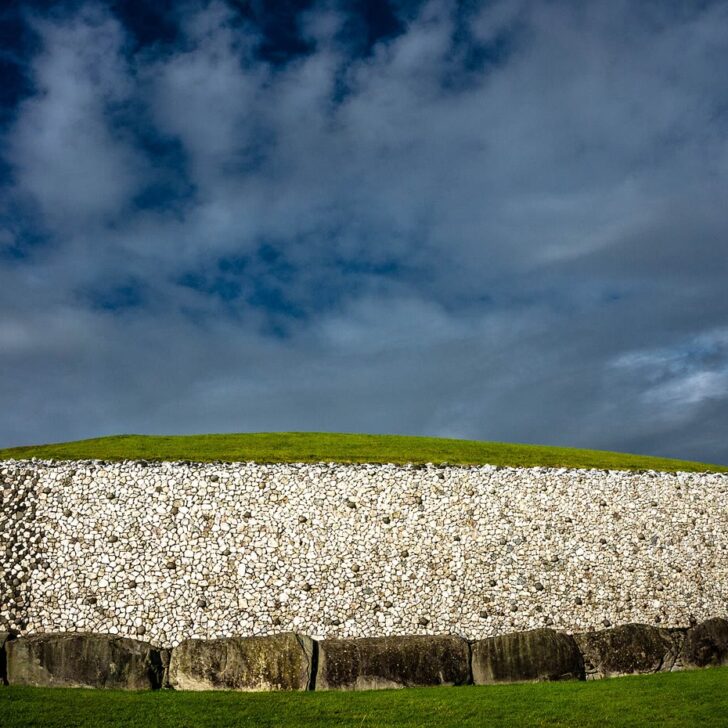
Newgrange: The Irish Tomb Older Than Stonehenge and the Pyramids

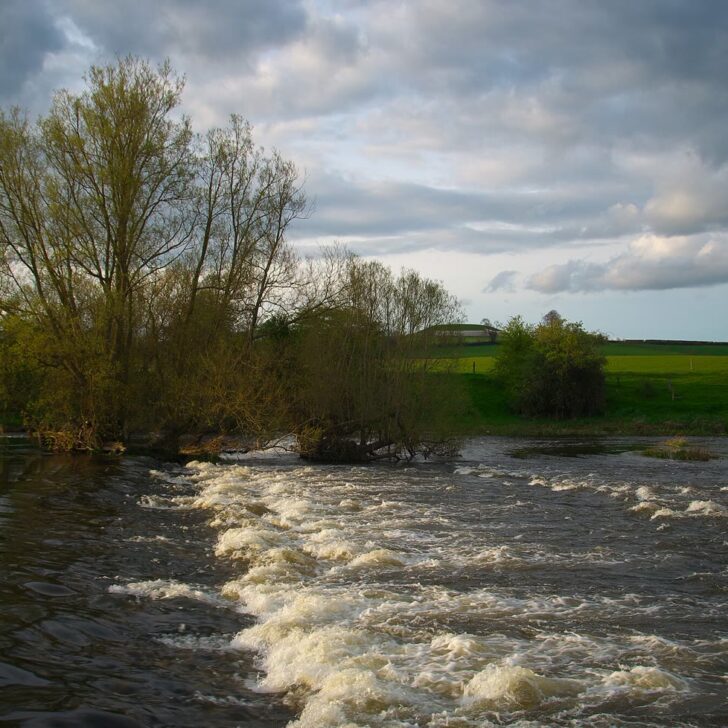
Newgrange was built around 3200 BC, centuries before the Great Pyramid and Stonehenge’s stone circle. Here’s the passage tomb inside and out: the triple spiral, the solstice roof-box and its 1967 rediscovery, the disputed quartz wall, Knowth and Dowth, the legends of the Dagda and Aengus Óg, and how to visit Brú na Bóinne.

Read More about Newgrange: The Irish Tomb Older Than Stonehenge and the Pyramids

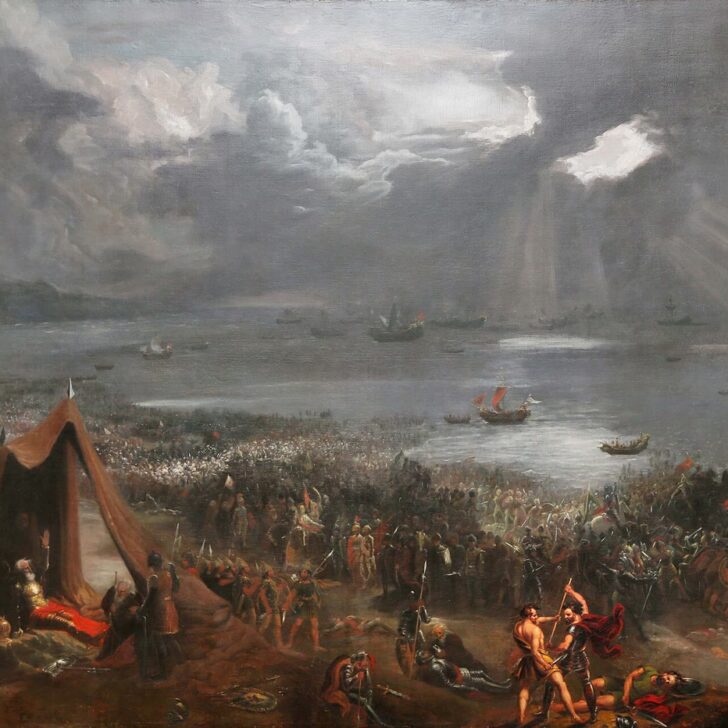
Brian Boru: The High King Who Died at Clontarf on the Day His Army Won

Brian Boru rose from the Dál gCais of east Clare to become king of Munster and, in 1002, high king of Ireland, hailed in the Book of Armagh as “emperor of the Irish”. Here’s how he rose, what happened at the Battle of Clontarf on Good Friday 1014, who really fought there (not simply Irish versus Vikings), the three versions of his death and the banshee’s warning, the O’Brien propaganda of Cogad Gáedel re Gallaib, the O’Brien surname, how to say Brian Bóramha, and the truth about the Brian Boru harp.

Read More about Brian Boru: The High King Who Died at Clontarf on the Day His Army Won

Niall of the Nine Hostages: The King Who Kissed a Hag, and the 3 Million DNA Claim

Niall of the Nine Hostages is the legendary king of Tara behind the Uí Néill, the O’Neills and the O’Donnells. Here’s how medieval writers explained his nine hostages, the tale of the hag at the well who turns out to be Sovereignty, his sons and the surnames claimed from them, and what the 2006 Trinity College Dublin DNA study and the famous 3 million descendants claim really show, plus how to say Niall Noígíallach.

Read More about Niall of the Nine Hostages: The King Who Kissed a Hag, and the 3 Million DNA Claim

Fairy Forts and Fairy Trees: The Irish Places You Never Disturb

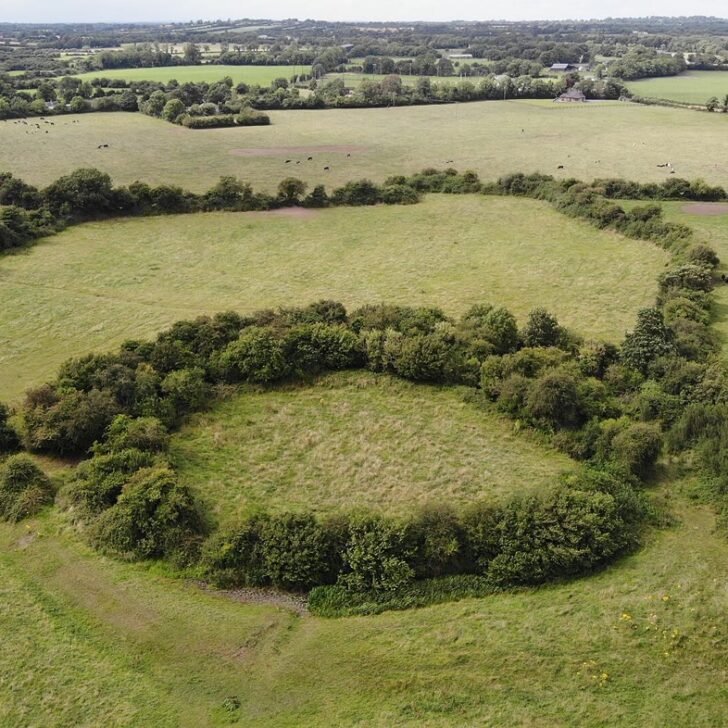
Fairy forts are usually the round banks of early medieval ringforts, about 45,000 of which were built across Ireland. Here’s what they really were, why folklore gave them to the aos sí, the taboos recorded in the Schools’ Collection, lone hawthorn fairy trees, the Latoon fairy bush and the Ennis bypass, the DeLorean legend, rag trees, the law, and how to say lios, ráth and sí.

Read More about Fairy Forts and Fairy Trees: The Irish Places You Never Disturb

The Salmon of Knowledge: How One Burnt Thumb Made Fionn mac Cumhaill a Legend

The Salmon of Knowledge is the Irish legend of how young Fionn mac Cumhaill burned his thumb cooking a magic salmon from the River Boyne and won all its wisdom. Here’s the story retold from the medieval Irish text, plus Fionn’s hidden boyhood, the poet Finnegas, the thumb of knowledge, the Fianna, how he became the giant of the Giant’s Causeway, and how to pronounce Fionn mac Cumhaill.

Read More about The Salmon of Knowledge: How One Burnt Thumb Made Fionn mac Cumhaill a Legend

Tír na nÓg: The Irish Legend of Oisín, Niamh and 300 Lost Years

Tír na nÓg, the Land of Youth, is the Irish Otherworld where nobody grows old. Here’s the legend of Oisín and Niamh of the Golden Head, retold from the 18th-century Irish poem: the white horse, 300 years over the sea, the stone in Glenasmole and the meeting with St Patrick, plus the much older Otherworld tales behind it, where the versions differ and how to pronounce Tír na nÓg and Oisín.

Read More about Tír na nÓg: The Irish Legend of Oisín, Niamh and 300 Lost Years

Diarmuid and Gráinne: Ireland’s Great Runaway Love Story

Gráinne was promised to the ageing Fionn mac Cumhaill, but at the feast at Tara she drugged the guests and bound the young warrior Diarmuid to run away with her. Here’s the whole legend of Diarmuid and Gráinne: the geis, the love spot, the long pursuit, the dolmens called their beds, the boar of Ben Bulben, how old the story really is, and how it compares with Tristan and Iseult.

Read More about Diarmuid and Gráinne: Ireland’s Great Runaway Love Story

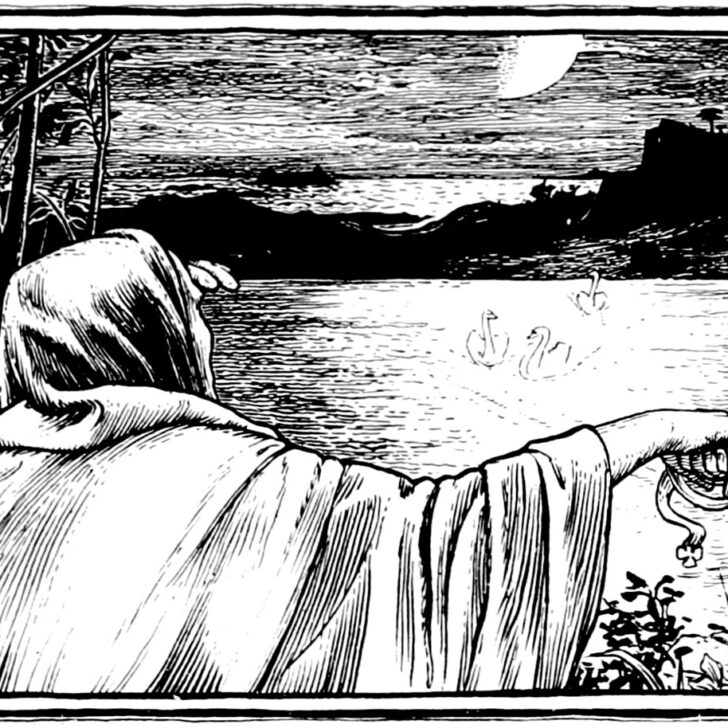
The Children of Lir: The Irish Legend of Four Swans and 900 Years

In the Children of Lir, a jealous stepmother turns four children into swans for 900 years. Here’s the legend retold from the Irish text, from Lough Derravaragh to the Sea of Moyle and Erris, plus the bell and the ending, how old the story really is, where the versions differ, Irish swan folklore, the children’s names and the sculpture in Dublin’s Garden of Remembrance.

Read More about The Children of Lir: The Irish Legend of Four Swans and 900 Years

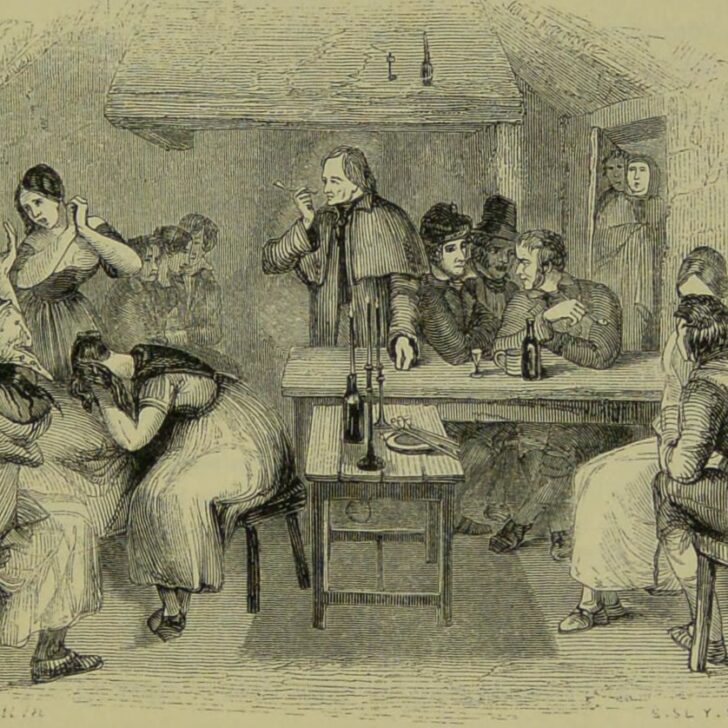
Irish Wake and Funeral Traditions: Keening, Clay Pipes and What to Say

Before funeral homes, the Irish waked their dead at home: the clock stopped, a window opened, keening women lamented, and callers got clay pipes, snuff and sometimes games. Here’s what the old accounts say, how the funeral and the month’s mind work, what survives today, what to say (including Ar dheis Dé go raibh a anam), how to read an RIP.ie death notice, the robin belief, and why November belongs to the dead.

Read More about Irish Wake and Funeral Traditions: Keening, Clay Pipes and What to Say

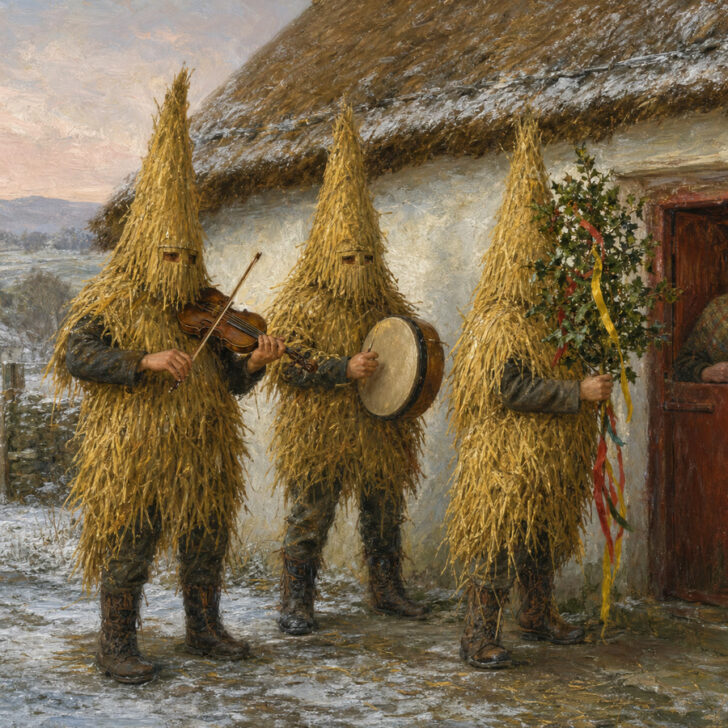
Wren Day: The Irish Tradition of Straw Suits, Wren Boys and the King of All Birds

On 26 December, masked figures in straw once knocked on Irish doors with a rhyme about a tiny bird. Here’s the story of Wren Day: how to say Lá an Dreoilín, the old hunt and today’s fake wren, the rhyme, the three legends, and where you can still see the wren boys parade.

Read More about Wren Day: The Irish Tradition of Straw Suits, Wren Boys and the King of All Birds