We didn't find any posts for your search term.
Latest Posts
Real Irish house blessings for a new home, in English and Irish with pronunciations, and the moving-in customs Irish schoolchildren recorded in the 1930s: salt and holy water first, bread and a sod of turf, a Brigid’s cross and a horseshoe over the door, and ‘Saturday flit, short sit’. Plus where the bread, salt and wine blessing first appears (It’s a Wonderful Life, 1946) and why ‘Bless the four corners of this house’ is an American poem.
Read More about Irish House Blessing: New Home Blessings, Housewarming Customs and Where ‘Bread, Salt and Wine’ Comes From
Good luck in Irish is ádh mór (great luck) or go n-éirí leat (may it go well with you), the same verb hiding in ‘May the road rise up to meet you’. Here are 30 ways to wish someone luck: 24 in Irish for exams, the Leaving Cert, interviews, new jobs, journeys and match days, each with its literal meaning and pronunciation, plus six popular English ‘Irish blessings’ marked genuine or modern, and the real Irish folklore of magpies, horseshoes and the four-leaf clover.
Read More about Good Luck in Irish: Ádh Mór, Go nÉirí Leat and 30 Ways to Wish Someone Luck
Thank you in Irish is go raibh maith agat, literally “may there be good at you”. Here’s how to say it to one person or a group, the bigger go raibh míle maith agat and míle buíochas, how to say thank you for something, the replies (tá fáilte romhat, ná habair é, go ndéana a mhaith duit), Munster, Connacht and Ulster pronunciations, how the Irish say thanks in English, thank-you card wording and Happy Thanksgiving in Irish.
Read More about Thank You in Irish: How to Say Go Raibh Maith Agat (and What It Really Means)
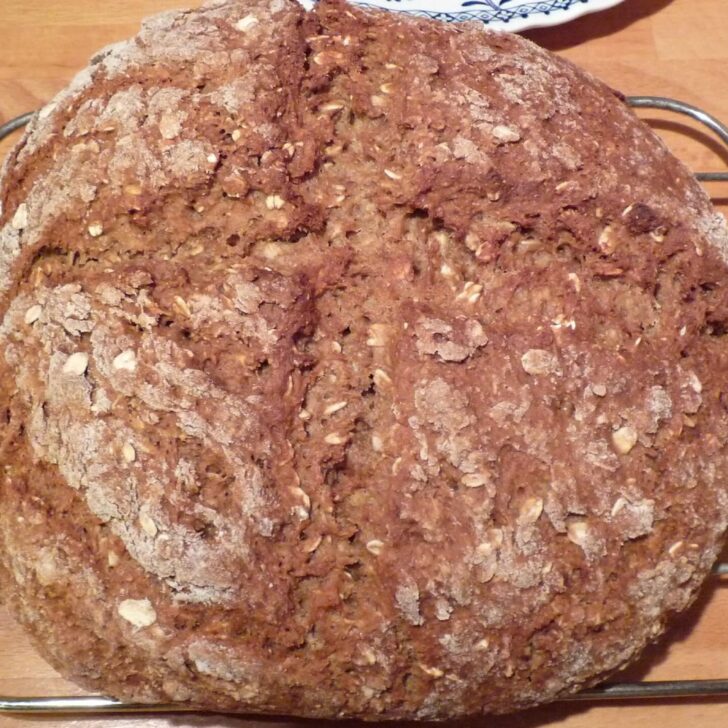
A proper Irish brown bread recipe, in metric and US cups: a tin-baked wholemeal soda loaf with coarse wholemeal, oats, wheat bran, wheat germ, buttermilk and an optional spoonful of treacle, with no yeast and no kneading. Plus US flour swaps (Irish-style flour, or whole wheat plus bran), a full Guinness and treacle brown bread, bread machine and freezing notes, the Northern Irish name ‘wheaten’, 1930s Schools’ Collection accounts of home baking, the Emergency’s ‘black bread’ and the Irish words for it all.
Read More about Irish Brown Bread Recipe: The No-Yeast Wholemeal Loaf (Plus a Guinness and Treacle Version)
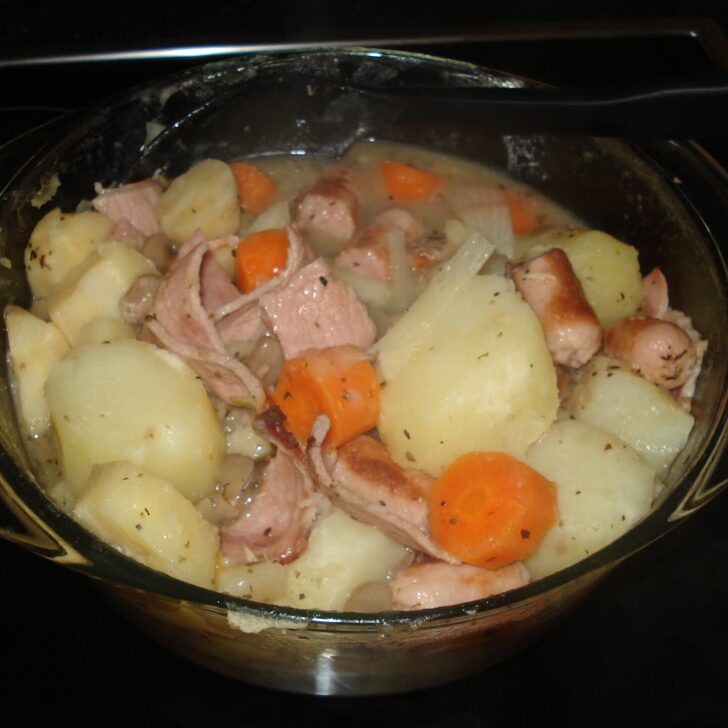
A proper Dublin coddle recipe in metric and US measures: pork sausages, back rashers, onions and potatoes simmered gently with parsley, plus browned, oven, slow cooker and Dutch oven versions. Then the white, brown and black coddle argument, the disputed carrots, barley and cabbage, where the word coddle comes from, the tenement and Saturday-night history (including a 1980 Ringsend memory of coddle as a treat), and what’s really true about Swift, O’Casey and Joyce.
Read More about Dublin Coddle Recipe: The Saturday-Night Sausage Stew of Old Dublin
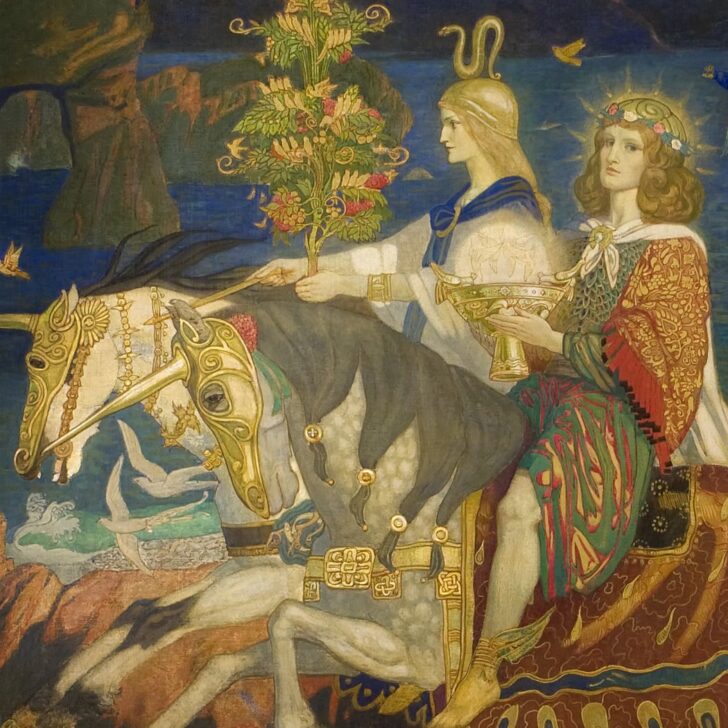
Irish mythology in one place: what it is, the four cycles (Mythological, Ulster, Fenian and Kings), the Book of Invasions, 20 of the best stories from the Children of Lir and the Táin to Oisín in Tír na nÓg and Mad Sweeney, the medieval manuscripts they survive in, free translations by Lady Gregory and Kuno Meyer, the best stories for kids, and how Irish myth differs from ‘Celtic’ myth.
Read More about Irish Mythology: The Four Cycles, the Best Stories and Where to Start
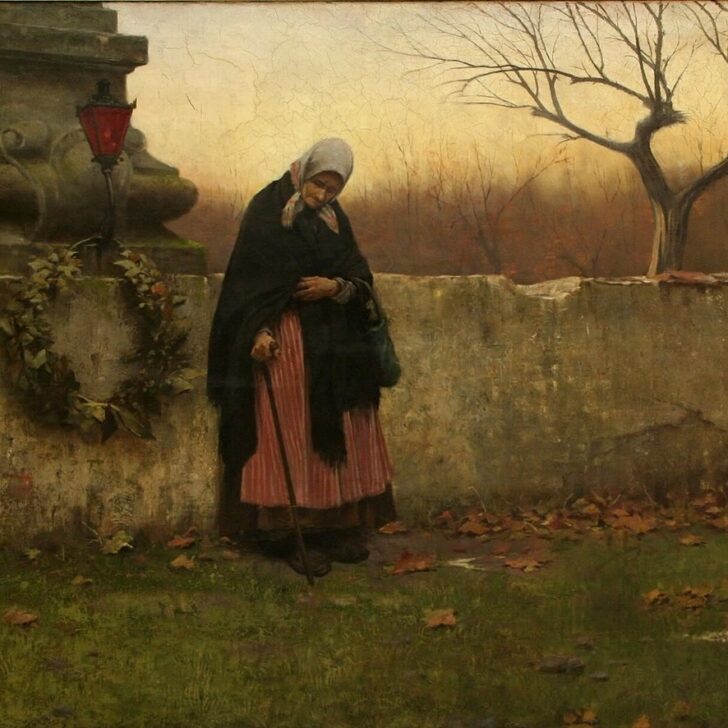
All Souls’ Day, 2 November, is the day Catholics pray for all the dead, and in Ireland the whole of November belongs to the Holy Souls. Here’s All Saints versus All Souls, where the feast came from (including Clonmacnoise’s ‘a prayer for’ grave slabs), the November list of the dead, blessing the graves, the plenary indulgence explained, the 1930s customs of the unlocked door, the laid table and the candle in the window, the truth about the ‘salt and water’ tradition, and prayers for the dead in Irish.
Read More about All Souls’ Day in Ireland: The Holy Souls, the Unlocked Door and Why November Is the Month of the Dead
The real Irish names for grandma and grandpa: Mamó, Móraí, seanmháthair, Daideo and seanathair, with dictionary-checked pronunciations, regional notes, the English names Irish families use, words for great-grandparents and grandchildren, card wording in Irish, and the “Gaelic grandma names” on gift sites that are really Welsh, Scottish or misspelled.
Read More about Irish Names for Grandma and Grandpa: Mamó, Móraí, Daideo and More (With Pronunciation)
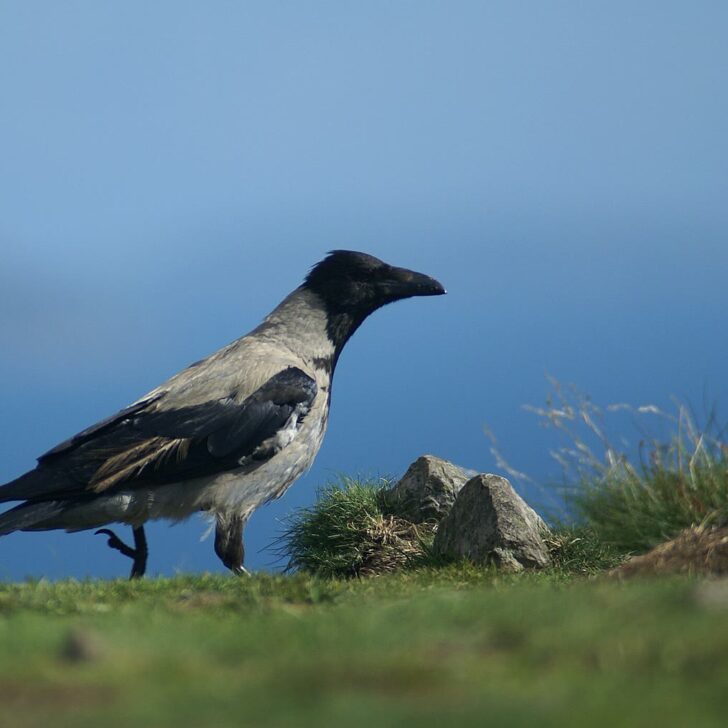
The Morrígan is the war goddess of medieval Irish myth, a shape-shifting prophet of battle and death. Here’s what her name means and how to say it, her sisters Badb, Macha and Nemain, her Samhain meeting with the Dagda at the Unshin, her clashes with Cú Chulainn in the Táin, the bird on his shoulder and Sheppard’s statue in the GPO, her cave at Rathcroghan, her real symbols and tattoo ideas, and what’s modern, from the maiden-mother-crone triple goddess to horror films.
Read More about The Morrígan: Ireland’s Phantom Queen of War, Crows and Fate
Ireland had only a handful of witch trials. Here is the real history: Dame Alice Kyteler and the demon Robin son of Art (1324), Petronilla of Meath, burned on 3 November 1324, Florence Newton of Youghal (1661), Goody Glover in Boston (1688), the Islandmagee witches (1711), why Ireland had so few trials, the butter-stealing hare-witch of folklore, and Biddy Early, who was never convicted of anything.
Read More about Irish Witches: Alice Kyteler, the Islandmagee Trial and Ireland’s Real Witch History
Old Irish curses were wishes of real harm, not swear words. Here are the bardic satires said to raise blisters, the widow’s and priest’s curses from the 1930s Schools’ Collection, the cursing stones of Killinagh and Inishmurray, a dozen real curses in Irish with pronunciations (and the truth about ‘may the cat eat you’), and the legend of the 1951 Mayo curse, laid to rest by Mayo’s All-Ireland win in July 2026.
Read More about Old Irish Curses: Cursing Stones, the Widow’s Curse and ‘May the Cat Eat You’
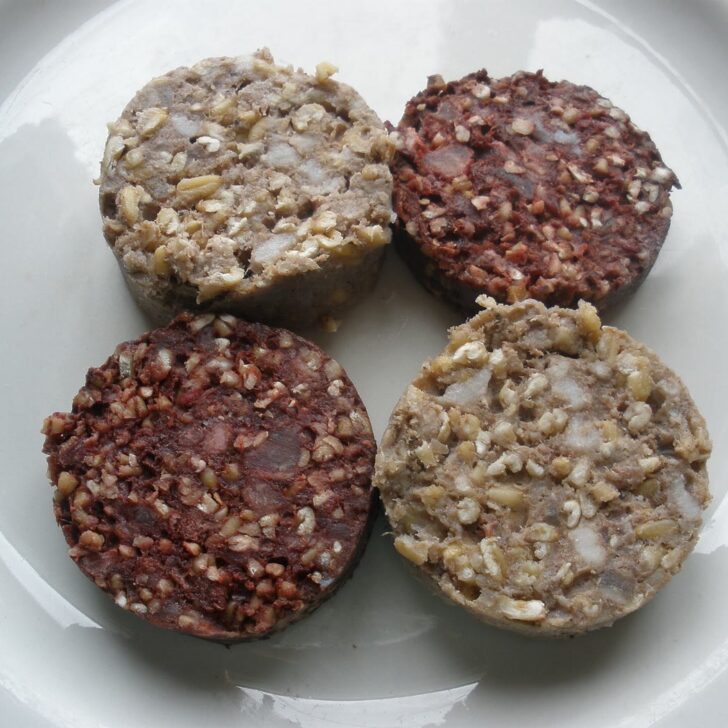
What is black pudding? Ireland’s blood sausage explained: what goes into it (pig’s or beef blood, fat, oatmeal, onion and spices), how it tastes, how white pudding and Cork’s drisheen differ, the history from a medieval Irish satire to the pig killing and the 2011 state dinner, the story of Clonakilty, Irish vs British puddings such as Stornoway, why Irish brands are hard to find in the US (and why it isn’t banned there), and how to cook it in a pan, oven or air fryer, with a seared scallop, black pudding and apple recipe.
Read More about What Is Black Pudding? Ireland’s Blood Sausage, White Pudding and How to Cook Them
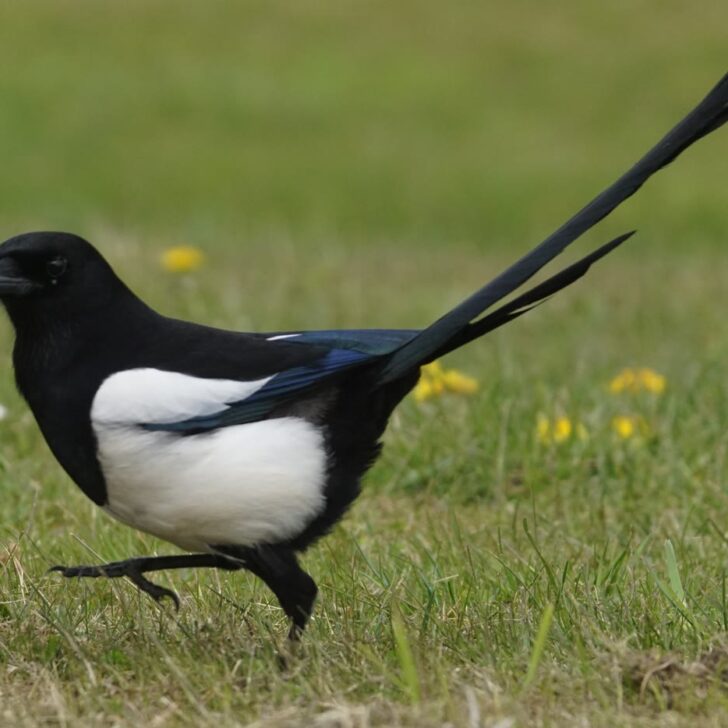
Forty Irish superstitions from the 1930s Schools’ Collection and Lady Wilde’s 1887 book, grouped by theme: death and wakes, robins and magpies, luck and money, May Eve, Halloween, weddings, New Year and the fairy thorn. Each is marked old Irish, shared with Britain, or a later import, and the magpie turns out to be a 17th-century arrival.
Read More about Irish Superstitions: 40 Old Beliefs About Luck, Death, Birds and the Fairies
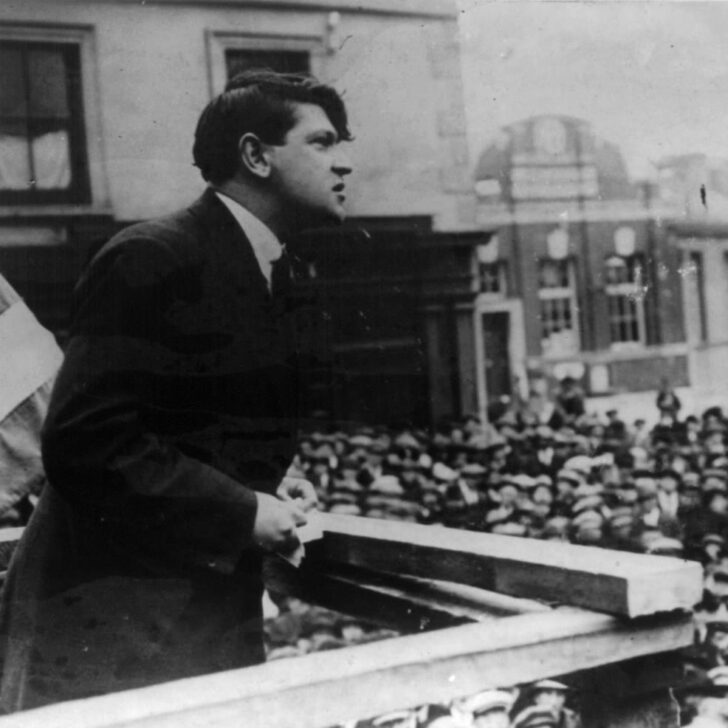
Michael Collins, the Big Fellow, was born at Woodfield near Clonakilty on 16 October 1890 and killed at Béal na Bláth on 22 August 1922, aged 31. Here is his life: the London post office clerk, the GPO and Frongoch, the Dáil Loan, the Squad and Bloody Sunday, the Treaty and the ‘death warrant’ line (checked), Kitty Kiernan, the Civil War, and the main theories about who fired the fatal shot, weighed against the evidence.
Read More about Michael Collins: The Big Fellow Who Helped Run a Revolution, Signed the Treaty and Died at 31
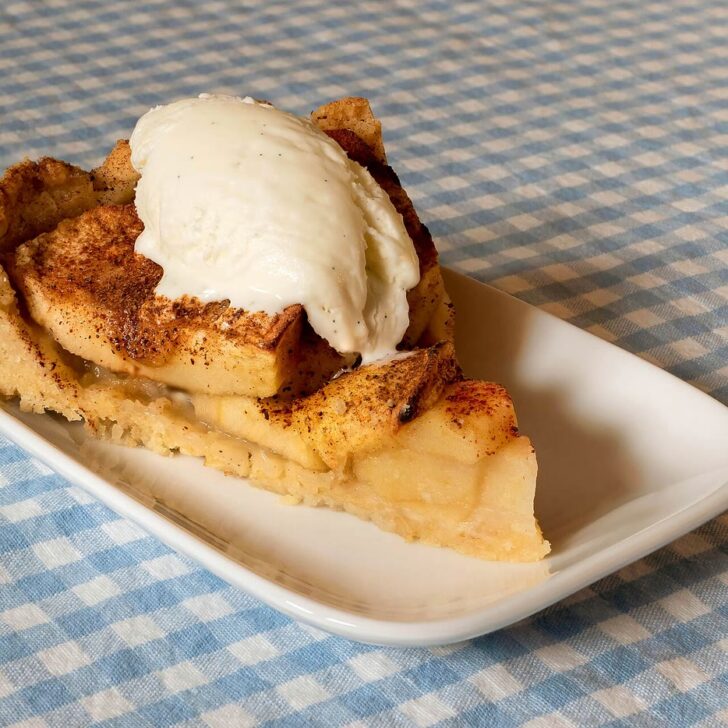
A proper Irish apple cake recipe in metric and US cups: a soft sponge baked around sharp Bramley apples, with a buttery crumble top and a real egg custard to pour over. Then Granny Smith swaps for US bakers, apple and blackberry, almond and gluten-free variations, storing and freezing, why the Bramley (an English apple whose first recorded sale fell on Halloween 1862) became the apple Irish bakers reach for, how Armagh became the Orchard County, the 1930s Halloween suppers where an apple cake hid a ring and a button, the apples of the Irish Otherworld, and the difference between an Irish apple tart, apple cake and apple crumble.
Read More about Irish Apple Cake Recipe: The Warm Bramley Bake You Drown in Custard